Today's briefing covers five significant developments from October 13, including Google's biggest frontier-model release, a fascinating distributed-database architecture, and new GPU optimizations for large language models.
The headline: Gemini 4 Argon is now publicly available. Meanwhile, Cloudflare has explained how it operates millions of isolated databases, and AWS has published concrete inference optimizations that are already being contributed to open-source infrastructure.
All five stories are new to this briefing series.
Google releases Gemini 4 Argon globally — with major coding and reasoning improvements
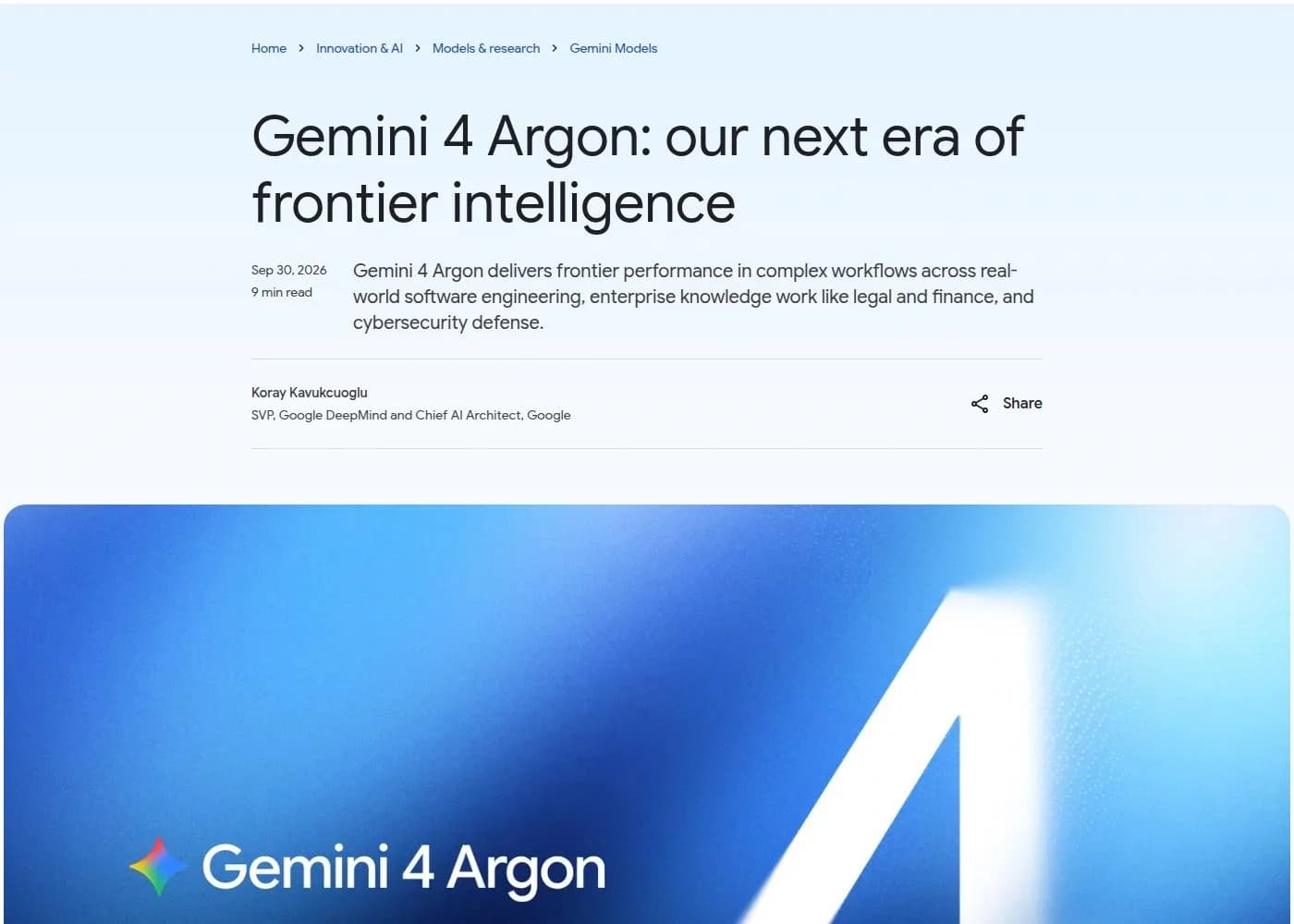 Related illustration — Gemini 4 Argon API 怎么用?价格、开放进度与 Gemini 实测 | SandBase Blog
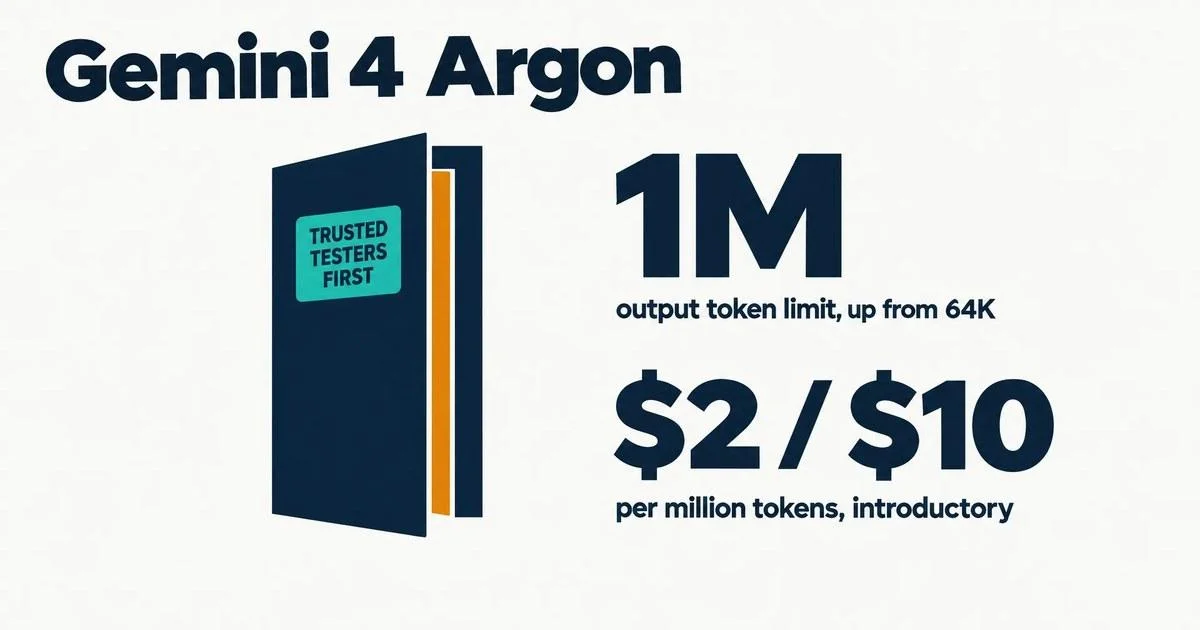 Related illustration — Gemini 4 Argon: Release, Price and Access | CellCog
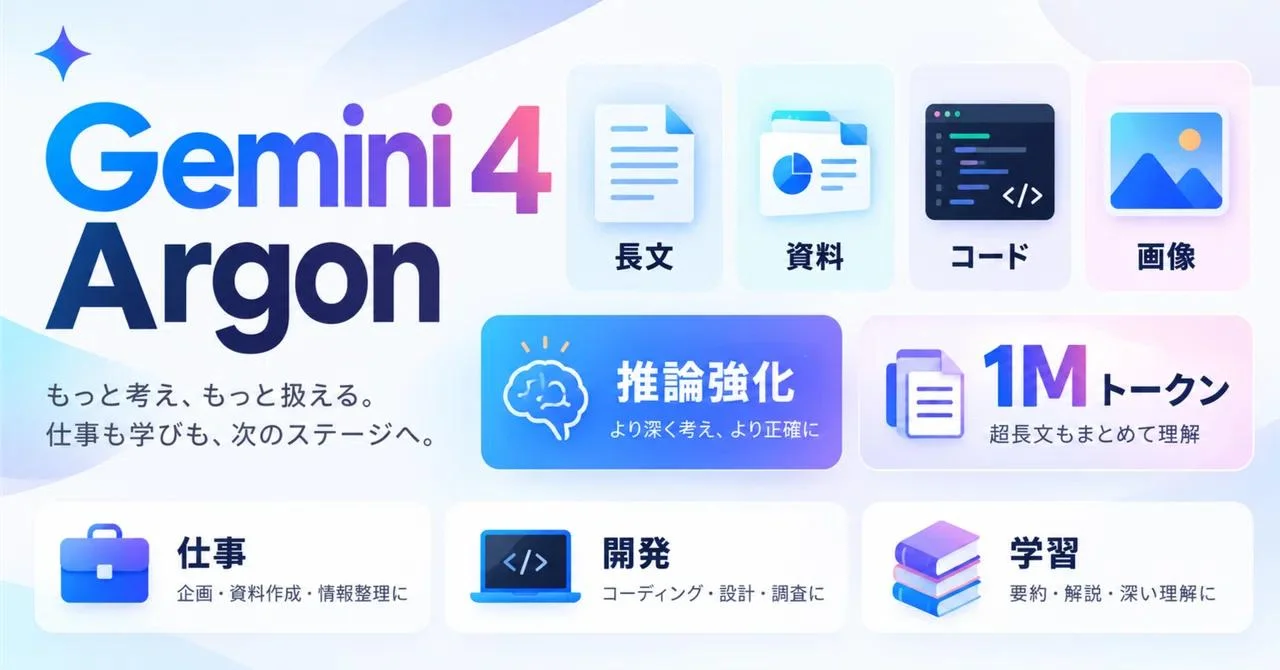 Related illustration — What is Gemini 4 Argon? What can it do? Differences from the previous model and recommended use cases|AI-Bridge Lab
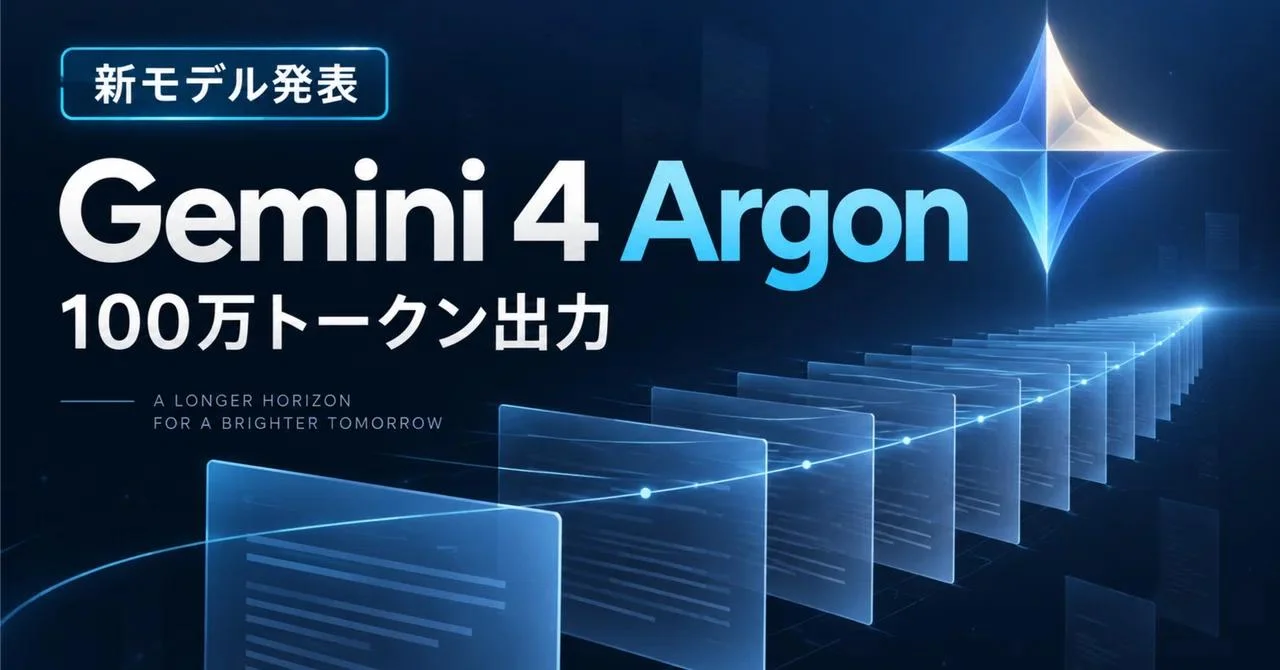 Related illustration — 最新AIのGemini 4 Argonの性能とそのユースケースについて解説!|icchi|データ分析・AI
Released: October 13, 2026
Google has made Gemini 4 Argon globally available through its API, AI Studio, Antigravity development environment, and supported Gemini subscriptions.
The model was initially announced on September 30 with restricted access. Yesterday's release opens it to developers and enterprises worldwide.
Google reports that Argon now ranks first on the Vals Index, which evaluates AI performance across economically important domains, including software engineering, finance, and law.
What's technically interesting?
Google is emphasizing long-horizon software engineering, particularly tasks involving large repositories, multiple tools, and extended execution.
Several internal engineering results are notable:
- 35% more agent-generated code submissions, alongside nearly one-third fewer rollbacks.
- 40% faster session preparation and 21% faster cold imports in Google's Agent Development Kit.
- 2.85× higher inference throughput for Gemma 4 E2B on A100 hardware after Argon-assisted optimization of vLLM.
- A large Chromium refactoring project involving hundreds of files completed in weeks rather than months.
These are Google-reported results from specific projects, not guarantees of equivalent improvements elsewhere.
API pricing
| Usage | Until November 30 | After November 30 |
|---|---|---|
| Input tokens | $2 / million | $4 / million |
| Output tokens | $10 / million | $20 / million |
| Cached input | 95% discount | Subject to standard pricing |
The API model identifier is gemini-4-argon.
Why it matters for developers
This introduces another serious contender for complex autonomous coding.
Rather than evaluating it on isolated code-generation questions, test it against complete engineering workflows:
Repository analysis → Architecture decisions → Implementation → Tests → Debugging → Verification
Engineering takeaway: benchmark Gemini 4 Argon against your existing coding models using actual repository tasks. Pay particular attention to architectural consistency, recovery from failed tests, and cost per successfully completed task.
Cloudflare reveals how D1 scales to millions of databases without centralized query bottlenecks
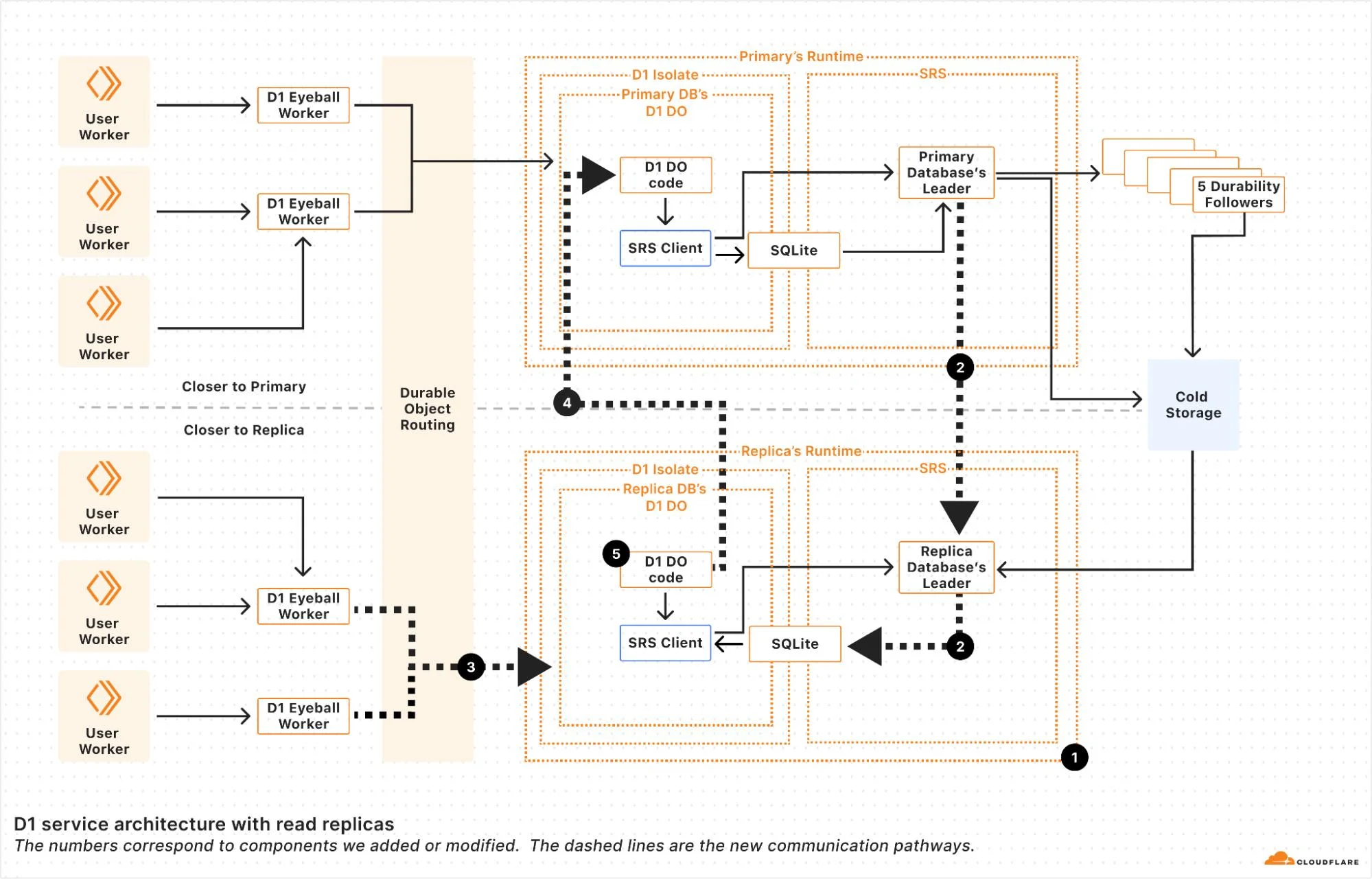
Published: October 13, 2026
Cloudflare has published a detailed engineering analysis explaining how its serverless SQLite database platform, D1, scales to millions of independently managed databases.
D1 has surpassed 5.5 million databases, with approximately 15× growth in existing databases and 18× growth in daily active databases over the past year.
The interesting part is how Cloudflare prevents that scale from overwhelming centralized infrastructure.
The architecture
D1 separates its infrastructure into three execution layers.
Data plane: Handles database queries close to users.
Control plane: Handles database creation, deletion, metadata, and administrative operations.
Asynchronous plane: Processes billing, analytics, and other eventually consistent operations.
Each database is backed by a SQLite Durable Object.
Cloudflare uses PostgreSQL for authoritative metadata, Workers KV for globally distributed routing information, and Hyperdrive for efficient connections to PostgreSQL.
The critical architectural principle is:
Centralized metadata must not become a dependency of every database query.
Instead:
Request → Edge Worker → Routing Metadata → Durable Object → SQLite
The central PostgreSQL cluster primarily supports management operations rather than participating in every query.
Failure recovery is particularly interesting
Database creation spans multiple systems, so Cloudflare cannot simply wrap everything in one PostgreSQL transaction.
Instead, it uses retryable operations and periodic heartbeats.
If a Durable Object is initialized but the metadata write fails, a retry can create another object. The orphaned object later discovers that it isn't registered in the authoritative database and marks itself deleted.
This produces a self-correcting system without requiring a distributed transaction across every component.
Why it matters for developers
This is an excellent case study in distributed systems and multi-tenant architecture.
The principles apply directly to SaaS platforms managing thousands of tenants, workspaces, databases, or isolated environments.
Engineering takeaway: separate latency-sensitive operations from administrative workflows. Use idempotent operations, asynchronous reconciliation, and distributed caches where appropriate, rather than forcing every request through a central control plane.
AWS publishes new Mixture-of-Experts GPU optimizations — up to 10% more throughput
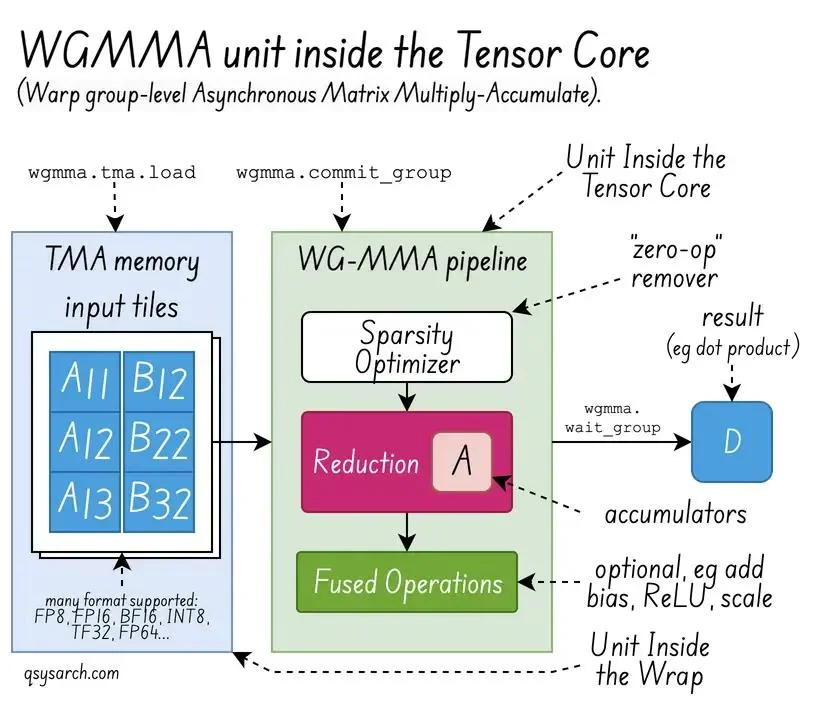 Related illustration — GPU Compiler Architecture: CUDA, Triton & DeepSeek · QSysArch - Quantum Computer System Architecture
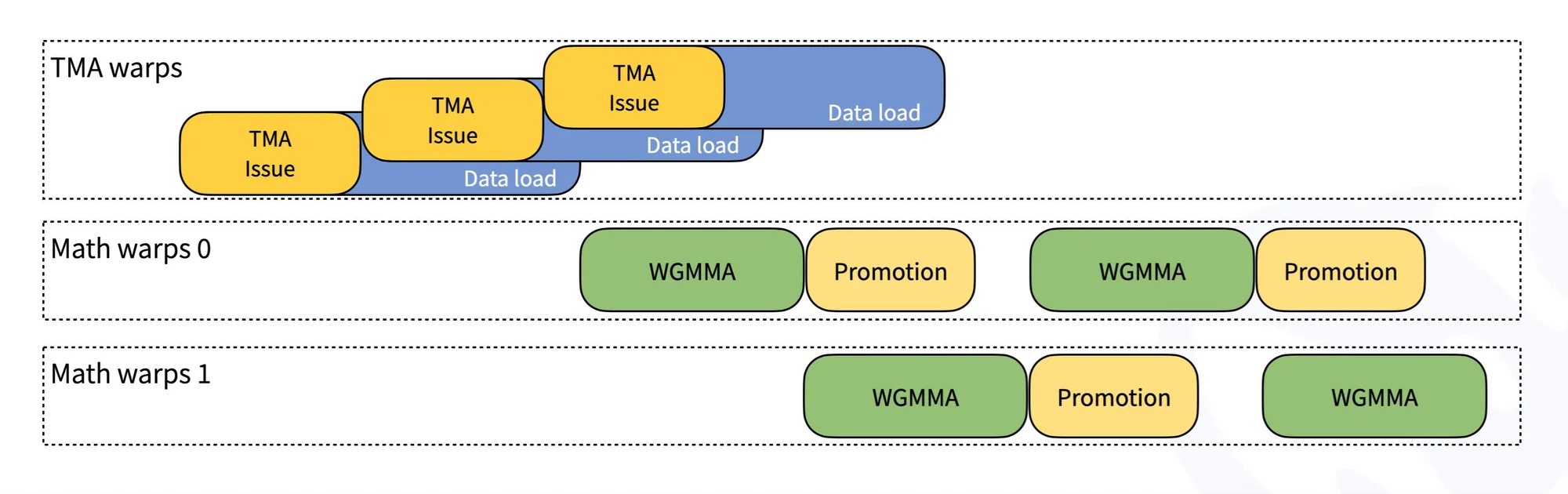 Related illustration — DeepSeek 开源周第三弹!DeepGEMM:FP8矩阵计算神器!JIT编译+Hopper架构优化,MoE性能飙升-阿里云开发者社区
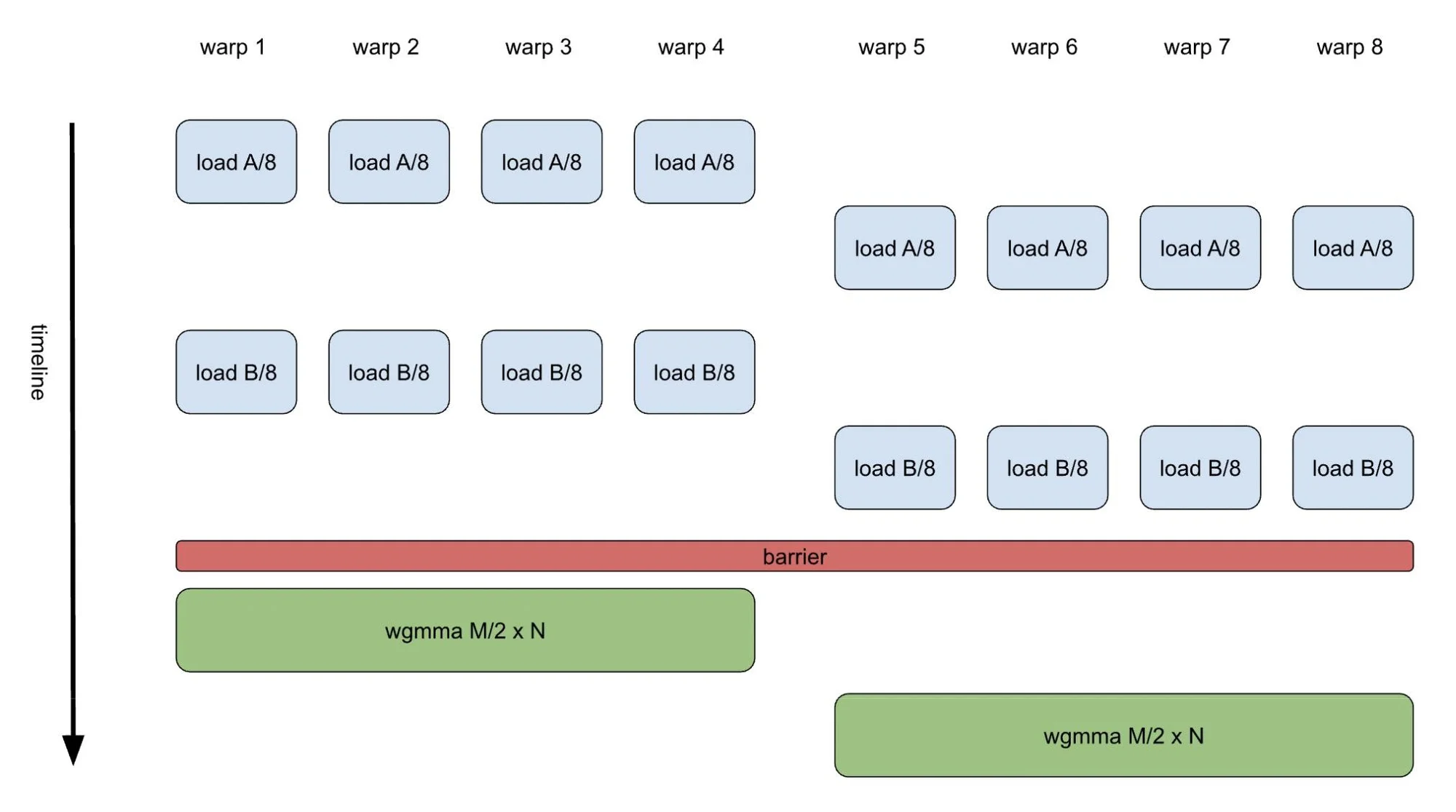 Related illustration — Enabling advanced GPU features in PyTorch – Warp Specialization – PyTorch
 Related illustration — Medium
 Related illustration — Deep Dive Into Nvidia’s “Hopper” GPU Architecture
 Related illustration — 论文阅读:Benchmarking and Dissecting the Nvidia Hopper GPU Architecture-CSDN博客
 Related illustration — 🚀 Write High Performance FlashMLA with TileLang on Hopper - TileLang 0.1.13 documentation
Published: October 13, 2026
Amazon Web Services has published a technical breakdown of several GPU optimizations for serving sparse Mixture-of-Experts models.
The changes improve inference performance on NVIDIA H200 GPUs and have been integrated into AWS inference containers and the open-source vLLM project.
AWS reports up to 10% higher throughput and 9% faster time to first token, depending on the optimization and workload.
Three engineering improvements
1. Matrix multiplication reordering
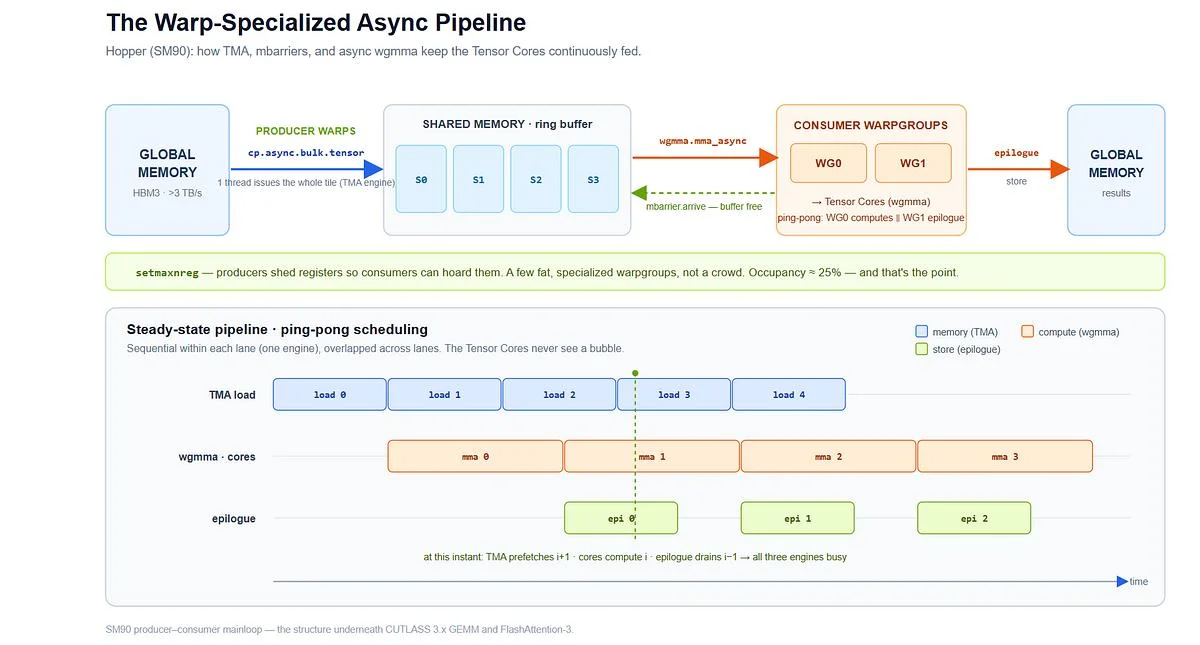
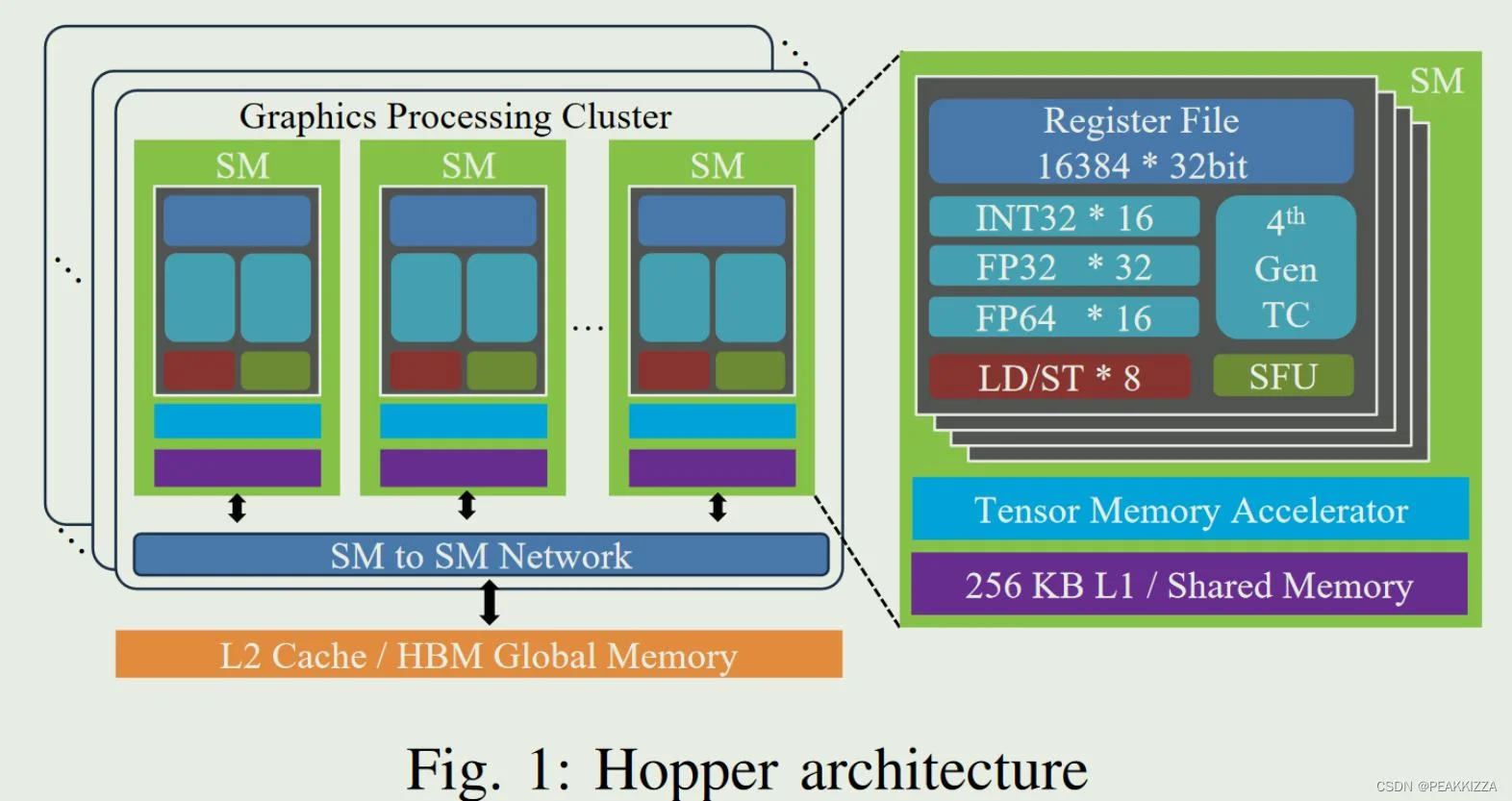
NVIDIA Hopper's WGMMA instructions favor particular matrix dimensions.
During token generation, the input matrix may contain only one token row, leaving significant GPU compute capacity underutilized.
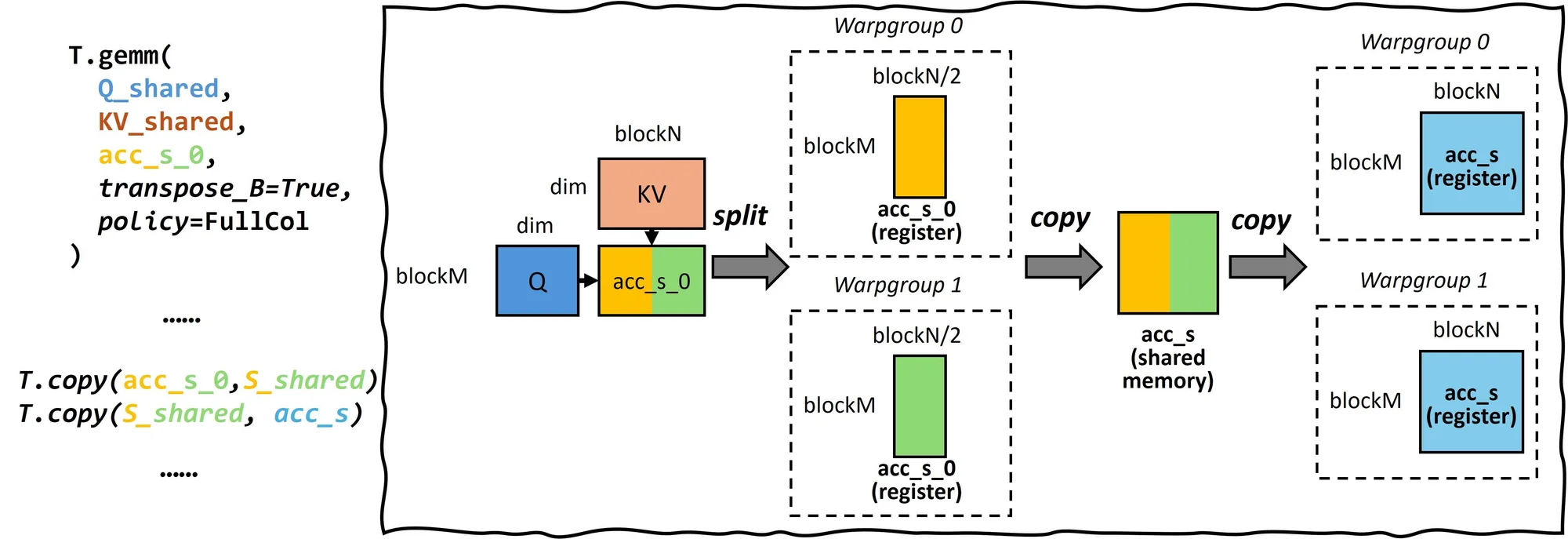
AWS changes the multiplication layout using the mathematical identity:
A × B = (Bᵀ × Aᵀ)ᵀ
This allows the computation to better match the hardware's preferred dimensions.
AWS reports a 2–4% throughput improvement from this optimization.
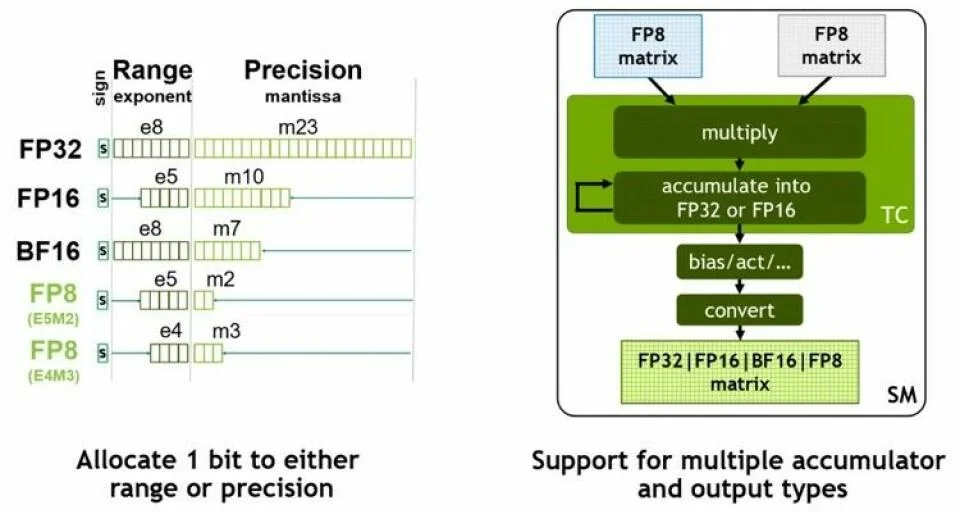
2. Better FP8 backend selection
AWS discovered that Triton outperformed the default FlashInfer/CUTLASS execution path for certain FP8-quantized MoE workloads.
Changing the backend selection policy improved throughput by approximately 10% in the tested configuration.
3. Eliminating unnecessary JIT compilation
Triton was recompiling certain kernels whenever the number of input tokens changed.
Adding do_not_specialize annotations prevented unnecessary recompilation.
The result was approximately 9% faster time to first token under the reported eight-GPU configuration.
Why it matters for developers
This demonstrates that model-serving performance depends heavily on compiler behavior, memory layouts, kernel selection, and hardware utilization.
A model can remain completely unchanged while its serving infrastructure becomes substantially faster.
Engineering takeaway: if you're operating self-hosted LLMs, benchmark inference backends and quantization configurations before increasing GPU capacity. Some performance problems are caused by inefficient execution paths rather than insufficient hardware.
Orca Security cuts AI-agent query costs by 90% through schema-aware retrieval
Published: October 13, 2026
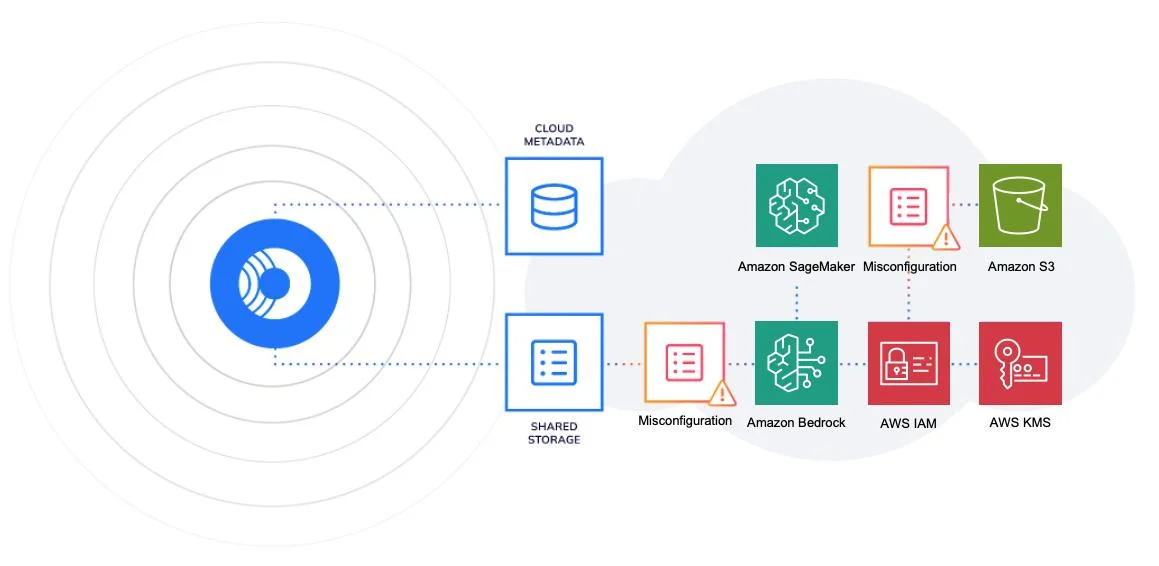
Orca Security and AWS have published a production engineering case study explaining how they optimized an AI agent that converts natural-language security questions into structured queries.
The original implementation was straightforward: place the complete database schema into a large model's context and ask it to generate the appropriate query.
It worked, but it was expensive.
The initial implementation consumed approximately 2 million input tokens per workload and required around 60 seconds to produce results.
The redesigned architecture
The team replaced the monolithic prompt with a multi-stage pipeline.
The important stages include:
Schema selection: Identify which database models are relevant to the question.
Example retrieval: Search previously validated query examples.
Reranking: Select the most relevant examples.
Query generation: Generate a query using only the selected schemas and examples.
Validation: Check the generated query against the actual schema.
Correction: Return validation errors to the generator for another attempt.
The system uses multiple specialized models rather than one expensive model for every operation.
Its retrieval strategy is particularly interesting: retrieve the top 20 examples using embeddings, then rerank them to select five high-quality examples.
Production results
| Metric | Original | Optimized |
|---|---|---|
| Input tokens | ~2 million | ~140,000 |
| Response latency | ~60 seconds | ~15 seconds |
| Query cost | Baseline | 90% lower |
The team also reports improved accuracy on complex queries, evaluated through an internal testing framework.
Why it matters for developers
This is another strong demonstration that better context engineering can be more valuable than simply upgrading the model.
The same approach can be applied to coding agents that need to understand large database schemas, API contracts, or enterprise repositories.
Instead of loading everything into context:
Question → Relevant schema selection → Example retrieval → Generation → Validation
Engineering takeaway: design agent workflows around selective context retrieval and deterministic validation. Measure token consumption, successful task completion, latency, and cost together.
GitHub introduces finer-grained permissions for automation and GitHub Apps
Released: October 13, 2026
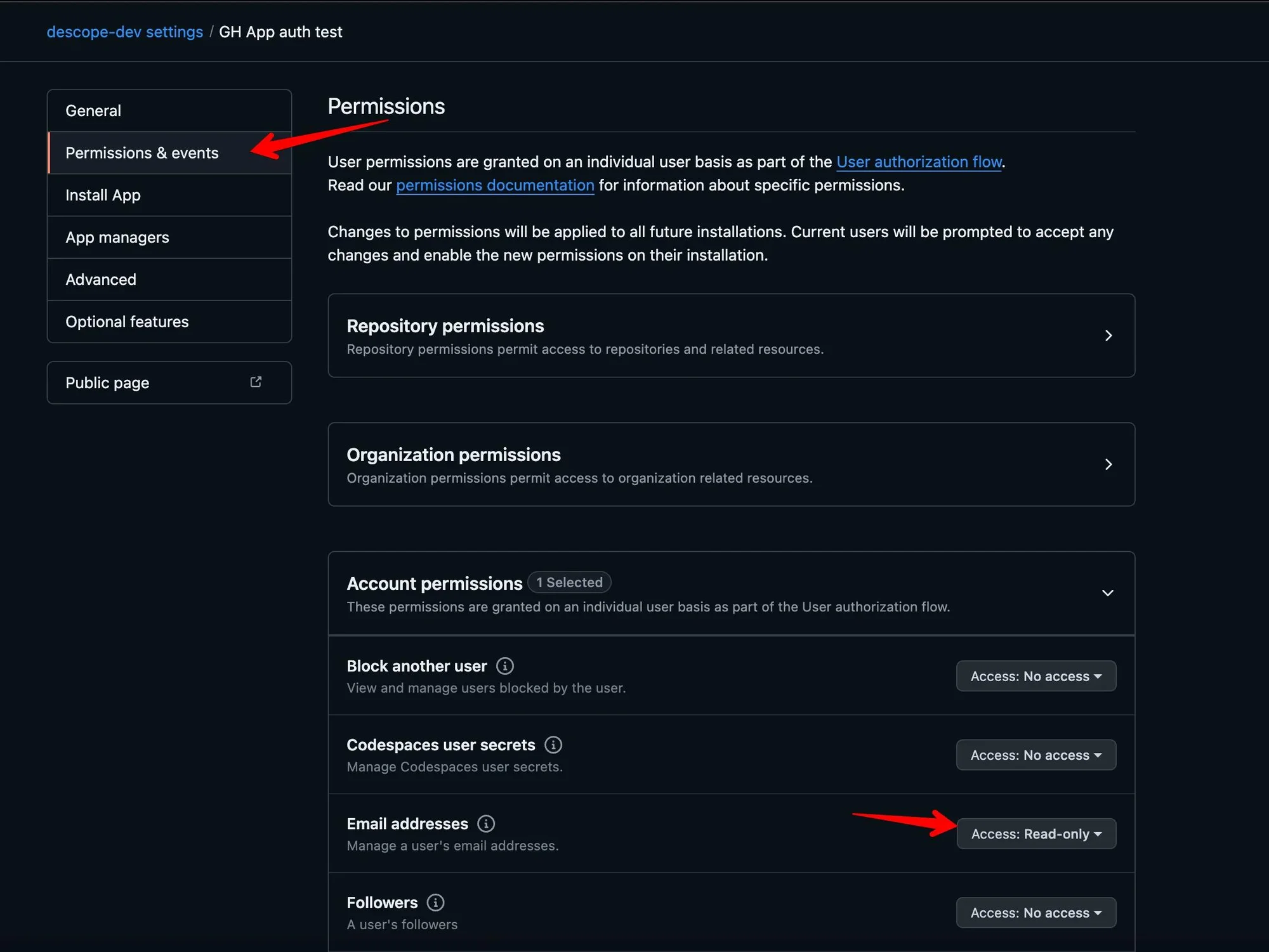
GitHub has released several improvements to GitHub Apps, focusing on authorization, credential management, and safer automation.
Two new fine-grained permissions are especially important.
repository_creation:write
Allows an application to create repositories without granting broader repository-administration permissions.
Previously, automation that needed to create repositories often required permissions that also allowed sensitive administrative operations, including deletion and transfer.
installation_repositories:write
Allows authorized applications to add or remove repositories from GitHub App installations.
This enables organizations to automate repository access management without relying on broadly privileged personal access tokens.
Additional changes
GitHub Apps now support offline_access, allowing developers to migrate toward short-lived access tokens and refresh-token rotation.
Repository administrators can also add repositories to existing organization-approved app installations under the updated permission rules.
GitHub has introduced a dedicated credentials-management interface in preparation for future workload-federation capabilities.
Why it matters for developers
This is particularly relevant to CI/CD systems, autonomous coding agents, and deployment automation.
An agent that needs to create a repository should not automatically receive permission to delete or transfer existing repositories.
The authorization model should be:
Agent identity → Narrow permissions → Authorized API operation
rather than:
Agent → Broad administrative token → Entire organization
Engineering takeaway: review automation that uses classic personal access tokens. Where possible, replace broad credentials with GitHub Apps, installation-scoped access, and short-lived tokens.
The bigger picture
The five developments point toward a common principle:
Performance, reliability, and security increasingly depend on the architecture surrounding the model—not just the model itself.
Gemini 4 Argon advances what autonomous coding systems can accomplish. Cloudflare demonstrates how to scale stateful infrastructure without centralizing every request. AWS shows how GPU-level optimizations improve inference economics. Orca demonstrates the value of selective context and validation. GitHub strengthens the authorization boundaries around automated development.
The emerging engineering stack looks like:
Frontier reasoning → Selective context → Specialized execution → Distributed state → Verification → Least-privilege authorization.
Today's most valuable technical reading: Cloudflare's D1 architecture and AWS's Mixture-of-Experts kernel engineering.
Both provide concrete engineering lessons that extend beyond their original products: how to eliminate bottlenecks, design for failure, reduce unnecessary work, and optimize systems using measurements rather than assumptions.
These briefings combine summaries of linked primary sources with engineering commentary by Emran Hejazi. Source links accompany each story so you can examine the original announcements and their claims.
Every new issue, in your feed reader.
Explore the architecture and engineering decisions behind my projects.