Today's briefing covers five verified developments from October 15–16, prioritizing new capabilities, engineering architecture, and practical implications for software developers.
The biggest developments: NVIDIA is bringing local coding agents and CUDA development into a unified Windows environment, GitHub has launched enterprise-wide open-source license enforcement, and Cloudflare is introducing programmable security infrastructure and new accountability mechanisms for AI crawlers.
All five stories are new to this briefing series.
NVIDIA brings local AI coding agents, CUDA, and PyTorch to RTX Spark
 Related illustration — Surface RTX Spark Dev Box - Surface 电脑中文资讯网
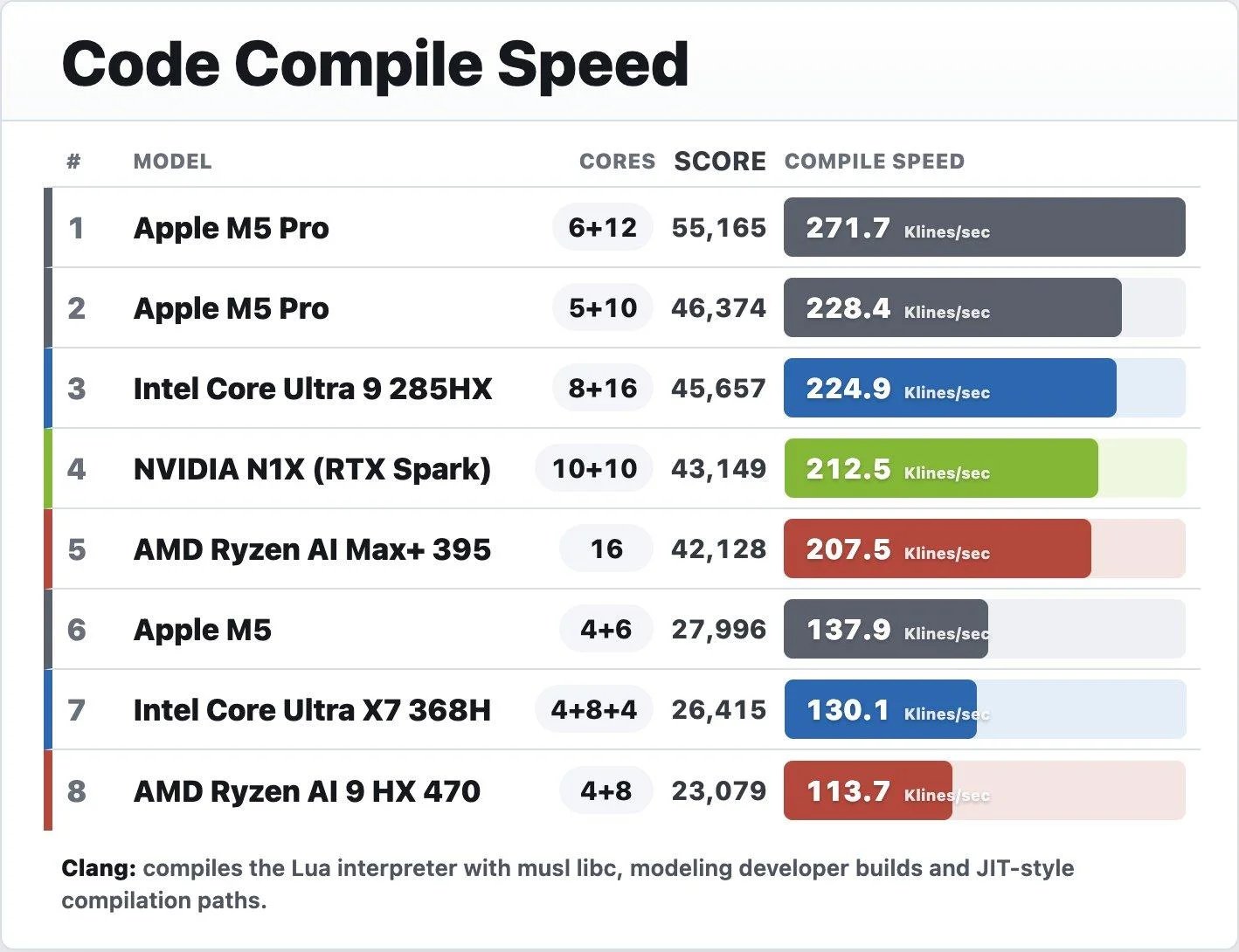 Related illustration — First NVIDIA RTX Spark benchmarks: almost as powerful as two Apple M5s or a single Core Ultra 9 285HX • Межа
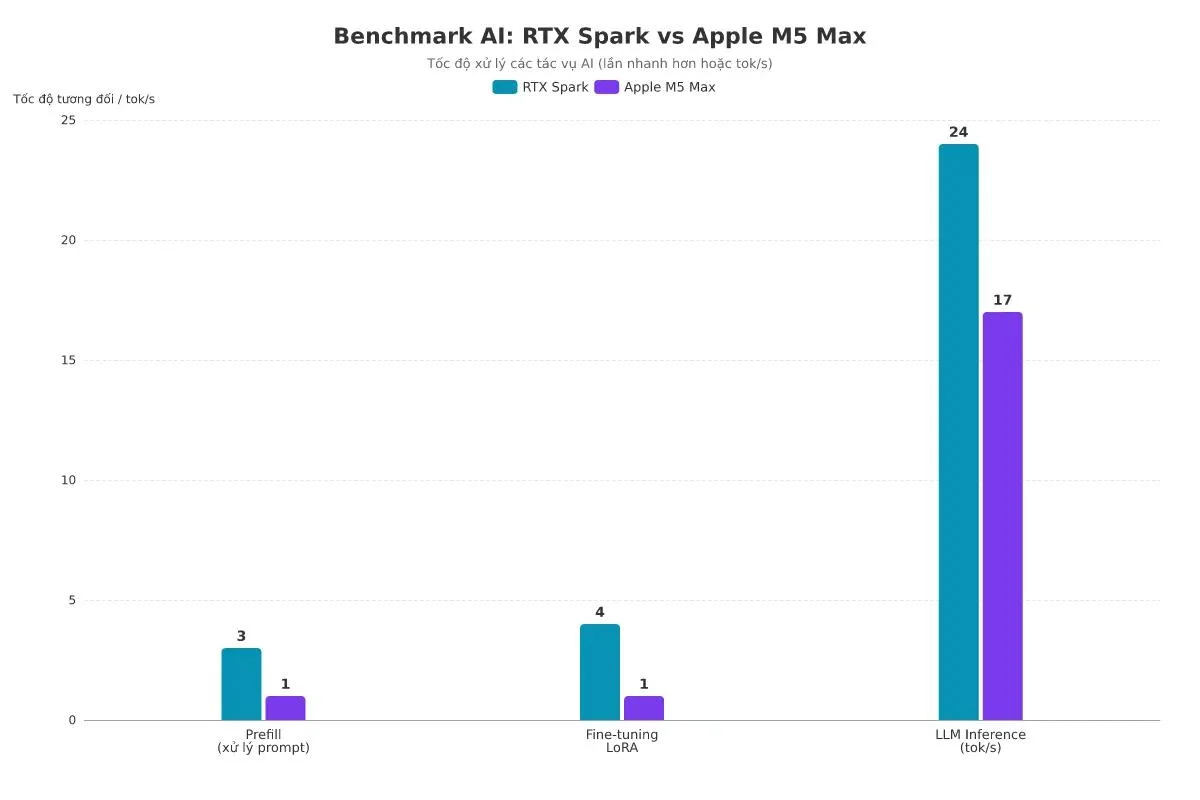 Related illustration — NVIDIA RTX Spark: siêu chip 1 petaflop AI viết lại kỷ nguyên Windows PC - LEOS
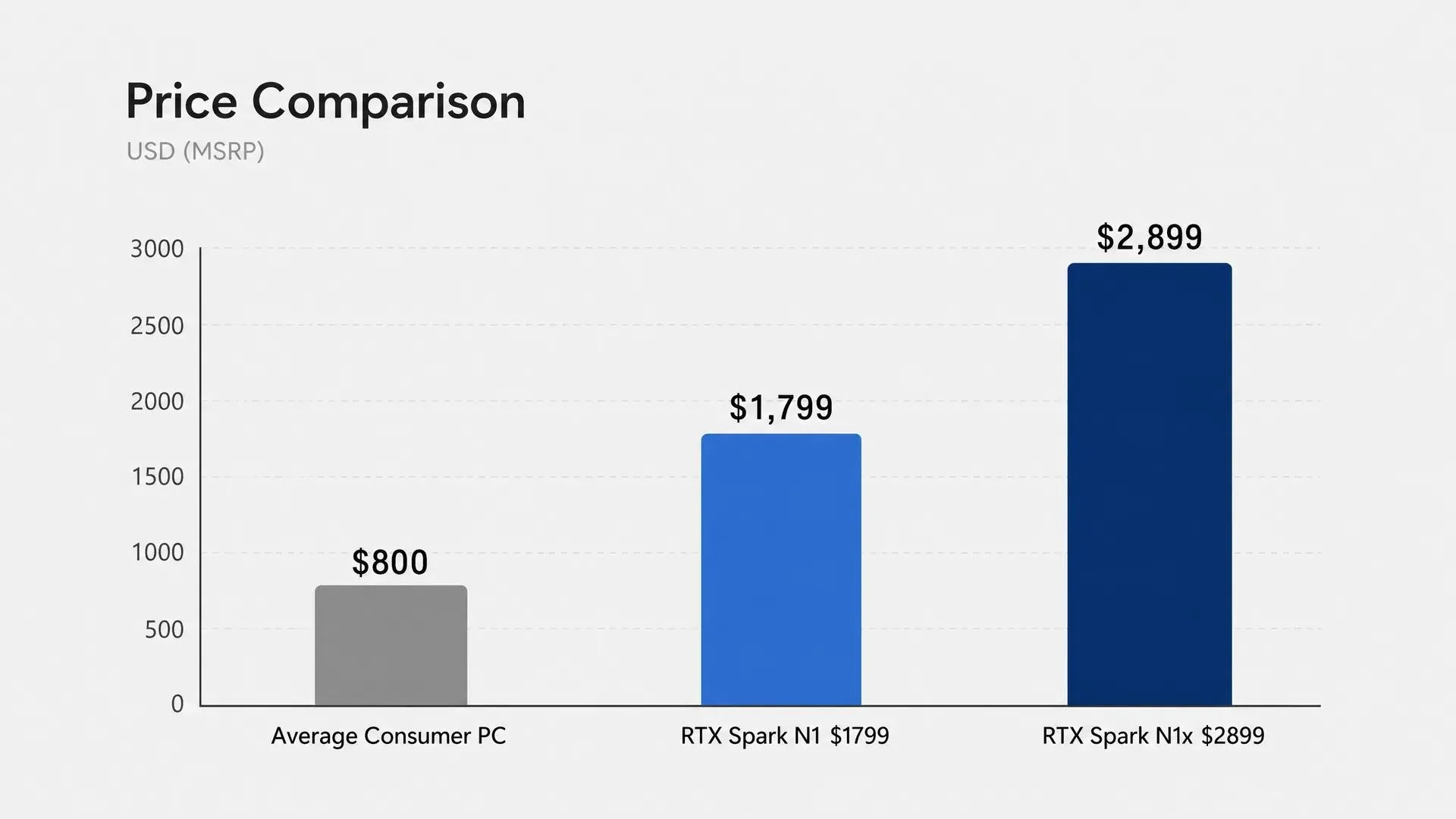 Related illustration — Se filtran los precios de los PC con NVIDIA RTX Spark: el modelo insignia partiría de casi 20.000 yuanes
Published: October 16, 2026
NVIDIA has published a major technical update detailing how its RTX Spark platform combines local AI inference, coding agents, compilation, and deployment on a single development machine.
The platform uses NVIDIA's GB10 system-on-a-chip and supports up to 128GB of unified memory, allowing developers to run relatively large models without relying entirely on cloud inference.
What's technically interesting?
The most significant development is the integration of local AI with the Windows developer ecosystem.
NVIDIA and Microsoft have expanded Windows on Arm support with:
- Native PyTorch-CUDA builds.
- Python 3.15 running natively by default.
- More than 2,000 Conda packages.
- Arm-compatible versions of over 97% of the 15,000 most popular Python packages.
- Integration with local coding agents, including Copilot and JetBrains Junie.
NVIDIA also reports that RTX Spark delivers 4.6× higher coding-agent performance, 2.7× faster fine-tuning, and 1.8× faster compilation compared with Intel Panther Lake 12Xe in its selected benchmarks. These are vendor measurements under specific workloads.
A particularly important architectural change
GitHub Copilot's HydraFusion router can now incorporate local models.
That creates a hybrid architecture:
Developer Request
       │
       ▼
  Model Router
       │
       ├── Local model → Routine operations
       │
       └── Cloud model → Complex reasoning
NVIDIA also highlights OS-level sandboxing through OpenShell and Microsoft Execution Containers, allowing agents to execute commands with restricted permissions.
Local model execution and secure tool execution are separate concerns, and the platform is addressing both.
Why it matters for developers
The significance isn't simply running a large model locally.
It's reducing the infrastructure required to build and operate autonomous development environments.
Instead of coordinating a laptop, remote GPU, cloud model API, and isolated execution server, developers can increasingly combine these components on one machine.
Engineering takeaway: hybrid local/cloud inference is becoming an increasingly practical architecture. Evaluate which agent operations can execute locally without sacrificing reliability, then reserve cloud inference for tasks that genuinely benefit from more capable models.
GitHub makes enterprise-wide open-source license compliance generally available
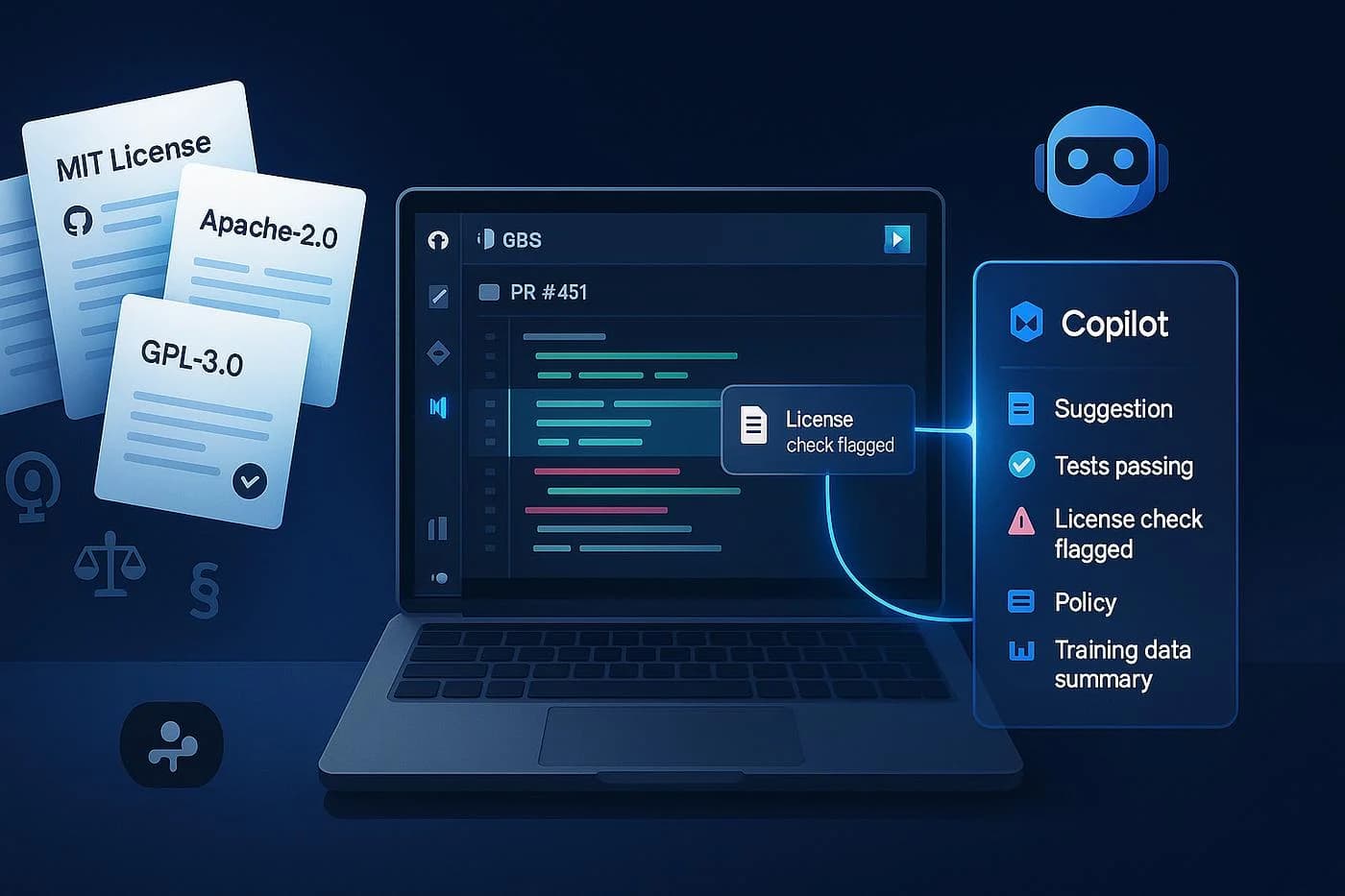
Released: October 16, 2026
GitHub has made its open-source license compliance system generally available for eligible GitHub Enterprise Cloud customers.
The feature allows organizations to enforce centralized licensing policies across repositories and prevent pull requests from introducing dependencies that violate those policies.
How it works
Previously, organizations often needed separate dependency-analysis tools or custom CI scripts to enforce licensing requirements.
GitHub now integrates those controls into repository rulesets.
The workflow is straightforward:
Pull Request
     ↓
Dependency Analysis
     ↓
License Policy Evaluation
     ↓
Approved ──────→ Merge allowed
     │
     └── Rejected → Exception or replacement
Organizations can define acceptable licenses, establish exceptions, and assign dedicated license managers.
A new ruleset condition, Require license compliance results before merging, allows repositories to enforce these checks.
GitHub has also introduced API endpoints for querying compliance status and managing enterprise licensing policies.
The most interesting development: agent integration
One new API allows developers and coding agents to check whether a package complies with organizational licensing policies before incorporating it.
This is important because autonomous coding agents frequently introduce dependencies.
A model might select a technically appropriate package without considering whether its license is compatible with the project's distribution model.
The new API makes it possible to enforce that requirement during dependency selection rather than discovering the problem during review.
Why it matters for developers
Dependency security isn't limited to vulnerabilities.
Licensing, provenance, maintenance, and distribution restrictions can all affect whether a dependency is appropriate for production.
For teams adopting autonomous coding agents, these constraints should be machine-enforceable.
Engineering takeaway: treat dependency selection as a governed operation. Where available, combine license-policy checks with vulnerability scanning, dependency pinning, and software bill-of-materials generation.
Availability: GitHub Enterprise Cloud repositories with GitHub Code Security enabled.
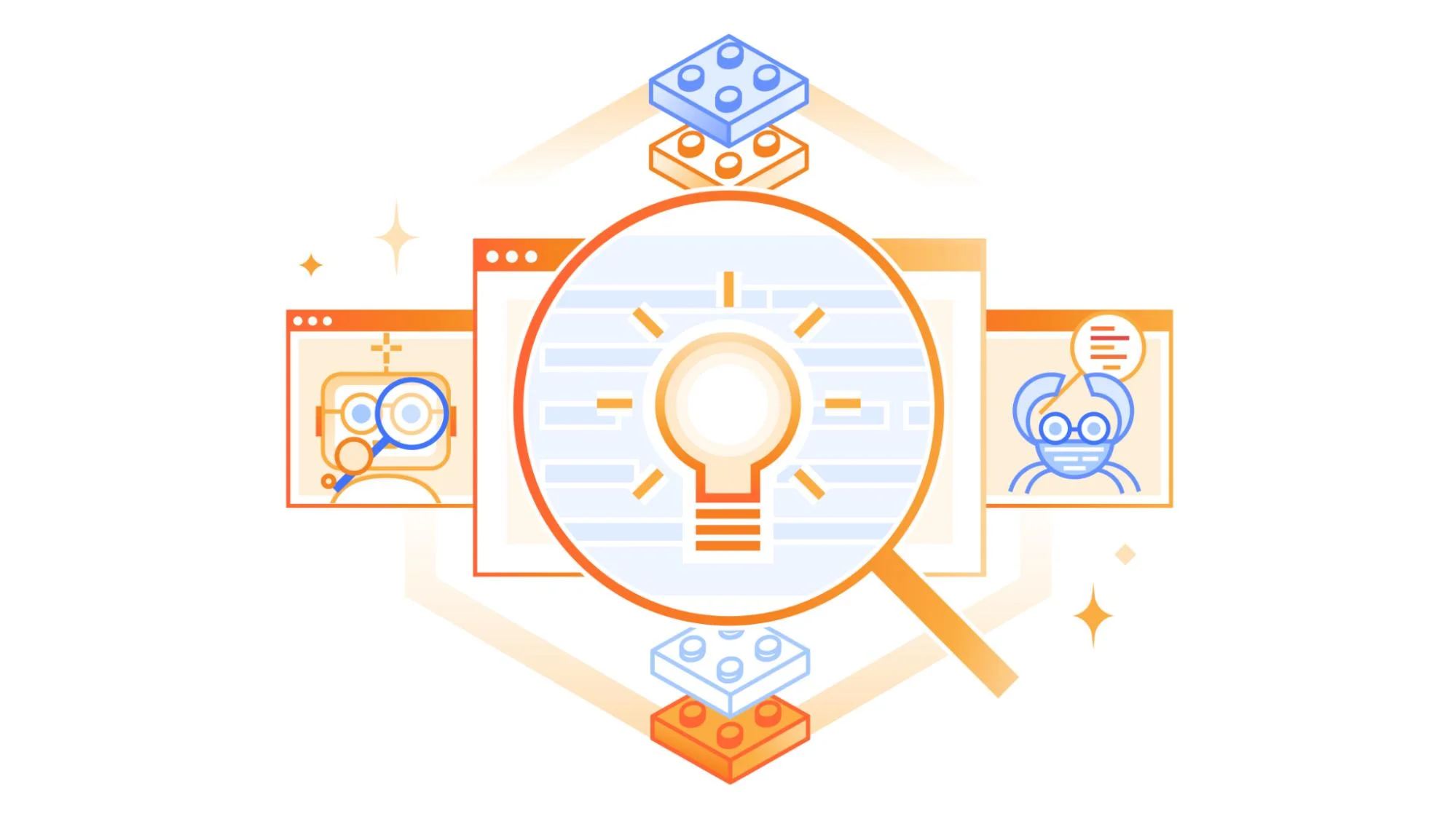
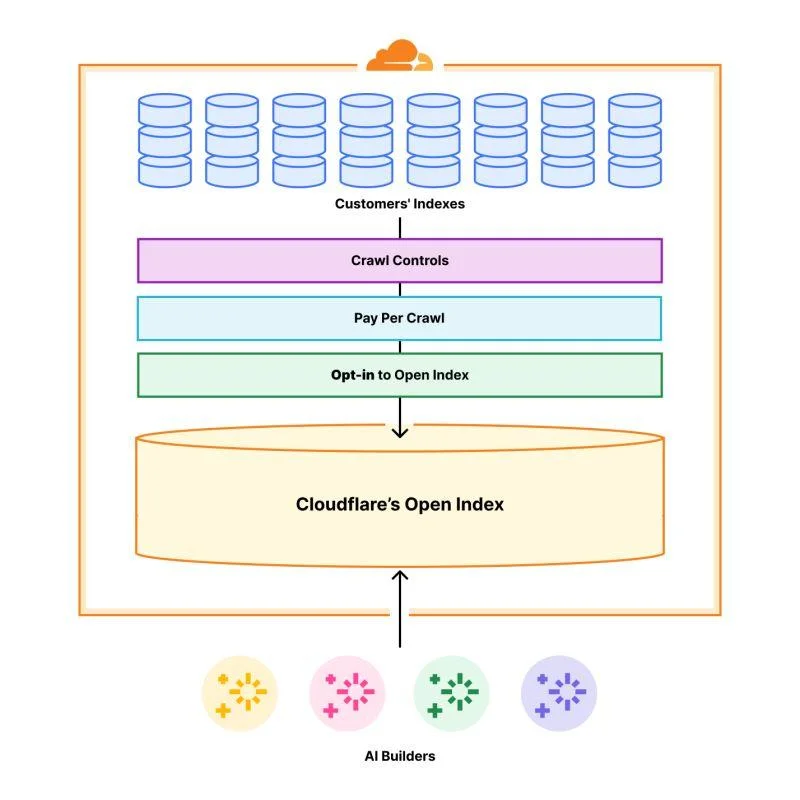
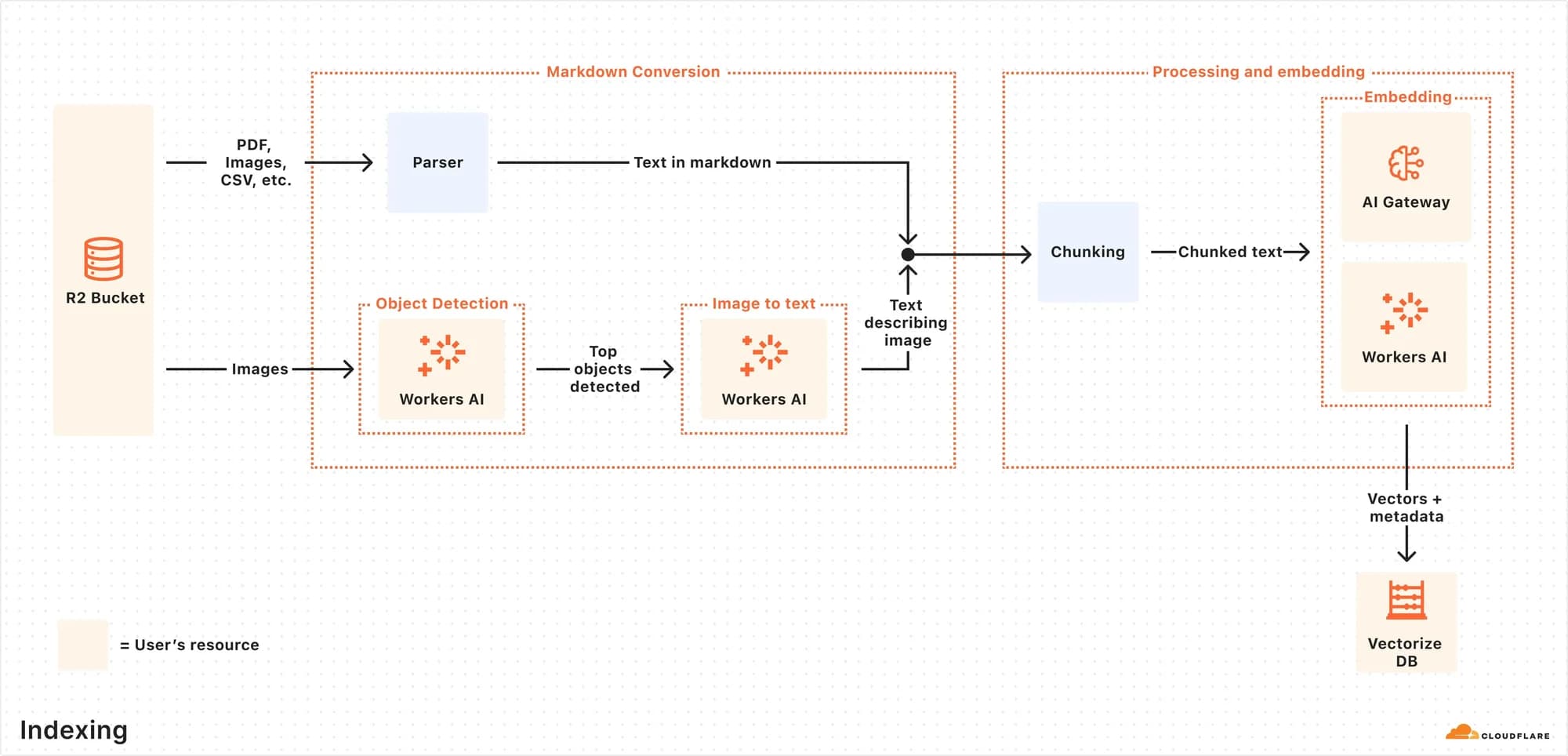
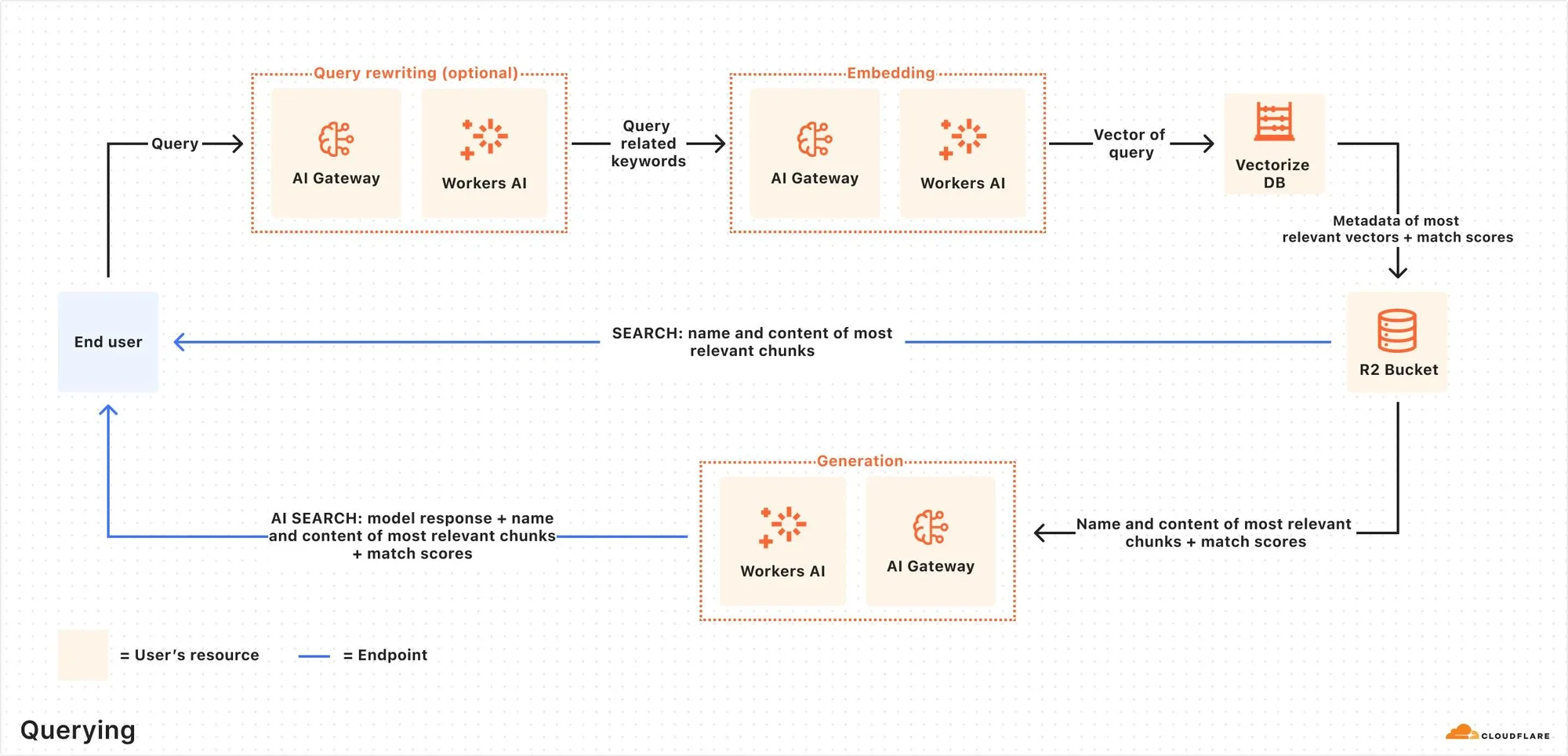
Cloudflare and OpenAI reveal a new approach to AI search indexing — hundreds of millions of additional pages discovered
 Related illustration — An AI Index for all our customers | Cloudflare Blog
 Related illustration — Cloudflare Launches AI Index for Developers | Mahmoud Rabie posted on the topic | LinkedIn
 Related illustration — How AI Search works · Cloudflare AI Search docs
 Related illustration — How AI Search works · Cloudflare AI Search docs
 Related illustration — AI Search: the search primitive for your agents | The Cloudflare Blog
Published: October 15, 2026
Cloudflare and OpenAI have published the initial results of a research collaboration designed to improve how AI search systems discover and index information across the web.
The results are significant.
Using a participating cohort representing approximately 1% of Cloudflare's network, the pilot enabled OpenAI to discover and index hundreds of millions of previously unknown web pages.
The collaboration began in July 2026.
What's technically interesting?
Traditional search engines depend heavily on crawling and indexing.
However, continuously fetching every possible URL is expensive and inefficient.
Many URLs lead to nonexistent pages, duplicate content, irrelevant redirects, or information that hasn't changed since the previous crawl.
Cloudflare's network can provide signals that help a crawler determine which pages are worth visiting.
The resulting architecture resembles:
Website Activity
       ↓
Cloudflare Network Signals
       ↓
Candidate URL Discovery
       ↓
OpenAI Search Crawler
       ↓
Content Evaluation
       ↓
Search Index
       ↓
Relevant AI Answers
The important distinction is that Cloudflare helps identify potentially useful pages, while OpenAI independently evaluates and ranks them.
The companies are also experimenting with signals that identify potentially harmful pages, including compromised content hosted on otherwise legitimate websites.
The engineering implications
This is an interesting application of metadata-assisted distributed crawling.
Instead of relying entirely on repeated network requests to discover changes, crawlers can use external signals to prioritize work.
That can reduce unnecessary requests and improve indexing freshness.
The companies also emphasize that these signals do not grant permission to access a page and that the pilot uses web metadata for discovery rather than sharing page content for model training.
Why it matters for developers
This has implications for websites, documentation platforms, and developer portals.
As AI search becomes another major discovery channel, ensuring that documentation is accessible, current, and properly structured becomes increasingly important.
Engineering takeaway: treat AI crawler accessibility as part of your website's discoverability strategy. Maintain correct HTTP status codes, canonical URLs, structured metadata, and consistent content updates.
The broader architectural lesson is that efficient information retrieval begins before the retrieval request itself.
Cloudflare introduces a programmable secure web gateway using Workers
Released: October 15, 2026
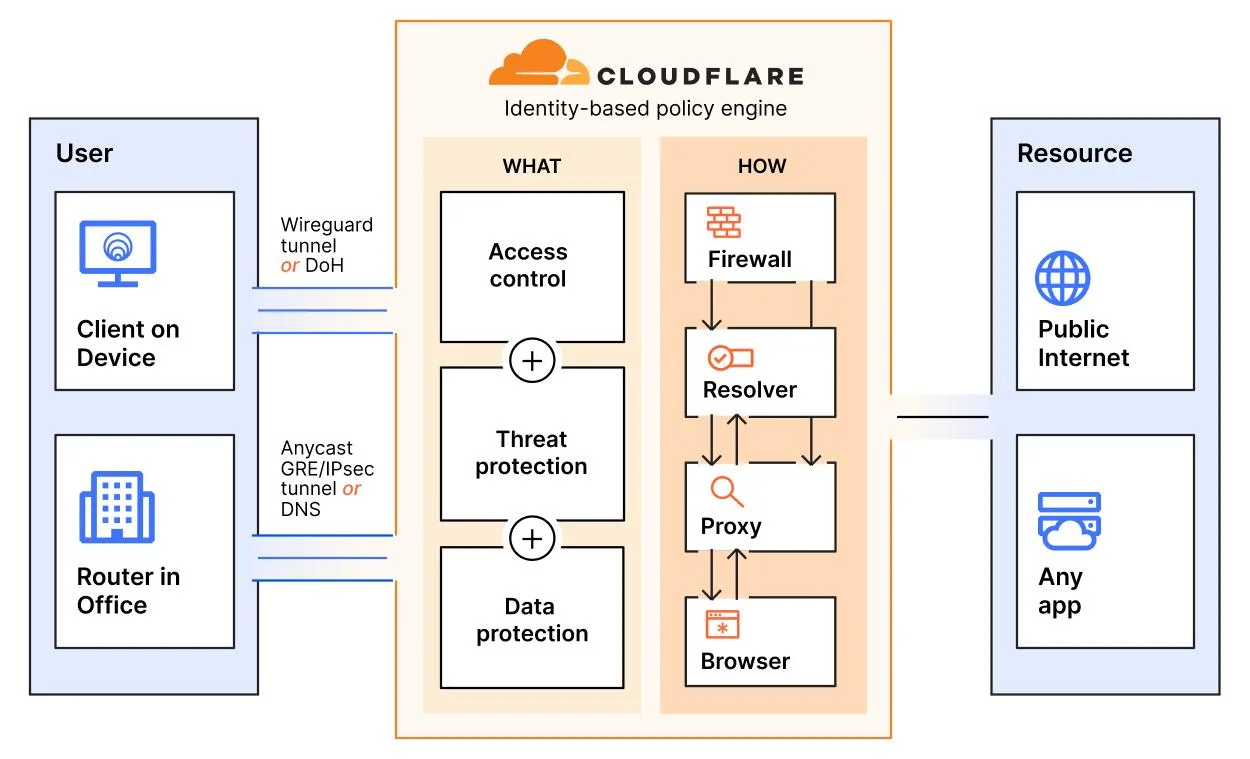
Cloudflare has introduced new capabilities allowing organizations to execute custom code directly inside network-security policy workflows.
This represents an architectural change from conventional secure web gateways.
Traditionally, gateways evaluate conditions and execute predefined actions such as allowing, blocking, isolating, or logging traffic.
That works for ordinary policies but becomes limiting when security decisions depend on application-specific business logic.
What's changing?
Cloudflare is introducing two extension mechanisms.
Forward actions allow matching HTTP traffic to be routed through a Cloudflare Worker, where custom code can inspect or transform requests.
Custom Functions allow security policies to incorporate calculations or data from external systems.
Forward actions entered public beta on October 15. Gateway Custom Functions are planned for later in 2026.
Cloudflare has also made custom validation functions available for its Data Loss Prevention system.
The architecture
Outgoing HTTP Request
          ↓
   Gateway Policy
          ↓
   Cloudflare Worker
          │
          ├── Inspect context
          ├── Validate permissions
          ├── Transform request
          └── Apply custom logic
          ↓
   Policy Enforcement
The technically important detail is that Gateway and Workers operate on the same distributed infrastructure.
Dispatching to a Worker therefore doesn't require an additional network round trip, although executing the custom logic still introduces processing overhead.
Cloudflare also requires explicit fallback behavior for Custom Functions when execution fails or returns an unexpected result.
Why it matters for developers
This is particularly interesting for organizations operating autonomous agents.
An agent might need access to external APIs, repositories, or internal services.
Rather than allowing unrestricted outbound requests, organizations can enforce context-aware policies at the network boundary.
For example, a security system could validate whether a detected credential is active before deciding whether an outbound request violates a DLP policy.
Engineering takeaway: programmable security gateways can reduce the need for custom proxy infrastructure, but policy execution must remain deterministic, observable, and resilient to failures.
For agentic systems, this is another step toward enforcing permissions outside the language model itself.
Cloudflare introduces continuous trust evaluation for verified AI crawlers
Published: October 16, 2026
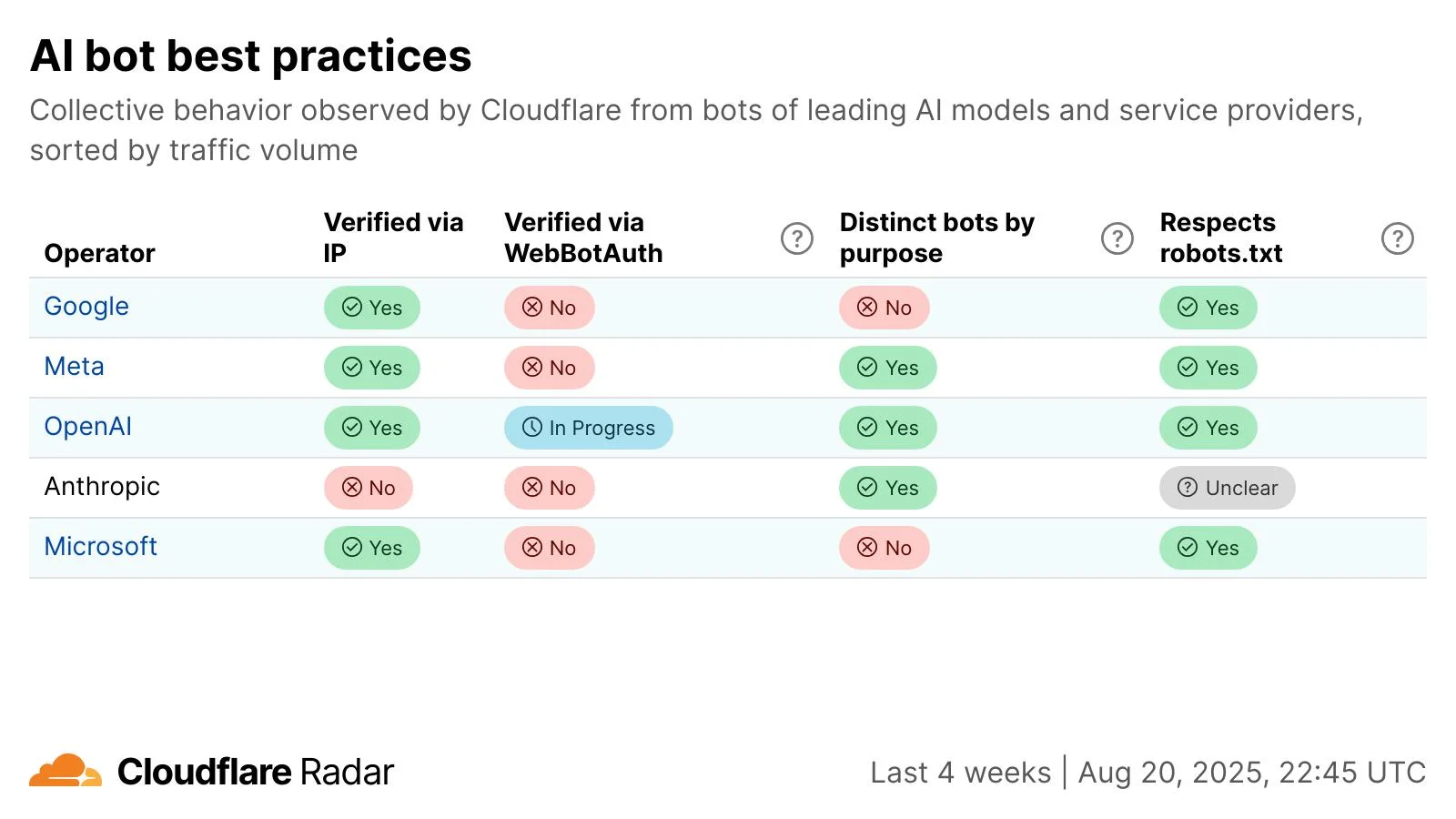
Cloudflare has introduced a new system for continuously evaluating whether verified bots behave responsibly.
The central idea is simple but important:
Verifying an agent's identity doesn't prove that its future behavior will remain trustworthy.
A crawler may correctly authenticate itself while ignoring website restrictions, overwhelming servers, or refusing to reduce its request rate.
Cloudflare's new system evaluates behavior over time rather than granting permanent trust based on identity alone.
How the system works
The architecture combines authenticated identity with behavioral evidence.
Cloudflare uses Web Bot Auth to verify bot identity and BotBase to maintain information about identified bots.
The new accountability system then evaluates two initial categories of behavior.
Respect for published instructions: Does the crawler follow website preferences expressed through mechanisms such as robots.txt?
Response to direct feedback: Does the crawler reduce its request rate after receiving an HTTP 429 Too Many Requests response?
Instead of treating every isolated mistake as a permanent violation, Cloudflare examines repeated behavior and builds an explainable trust band.
Why it matters for developers
This is a useful architectural pattern for autonomous systems.
Authentication answers:
Who is performing this operation?
Authorization answers:
What is this identity permitted to do?
Continuous trust evaluation answers:
Does its observed behavior justify continuing to grant that access?
These are different responsibilities.
The same principle can apply to autonomous coding agents, service accounts, API consumers, and third-party integrations.
A system may grant an agent permission to access an API, then reduce or revoke that permission when its behavior consistently violates operational limits.
Availability
Cloudflare is already using the system internally.
Public trust information and customer-configurable trust thresholds are planned for later availability; they are not yet generally available.
Engineering takeaway: design agent authorization around ongoing behavioral evidence, not just initial authentication. Respect rate limits, enforce bounded retries, and maintain enough telemetry to detect repeated policy violations.
The bigger picture
The strongest theme across these five developments is making autonomous systems more controllable at every layer.
NVIDIA is improving the infrastructure for executing AI agents locally. GitHub is making dependency policies enforceable before code reaches production. Cloudflare and OpenAI are improving how information is discovered, while Cloudflare's security developments demonstrate how to enforce policies and evaluate automated behavior continuously.
The emerging architecture looks like:
Local or cloud intelligence → Controlled execution → Policy-aware dependencies → Efficient information retrieval → Continuous behavioral verification.
For software developers, three principles are especially important.
First, separate intelligence from authority. An AI model may determine what it wants to do, but independent systems should decide whether the operation is permitted.
Second, make engineering constraints machine-readable. Licensing policies, API permissions, resource limits, and security requirements should be enforceable by infrastructure rather than relying exclusively on developer instructions.
Third, evaluate systems continuously. Passing an initial security check or benchmark doesn't guarantee reliable behavior after deployment.
What deserves your attention first?
NVIDIA's RTX Spark update is the most interesting development for local AI and coding-agent infrastructure.
GitHub's license-compliance APIs are immediately relevant to organizations integrating autonomous coding agents into production workflows.
For deeper architecture study, Cloudflare's programmable Gateway is the strongest technical article. Its integration of policy evaluation with co-located edge execution offers a useful example of extending security infrastructure without introducing another network service.
The broader lesson is that the next generation of developer infrastructure will increasingly need to support software written and operated by both humans and autonomous agents—with explicit boundaries, reproducible behavior, and continuous verification.
These briefings combine summaries of linked primary sources with engineering commentary by Emran Hejazi. Source links accompany each story so you can examine the original announcements and their claims.
Every new issue, in your feed reader.
Explore the architecture and engineering decisions behind my projects.