Today's briefing features five significant developments from October 13–17, including yesterday's new DeepSeek model, the release of a 501-billion-parameter open-weight coding model, and important infrastructure changes for autonomous agents.
Today's biggest development: DeepSeek has upgraded its inexpensive coding model while opening its search infrastructure to developers. Meanwhile, Reflection AI has released Beam's weights, Vercel is introducing persistent agent workspaces and background execution, and NVIDIA has open-sourced its GPU orchestration platform.
All five stories are new to this briefing series.
DeepSeek releases V4.1 Flash 1017 — stronger coding performance and a new Search API
 Related illustration — DeepSeek V4.1-Flash – Released | HasBeenReleased
 Related illustration — DeepSeek V4.1 Flash · Search Capability Leaderboard | Parallel
 Related illustration — DeepSeek V4.1-Flash – Released | HasBeenReleased
 Related illustration — DeepSeek V4.1 Flash:更强、更快、更普惠 | DeepSeek API Docs
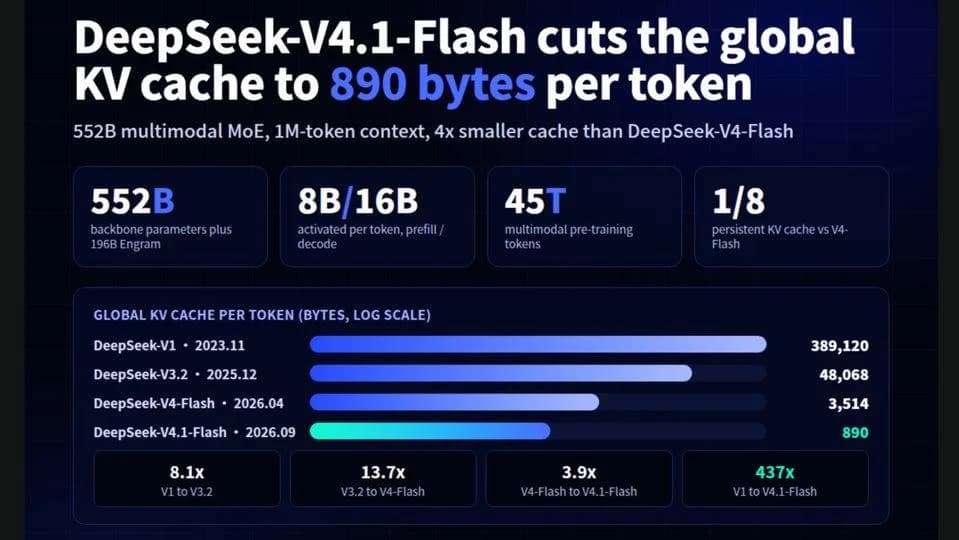 Related illustration — DeepSeek V4.1-Flash is now available: 1M-token context - Softonic
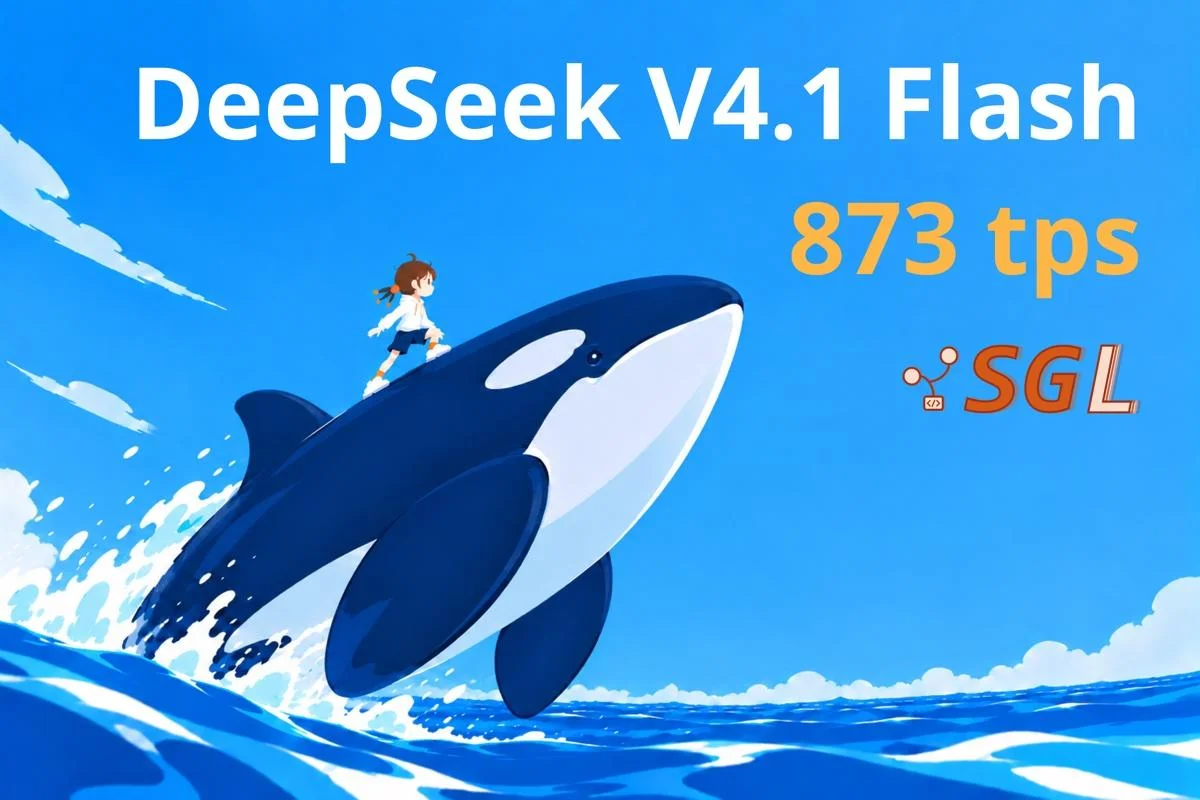 Related illustration — SGLang Blog – Releases, Benchmarks & Announcements
Released: October 17, 2026
Official release notes · Model weights and benchmarks · Search API documentation
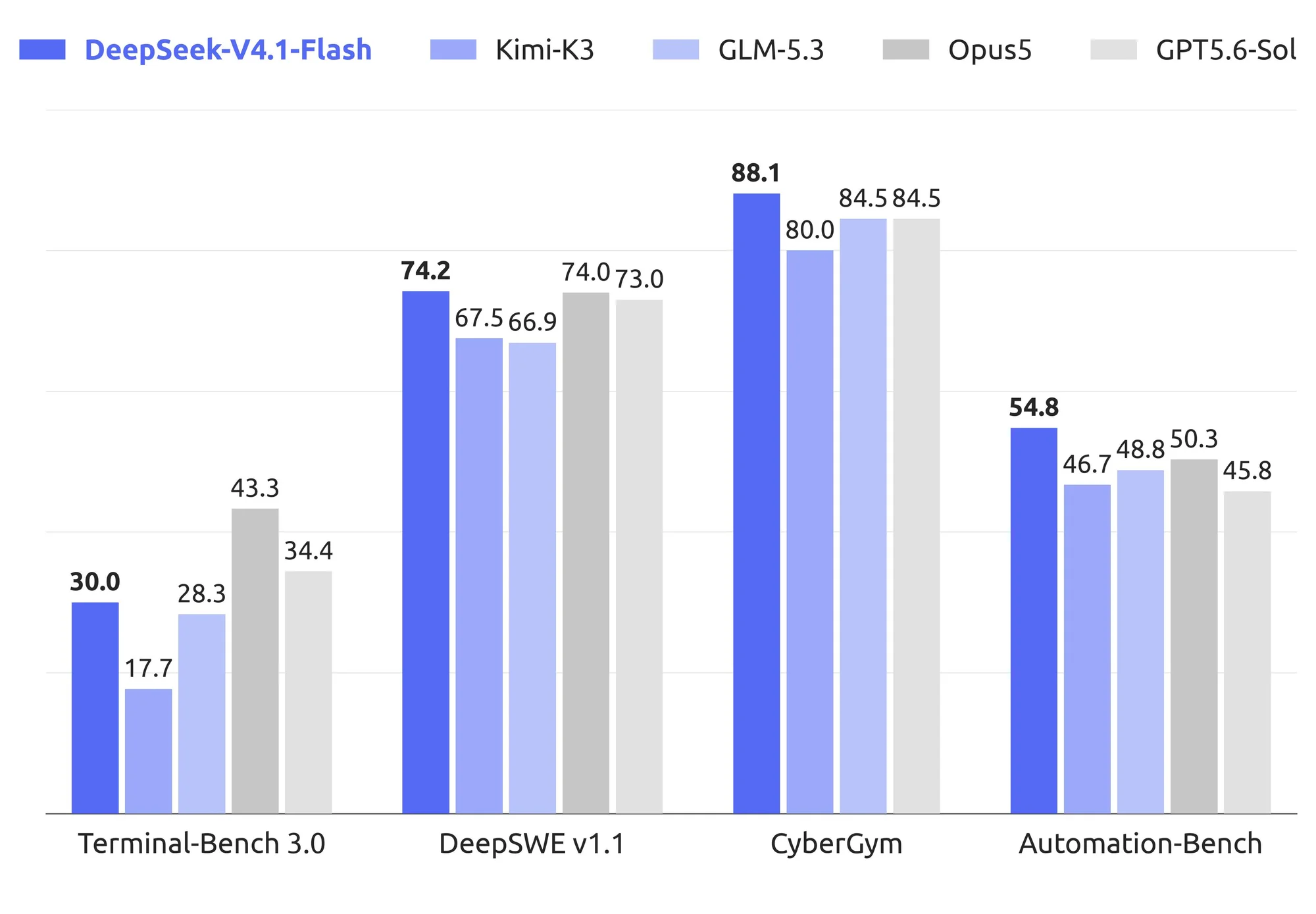
DeepSeek has released DeepSeek-V4.1-Flash-1017, an updated version of its inexpensive multimodal model, with substantial improvements in coding, reasoning, and autonomous task execution.
The model is available through the existing deepseek-flash API identifier. Pricing remains unchanged, and the updated weights are available under the MIT license.
What's technically interesting?
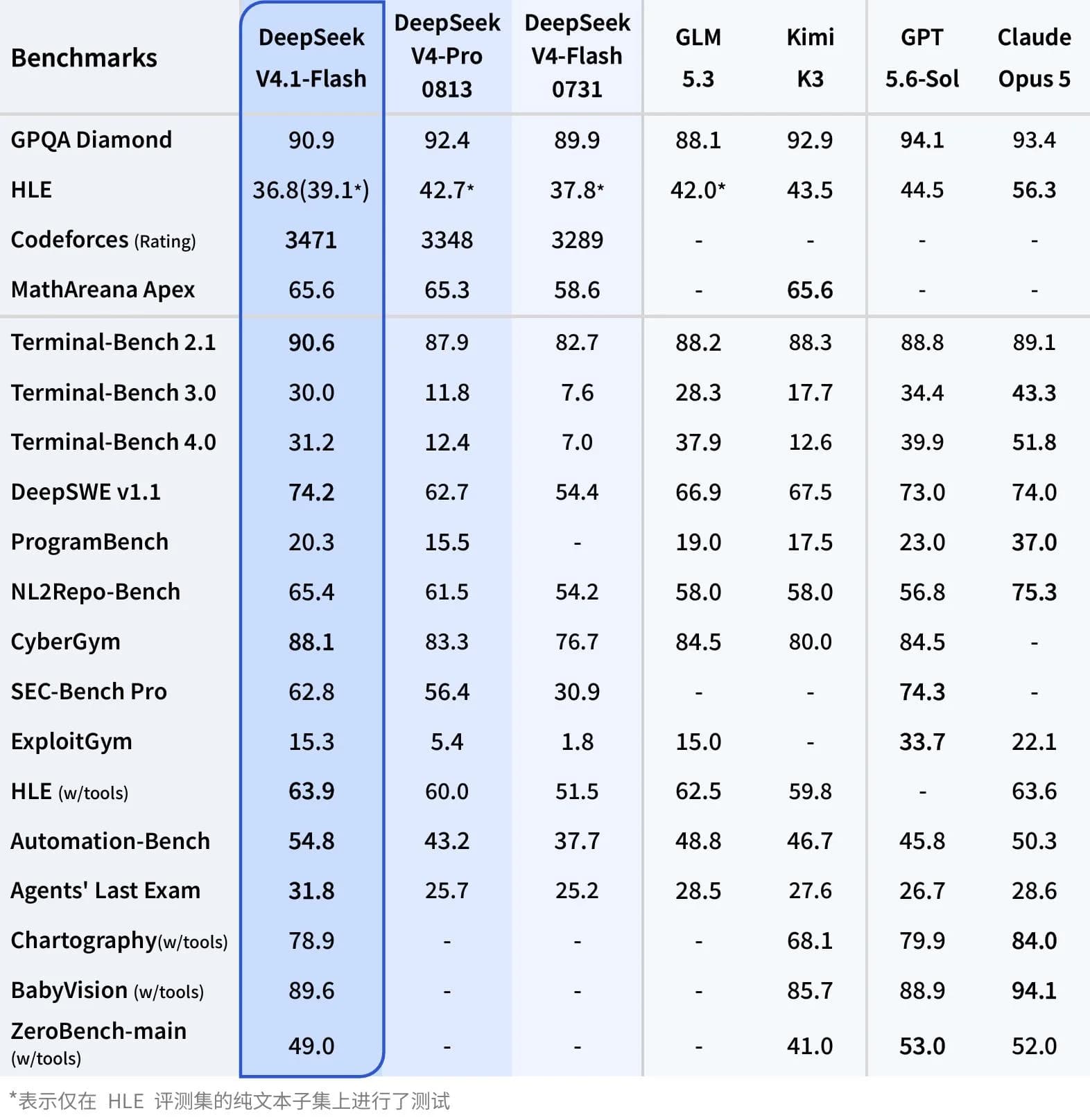
The largest improvements are in software-engineering benchmarks.
| Benchmark | Previous | New |
|---|---|---|
| Terminal-Bench 4.0 | 31.2% | 42.3% |
| DeepSWE 1.1 | 74.2% | 77.0% |
| ProgramBench | 20.3% | 29.1% |
| NL2Repo-Bench | 65.4% | 68.2% |
| AutomationBench | 54.8% | 60.5% |
These are DeepSeek's published results, using specified agent harnesses, rather than independently verified production measurements.
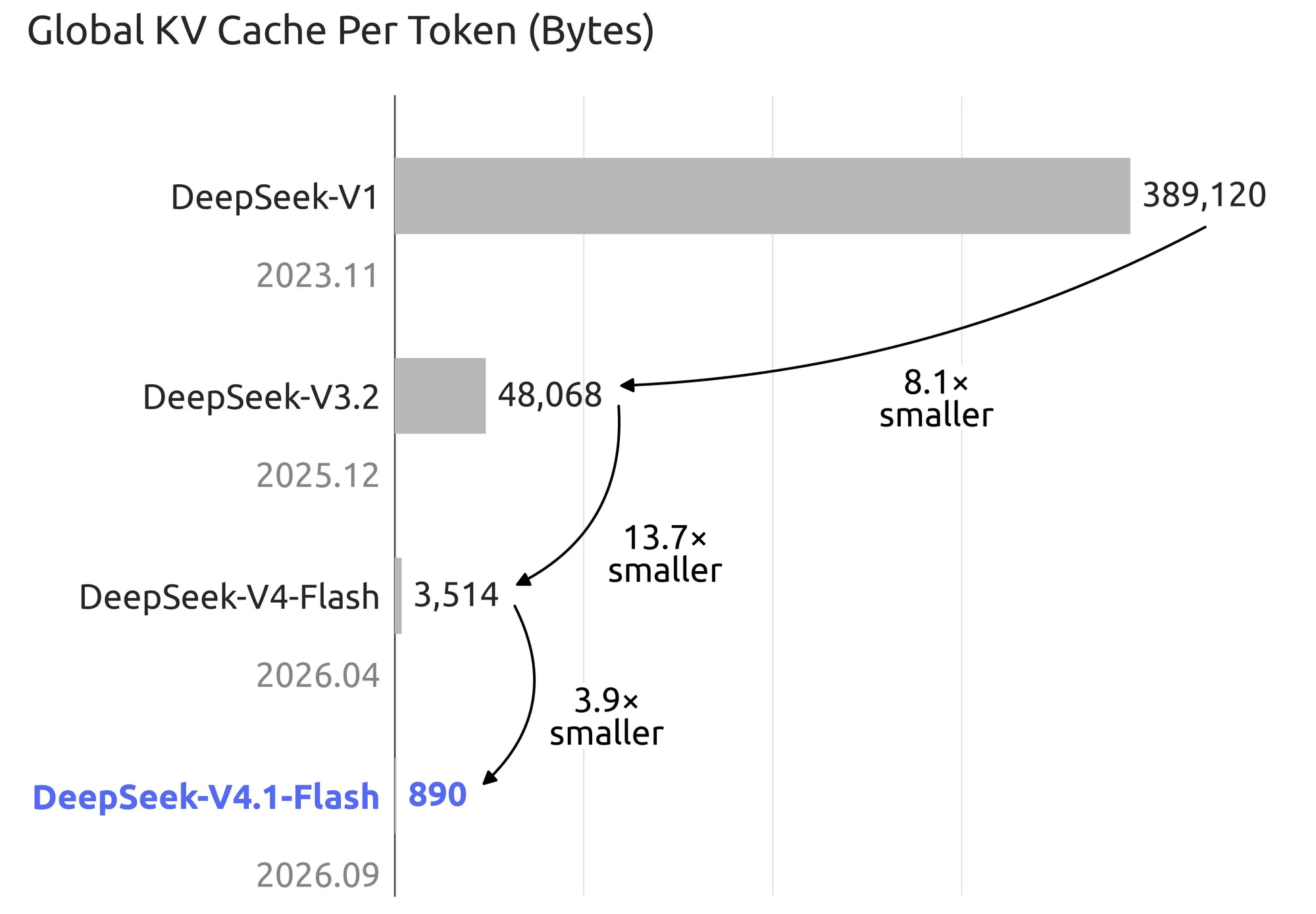
The model also produces shorter outputs and completes tasks faster, according to DeepSeek.
The second announcement: Search and Fetch APIs
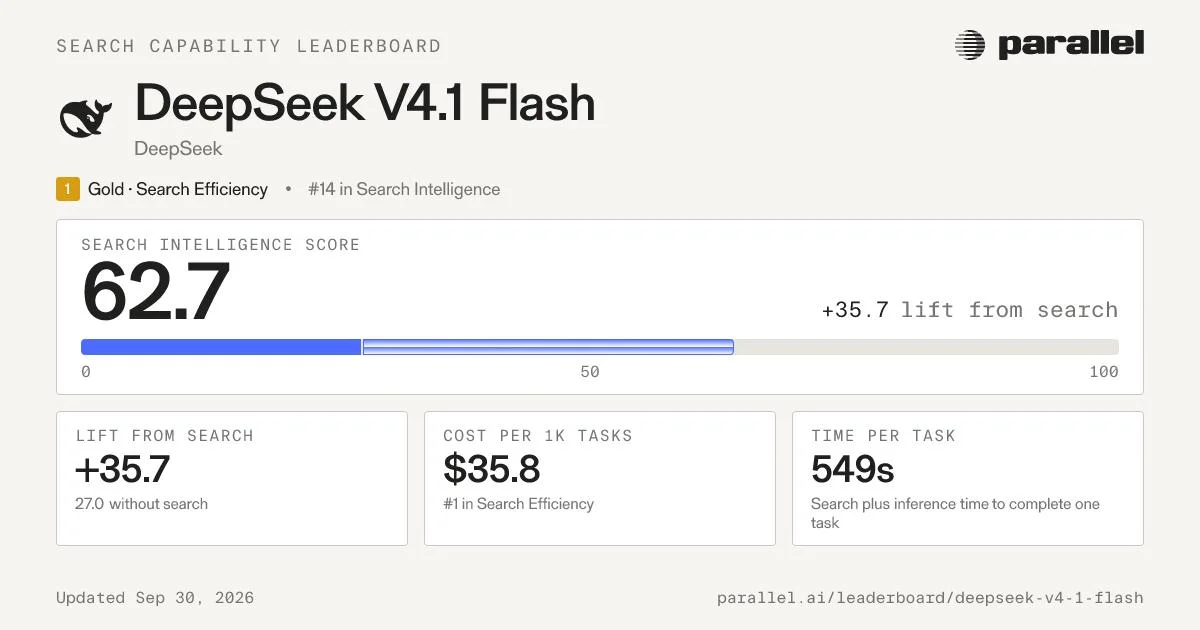
DeepSeek has also opened its internal web-search infrastructure to developers.
Two endpoints are now available:
POST /v1/tools/search
POST /v1/tools/fetch
Search returns ranked, structured results. Fetch retrieves web content as Markdown.
Both APIs cost $0.75 per 1,000 successful requests and have separate five-request-per-second account limits.
Why it matters for developers
This combines inexpensive model inference with authoritative information retrieval.
A production agent can use:
User request → Search → Fetch → Model reasoning → Tool execution
That is particularly useful for coding agents that need current documentation, API specifications, or repository information.
Engineering takeaway: DeepSeek-V4.1-Flash-1017 deserves evaluation for cost-sensitive coding agents. Its improvement on Terminal-Bench 4.0 is meaningful, but benchmark results should be tested against your actual repositories before replacing an existing model.
Reflection AI releases Beam — a 501B open-weight model and an open agent development stack
Released: October 16, 2026
Reflection AI — Beam is now available · Vercel — Beam API availability
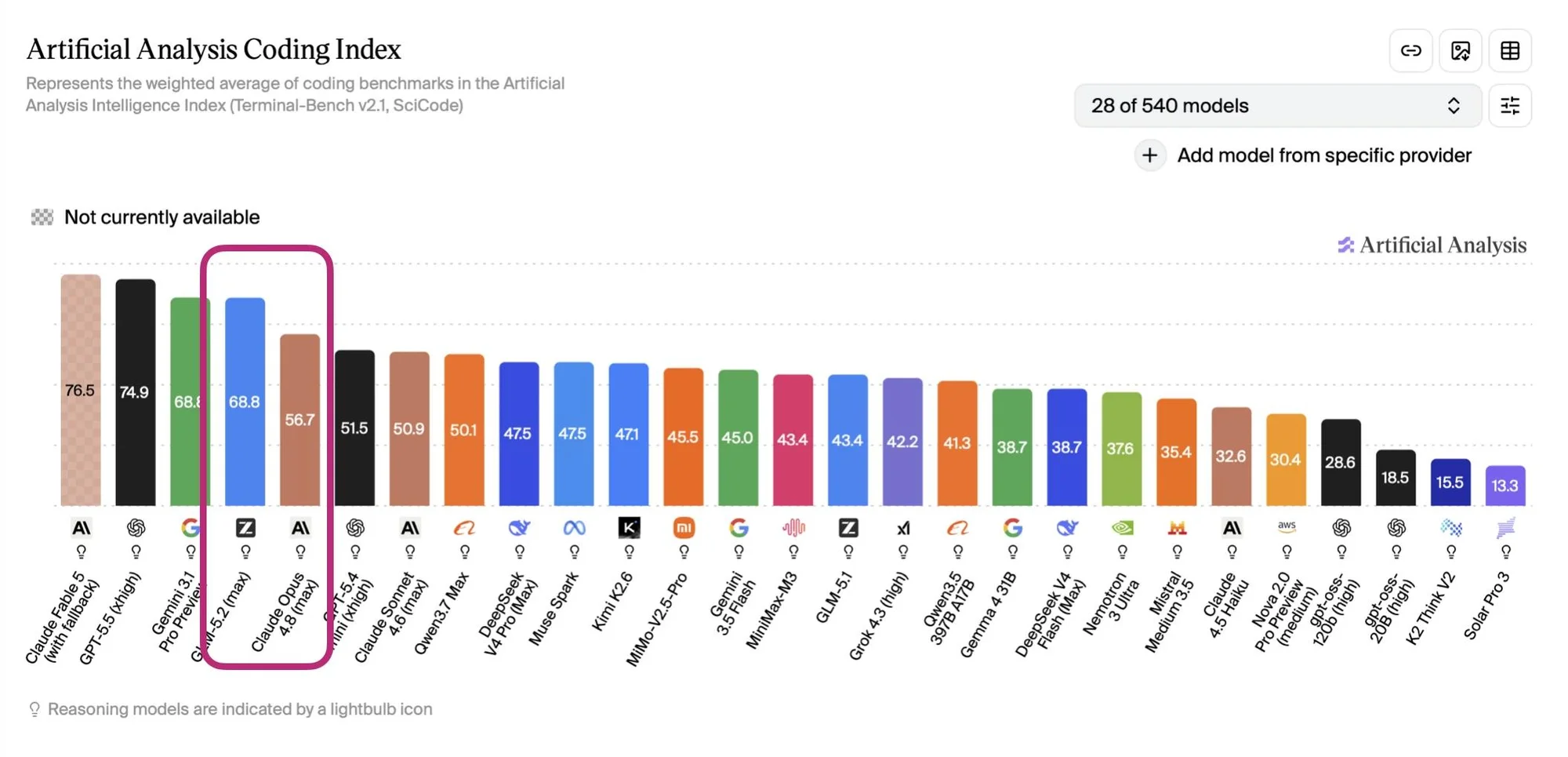
Reflection AI has officially released the weights for Beam, its first open-weight model, under the Apache 2.0 license.
The model was initially announced on October 5, but October 16 marks the actual public release of its weights and deployment ecosystem.
Model specifications
| Specification | Beam |
|---|---|
| Total parameters | 501 billion |
| Active parameters | 23 billion |
| Architecture | Sparse Mixture-of-Experts |
| Context window | 1 million tokens |
| Available precision | BF16, FP8, NVFP4 |
| License | Apache 2.0 |
| Focus | Coding, reasoning, autonomous agents |
Beam is available through managed APIs and downloadable weights, with integrations across major inference frameworks.
What's technically interesting?
Reflection is releasing more than a model.
Its ecosystem includes optimized inference configurations, quantized weights, a speculative-decoding model, customization pipelines, and Mirror CLI, an agent development environment.
Mirror has an interesting architecture:
Developer
    ↓
Python interface
    ↓
Rust agent core
    ↓
Model inference
    ↓
Tools and isolated worktrees
The Python layer manages prompts, skills, and integrations. The Rust core handles agent execution.
Mirror supports resumable sessions, parallel agents, MCP connections, and human approval of tool operations.
Reflection says this separation also makes the core suitable for consistent agent evaluations.
Why it matters for developers
Beam is another step toward making advanced coding infrastructure independent of proprietary model providers.
Its Apache 2.0 license is particularly important for organizations that need to customize or self-host their models.
However, 501 billion total parameters still represent substantial memory and infrastructure requirements, even though only 23 billion are active per token.
Engineering takeaway: Beam is worth testing through a hosted endpoint before considering self-hosting. Its Mirror CLI architecture is also worth studying independently of the model.
Vercel introduces Daemons — long-running background workers without an HTTP server
Released: October 15, 2026
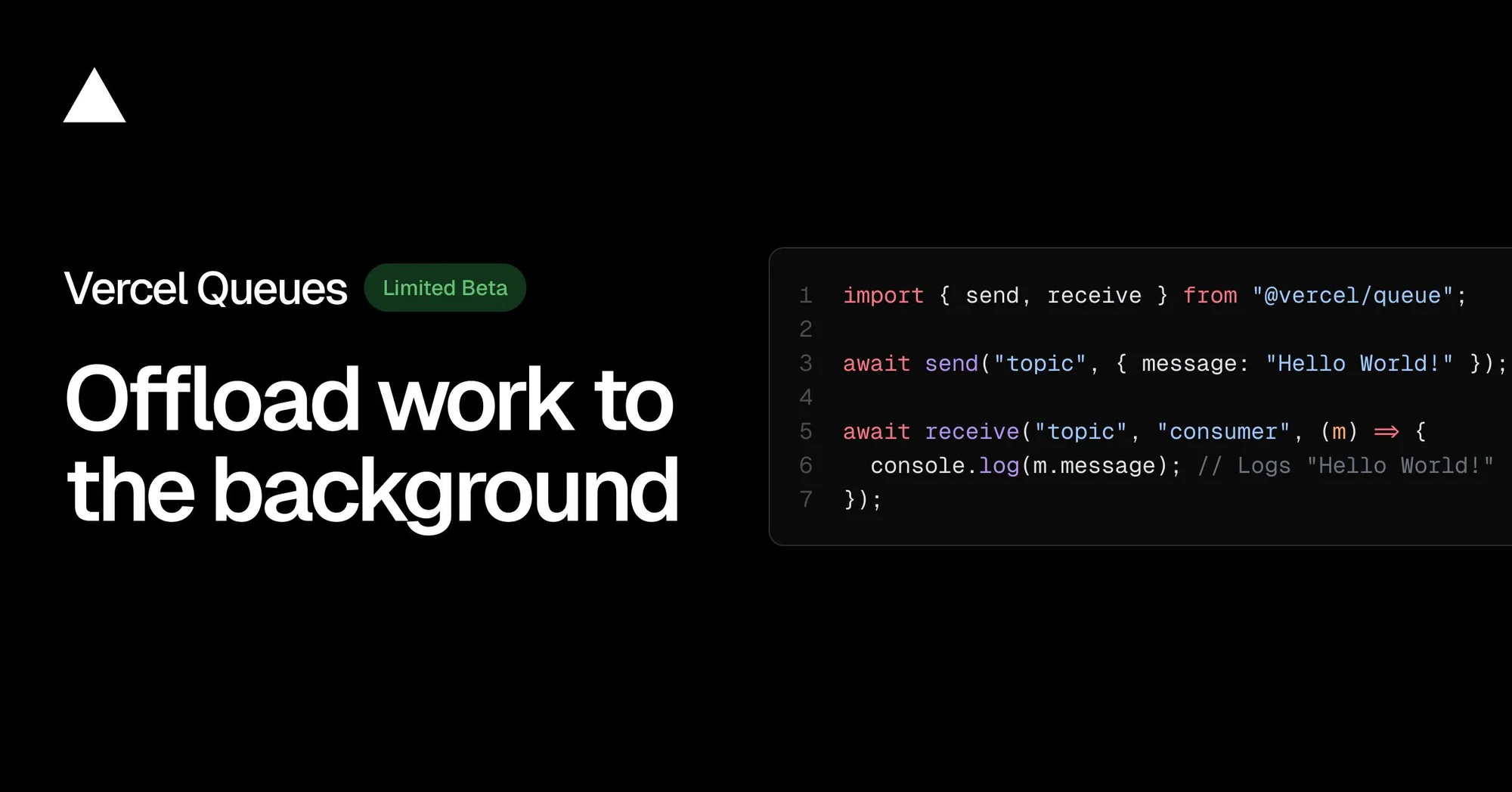
Vercel has introduced Vercel Daemons, a new capability that allows developers to run persistent background processes alongside their applications.
This is a significant expansion beyond the platform's traditional request-driven execution model.
The architectural change
Most serverless platforms are optimized around incoming requests:
HTTP Request → Function → Response
That works well for APIs and web applications.
However, many workloads don't naturally fit that model.
Examples include queue consumers, workflow workers, event processors, and autonomous agents that must continue working independently of an incoming HTTP request.
Vercel Daemons introduces another execution pattern:
Queue → Persistent Worker → Database / External Services
Daemons run containers on Vercel's Fluid Compute infrastructure.
The platform builds the container image, maintains the configured number of instances in each region, and restarts instances when they exit or crash.
Supported use cases include BullMQ, RabbitMQ, Kafka, Celery, Temporal workers, and self-hosted CI runners.
Why it matters for developers
This is particularly relevant to applications combining Next.js with background processing.
Consider an e-commerce platform.
A customer completes a payment, but the application still needs to update inventory, generate invoices, synchronize external services, and send notifications.
Those operations should not all execute inside the checkout request.
A more resilient architecture is:
Checkout API
     ↓
Database transaction
     ↓
Outbox / Queue
     ↓
Background worker
     ↓
External operations
Vercel Daemons provides a deployment option for the worker layer without requiring a separately managed server.
Engineering takeaway: Daemons makes Vercel more suitable for applications with asynchronous processing requirements. However, persistent workers still need idempotency, retry policies, dead-letter handling, and graceful shutdown behavior.
Availability: Public beta.
Vercel Drives reaches general availability — persistent storage for autonomous agents
Released: October 15, 2026
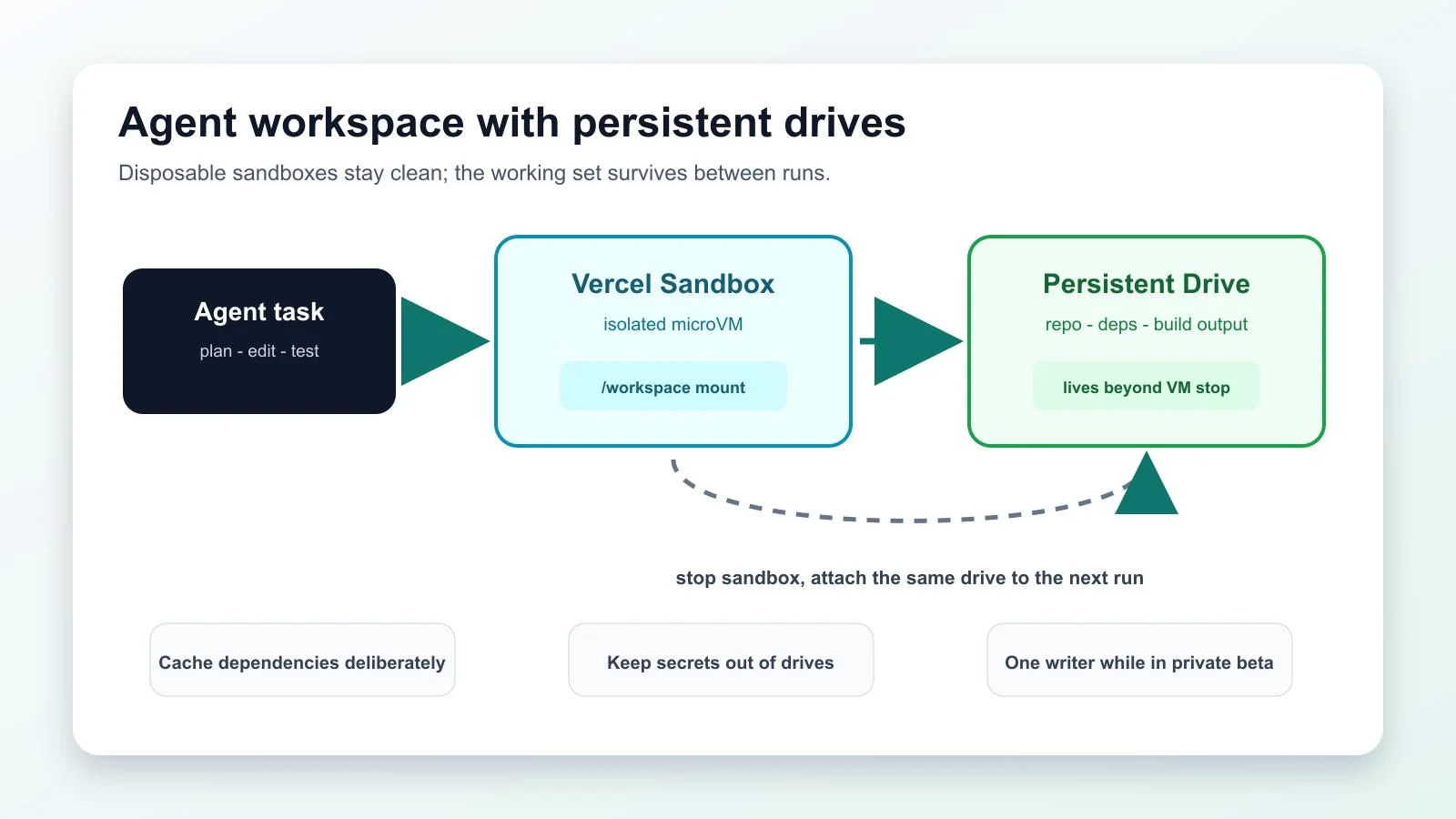
Vercel has also made Drives generally available, introducing persistent filesystem storage for its Sandbox execution environments.
This addresses an important architectural limitation of disposable execution environments.
The underlying problem
An autonomous coding agent may execute for hours across multiple environments.
During execution, it creates files, downloads dependencies, modifies source code, and generates artifacts.
If its sandbox terminates, that state can disappear unless the application explicitly persists it elsewhere.
Traditionally, developers solve this using object storage or external volumes, then reconstruct the workspace when execution resumes.
Vercel Drives separates persistent filesystem state from sandbox execution.
How it works
A Drive can be mounted as a directory inside a Vercel Sandbox.
Files remain available after the sandbox stops.
Another sandbox can mount the same Drive and continue working with those files.
More interestingly, Drives support forking.
Persistent Drive
       │
       ├── Agent A → Writable fork A
       │
       ├── Agent B → Writable fork B
       │
       └── Agent C → Writable fork C
Each fork inherits the source Drive's data but maintains independent modifications.
This allows parallel workers to start from the same filesystem state without directly interfering with one another.
Why it matters for developers
This introduces a useful primitive for building long-running coding agents.
An agent could inspect a repository in one sandbox, persist its workspace, and continue implementation in another environment with different dependencies or compute resources.
Forking also makes parallel experimentation easier.
For example, three agents could implement different solutions against the same initial codebase.
Their results could then be independently tested and compared.
Engineering takeaway: persistent agent storage should be designed independently of execution. Vercel Drives is one implementation of that principle.
For production agents, you still need explicit lifecycle management, cleanup policies, concurrency rules, and a strategy for merging filesystem changes.
Availability: Generally available across Hobby, Pro, and Enterprise.
NVIDIA open-sources Run:ai — bringing production GPU orchestration to Kubernetes
 Related illustration — AI 시대, NVIDIA Run:ai로 잠자는 GPU 자원 깨우기 | SharedIT - IT 지식 공유 네트워크
 Related illustration — GPUs Without the Headache: How to Scale AI Factory Infrastructure for Engineering Teams
 Related illustration — NVIDIA Run:ai Researcher Sandbox - WWT
 Related illustration — NVIDIA Run:ai - NVIDIA - マクニカ
 Related illustration — Related illustration
 Related illustration — Overview -
Published: October 13, 2026
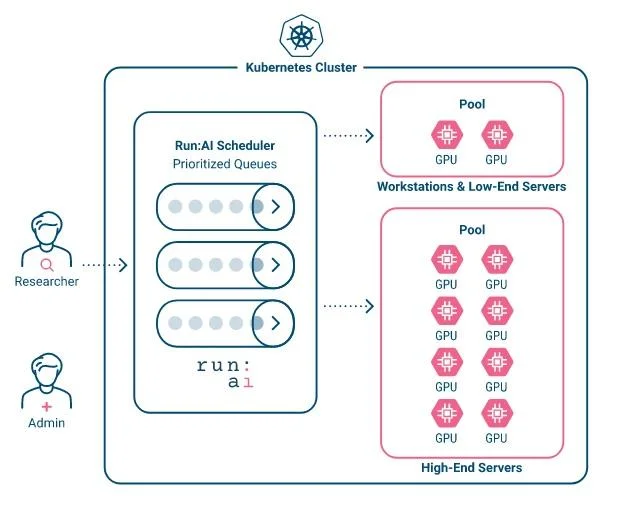
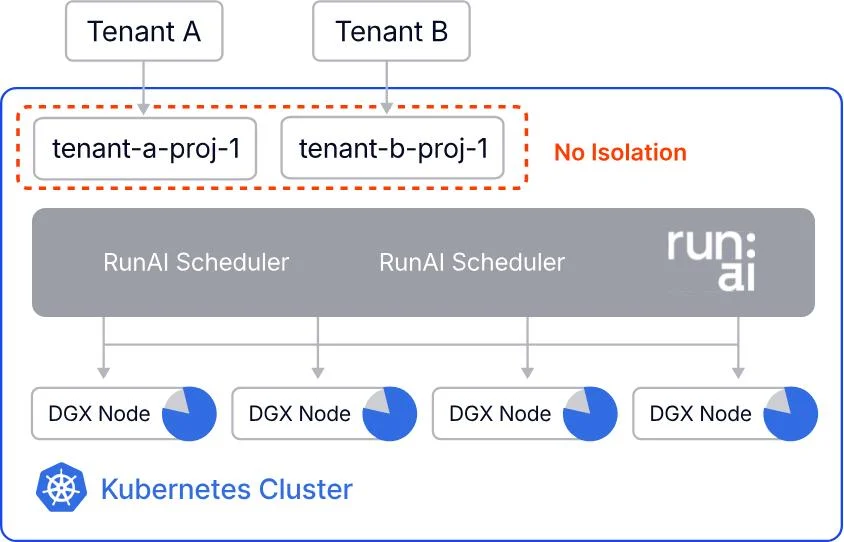
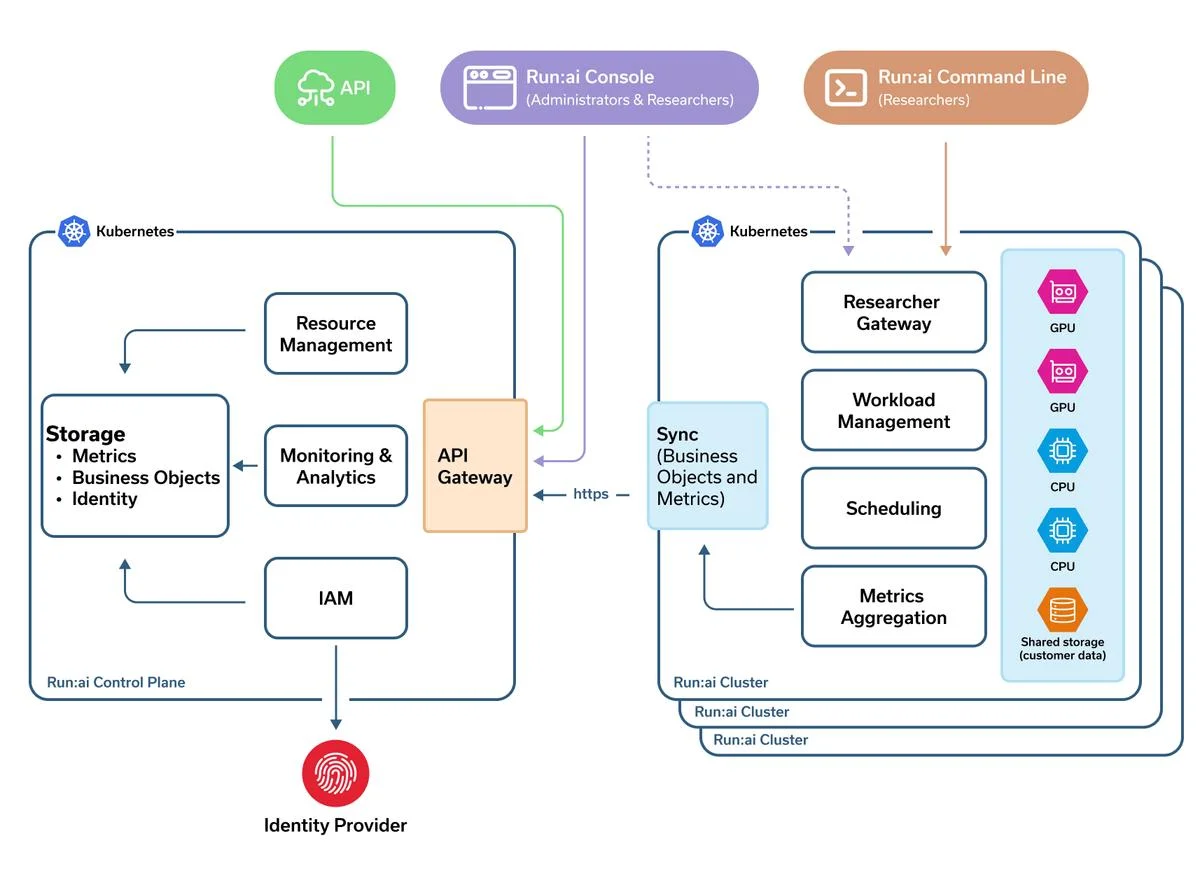
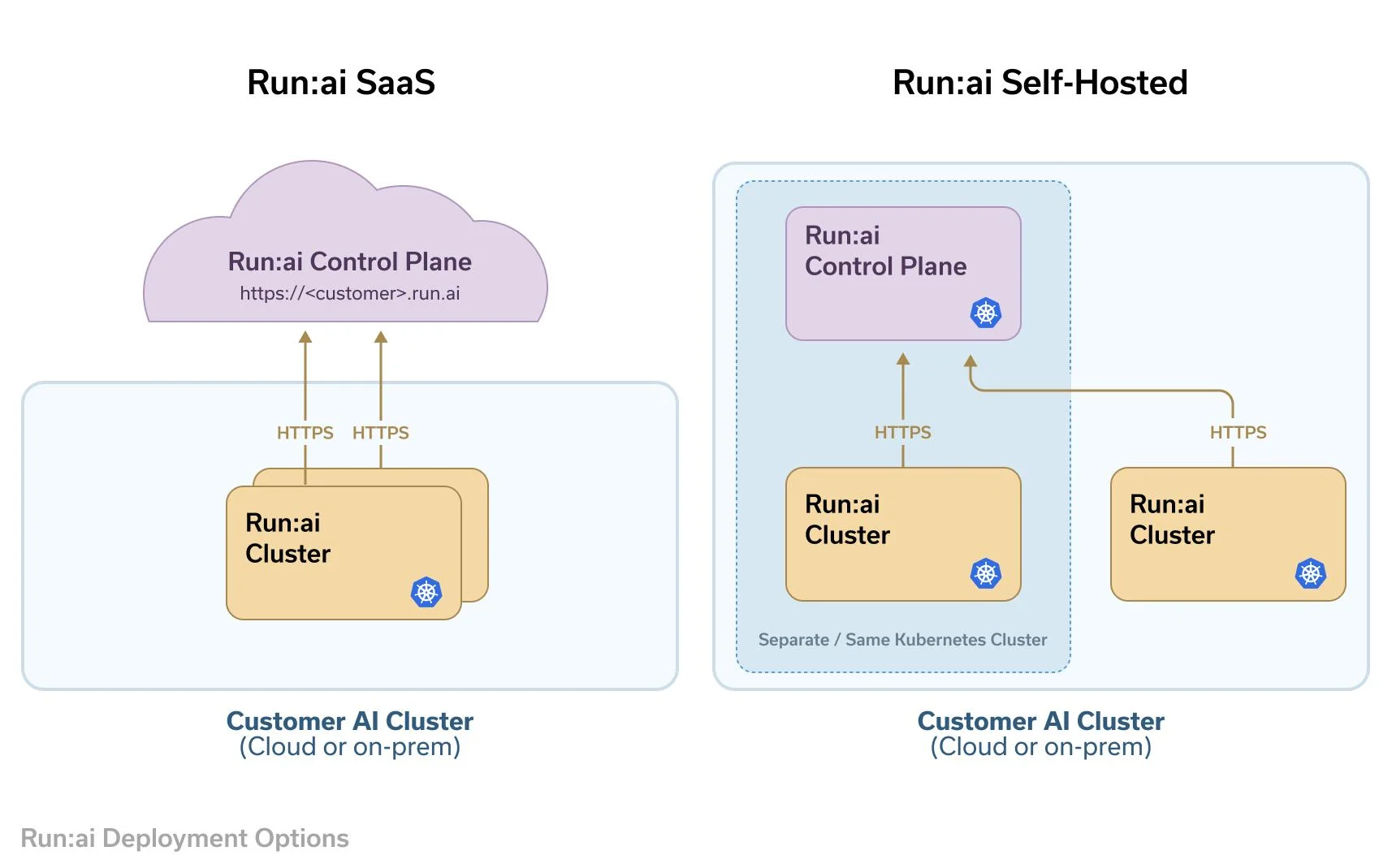
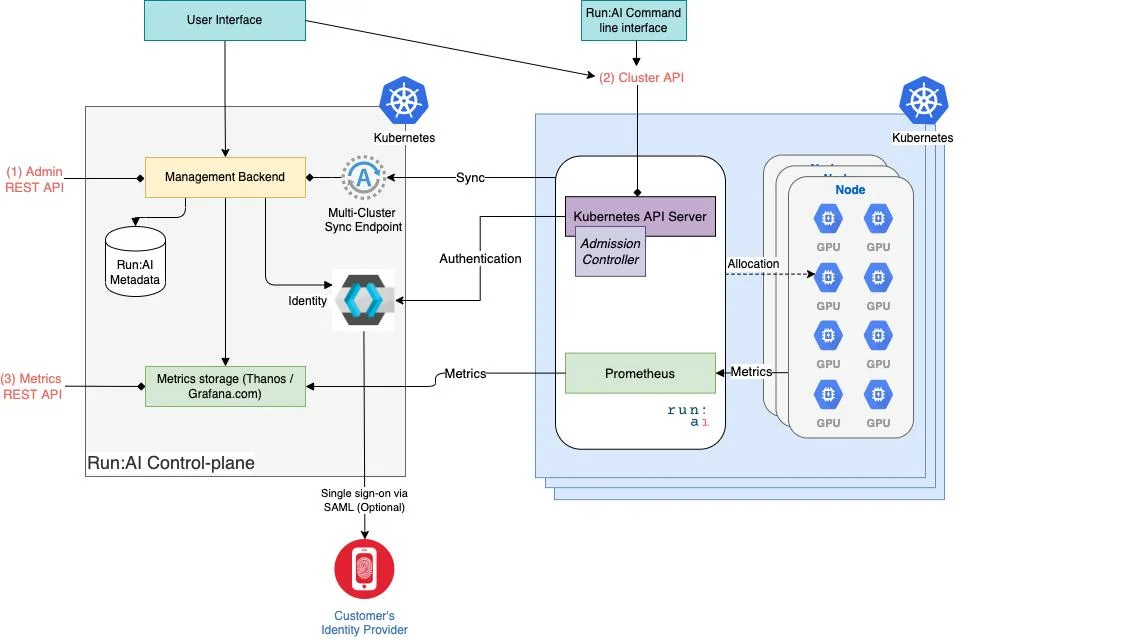
NVIDIA has released the full Run:ai platform as open-source software, making its GPU scheduling and workload-management infrastructure available for organizations operating Kubernetes-based AI systems.
This is a significant development for teams deploying their own inference infrastructure.
What's technically interesting?
Run:ai addresses a problem that becomes increasingly important as AI infrastructure grows.
GPU capacity is expensive, and conventional scheduling doesn't always utilize it efficiently.
For example, an organization may operate a cluster containing dozens of GPUs.
Some workloads require entire GPUs, while others use only a fraction of the available memory.
Without specialized scheduling, resources can remain underutilized while other workloads wait for capacity.
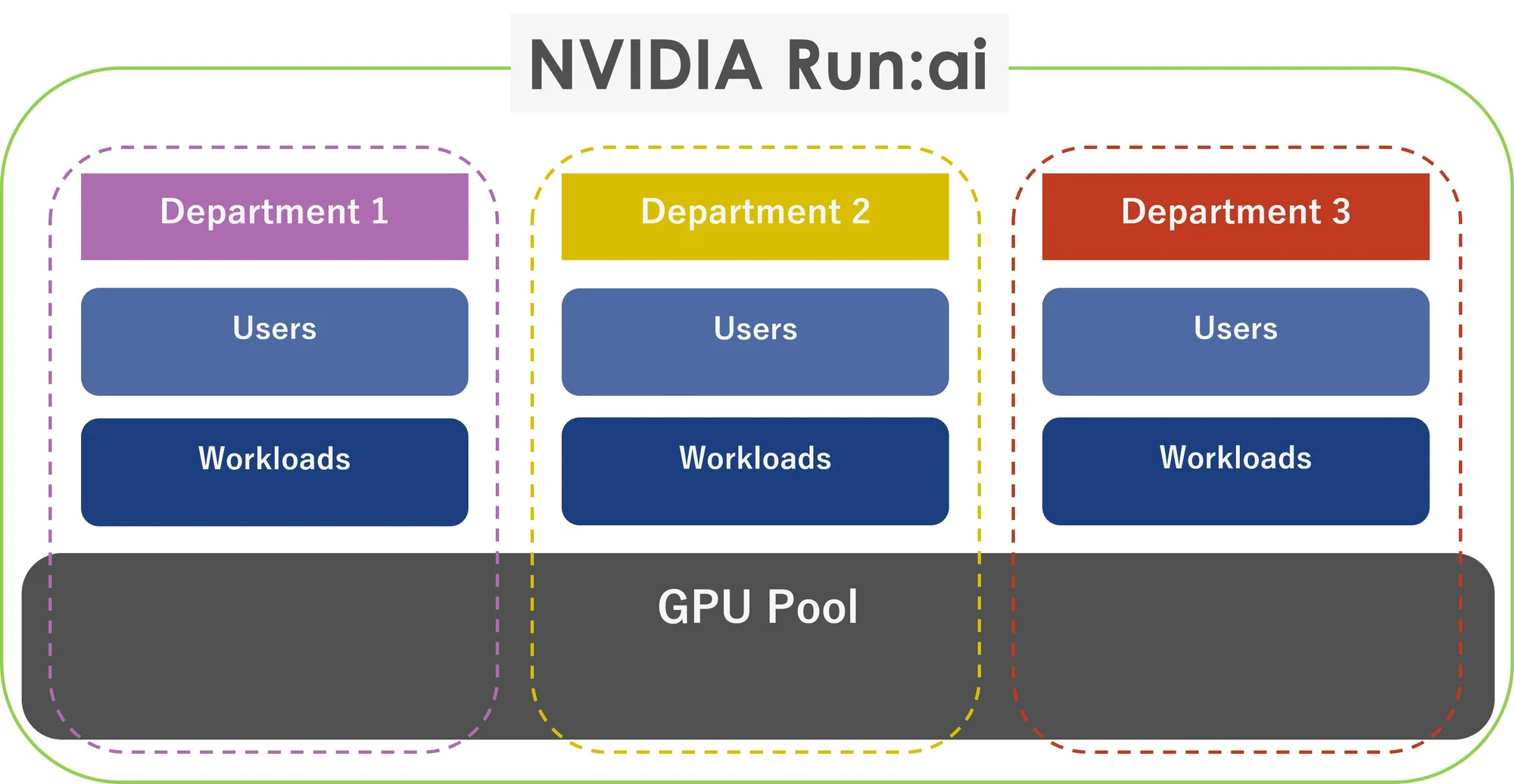
NVIDIA's open-source platform includes four major components.
KAI Scheduler: GPU-aware scheduling with gang scheduling, fair-share allocation, and topology awareness.
GPU Fractioning Operator: Allows multiple workloads to share GPU capacity using CUDA-native memory isolation.
KAI Resource Management: Handles quotas, resource guarantees, and organizational allocation.
Workload Map: Provides a common abstraction for managing different Kubernetes AI workload types.
These components can be deployed together or adopted independently.
Why it matters for developers
This is especially important for organizations hosting multiple models or running parallel agent workloads.
Consider a system with several inference services:
Inference Gateway
        ↓
GPU-aware Scheduler
        │
        ├── Coding model
        ├── Embedding model
        ├── Classification model
        └── Background evaluation jobs
Rather than statically assigning hardware to every workload, the scheduler can make placement decisions based on available capacity, workload requirements, and organizational policies.
NVIDIA also provides complementary open-source components for faster model loading and orchestration of multicomponent inference systems.
Engineering takeaway: if you're operating Kubernetes-based AI infrastructure, Run:ai is worth evaluating before developing custom GPU scheduling and resource-allocation systems.
For smaller applications relying on hosted model APIs, this infrastructure is probably unnecessary.
The bigger picture
The most important development across these five stories is the separation of AI intelligence from the infrastructure required to execute it reliably.
DeepSeek is improving the economics of coding and information retrieval. Reflection is making advanced model weights and agent tooling openly available. Vercel is introducing independent primitives for persistent execution and filesystem state. NVIDIA is opening the infrastructure required to coordinate large numbers of GPU workloads.
These developments fit into an increasingly recognizable architecture:
Model → Agent runtime → Persistent workspace → Background execution → Resource scheduler → Verification.
Three engineering lessons stand out.
First, model quality is only one variable. A less expensive model that completes tasks reliably can be more useful than a stronger model with excessive latency or operating costs.
Second, execution and state should be separate. Agents need to survive restarts, change environments, and execute concurrently without losing their work.
Third, infrastructure should match workload characteristics. Request-driven APIs, long-running workers, and GPU inference services have different scheduling and reliability requirements.
What deserves your attention first?
DeepSeek-V4.1-Flash-1017 is today's most immediately actionable release. Its improved coding benchmarks and unchanged API pricing make it a strong candidate for comparative testing.
Vercel Daemons and Drives are particularly interesting from an architectural perspective. Together, they illustrate how cloud platforms are adapting to applications that perform work continuously rather than exclusively in response to HTTP requests.
For deeper infrastructure study, NVIDIA Run:ai offers the most substantial technical material.
The central lesson: the next generation of software platforms is increasingly being designed around persistent, autonomous workloads rather than short-lived, human-initiated requests.
These briefings combine summaries of linked primary sources with engineering commentary by Emran Hejazi. Source links accompany each story so you can examine the original announcements and their claims.
Every new issue, in your feed reader.
Explore the architecture and engineering decisions behind my projects.