Today has two important open-model announcements, plus a new Google edge model and a rare GitHub architecture deep dive showing what happens when AI agents start generating Git traffic at machine scale.
Mistral launches Large 4 — a 1-trillion-parameter open-weight frontier model
Mistral opened the public preview of Mistral Large 4 (ML4, internally nicknamed “Le Chonk”) on October 6. It’s Mistral’s largest model yet: roughly 1.05 trillion total parameters with 49B active parameters, a sparse Mixture-of-Experts architecture, native multimodality and a 1M-token context window.
The model unifies instruction following, reasoning, coding and agentic execution rather than exposing separate reasoning and instruction variants. Mistral is emphasizing coding, cybersecurity, finance, manufacturing and visual grounding; its published results place ML4 among the strongest open-weight models, although those launch benchmarks should still be treated as vendor results until independent evaluations catch up.
The infrastructure story is equally interesting. Mistral says ML4 was trained from scratch on 3,800 NVIDIA Grace Blackwell GPUs in its own European datacenters. The public preview API is live now; the weights are scheduled for release later this month after an additional red-team period.
API pricing is unusually aggressive for the model class: $1.36/M input and $4.18/M output tokens, with launch pricing temporarily discounted by 50%. Cached input is $0.14/M before that launch discount. See the model documentation and pricing changelog.
Why it matters: we’re getting much closer to a world where frontier-class and self-hostable aren’t mutually exclusive. A strong 49B-active MoE is still serious infrastructure, but organizations can eventually own the weights, fine-tune them and deploy them behind their own security boundary rather than treating a proprietary API as permanent architecture.
Reflection AI unveils Beam: 501B parameters, but only 23B active
A second major open-weight model was announced almost simultaneously.
Reflection introduced Beam on October 5, its first major open-weight model, specifically targeting coding, reasoning and agentic workloads.
Beam is another sparse MoE, but the ratio is striking:
501B total parameters → only 23B active per token.
That means the model can hold an enormous amount of specialized capacity while inference touches only a small fraction of it on each forward pass.
Reflection says Beam was pretrained on 23.8 trillion tokens from curated web and licensed datasets. The post-training stage is even more interesting: its high-compute reinforcement-learning run generated more than 100 million rollouts across 10,500 NVIDIA GB300 GPUs over four weeks.
That scale illustrates how frontier development is changing. Pretraining is no longer the entire story:
large-scale pretraining
  → enormous executable RL environments
  → millions of trajectories
  → agent/coding specialization
Beam is still undergoing final red-teaming and evaluation, so its headline performance claims need independent validation. Reflection says the eventual release will include the model weights and an open software stack for deployment and customization.
Why it matters: the important metric for self-hosting increasingly isn’t the number printed after “parameters.” It’s active parameters, memory bandwidth, KV-cache requirements, quantization and communication overhead.
A 501B MoE with 23B active can have a radically different inference profile from a dense 500B model. When comparing open models for private infrastructure, start looking at active compute, not just total parameter count.
Google releases EmbeddingGemma 2 — multimodal RAG in 740M parameters
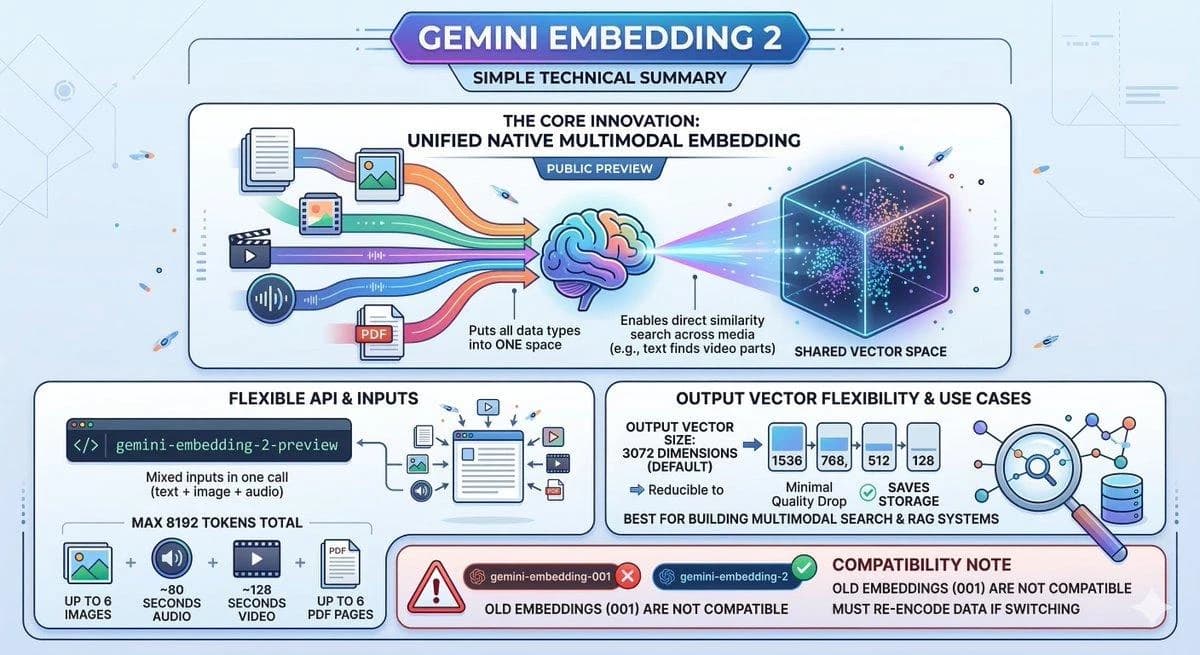 Related Gemini embedding illustration — Harshith (@HarshithLucky3) on X
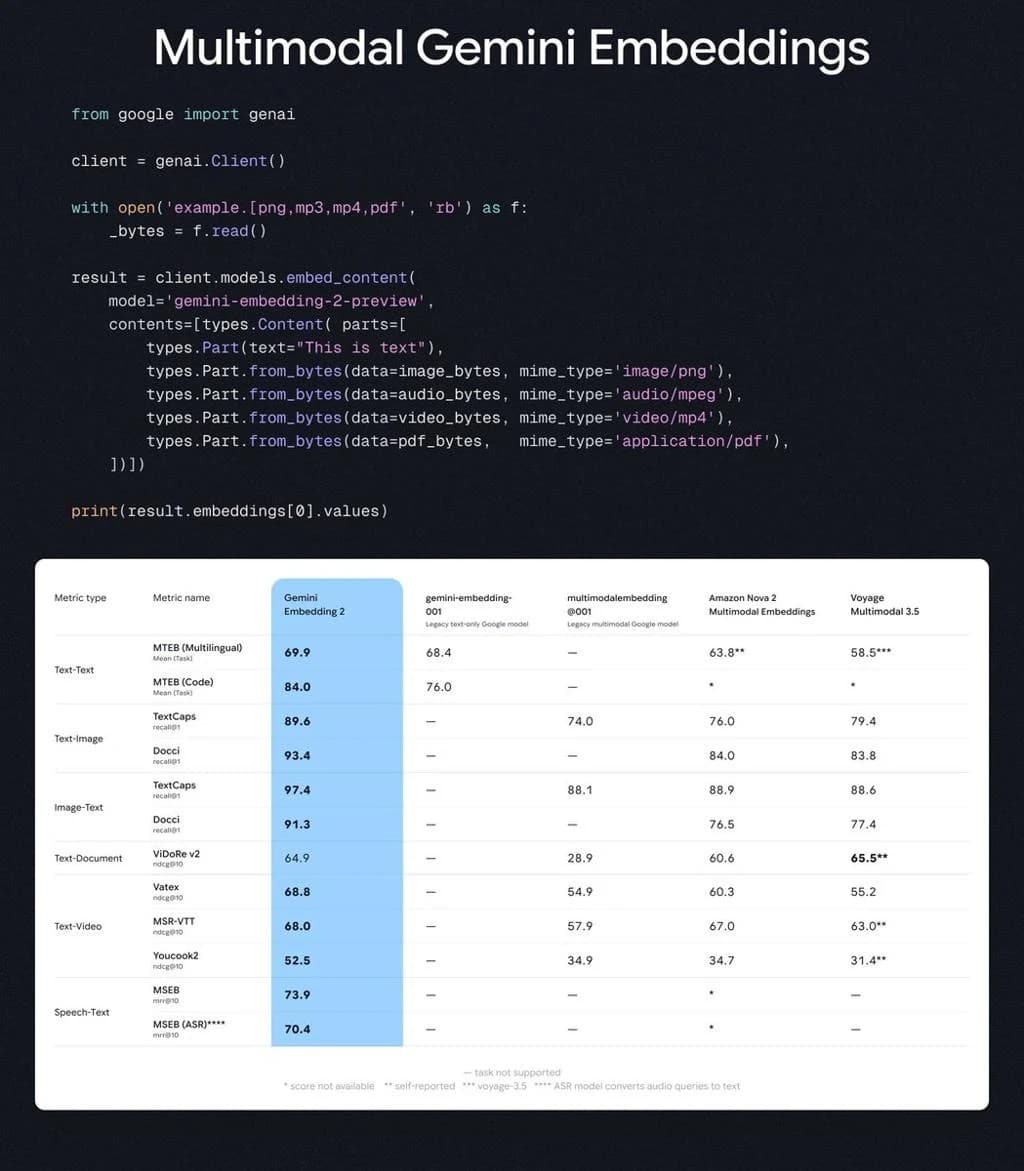 Related Gemini embedding illustration — Philipp Schmid (@_philschmid) on X
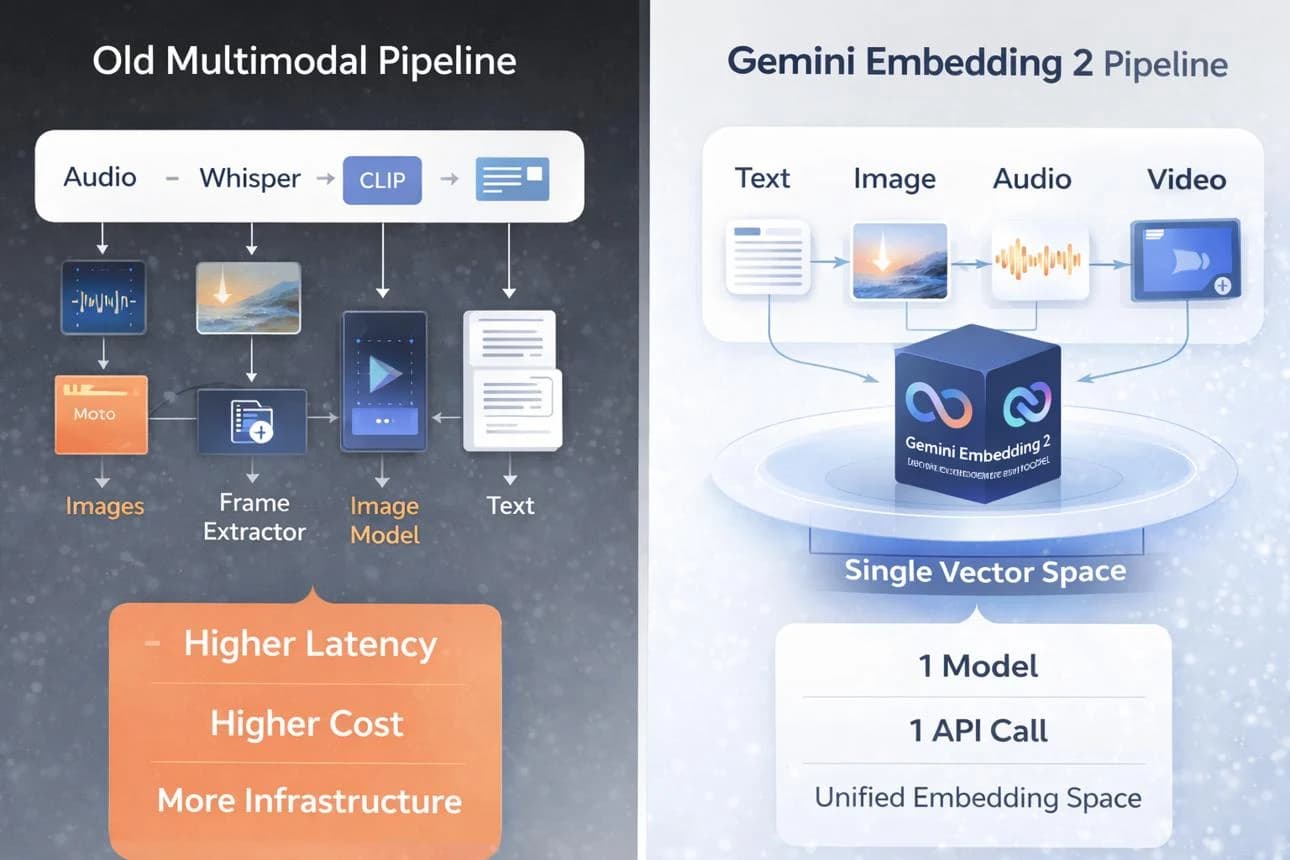 Related Gemini embedding illustration — Gemini Embedding 2: First Multimodal Embedding Model (2026)
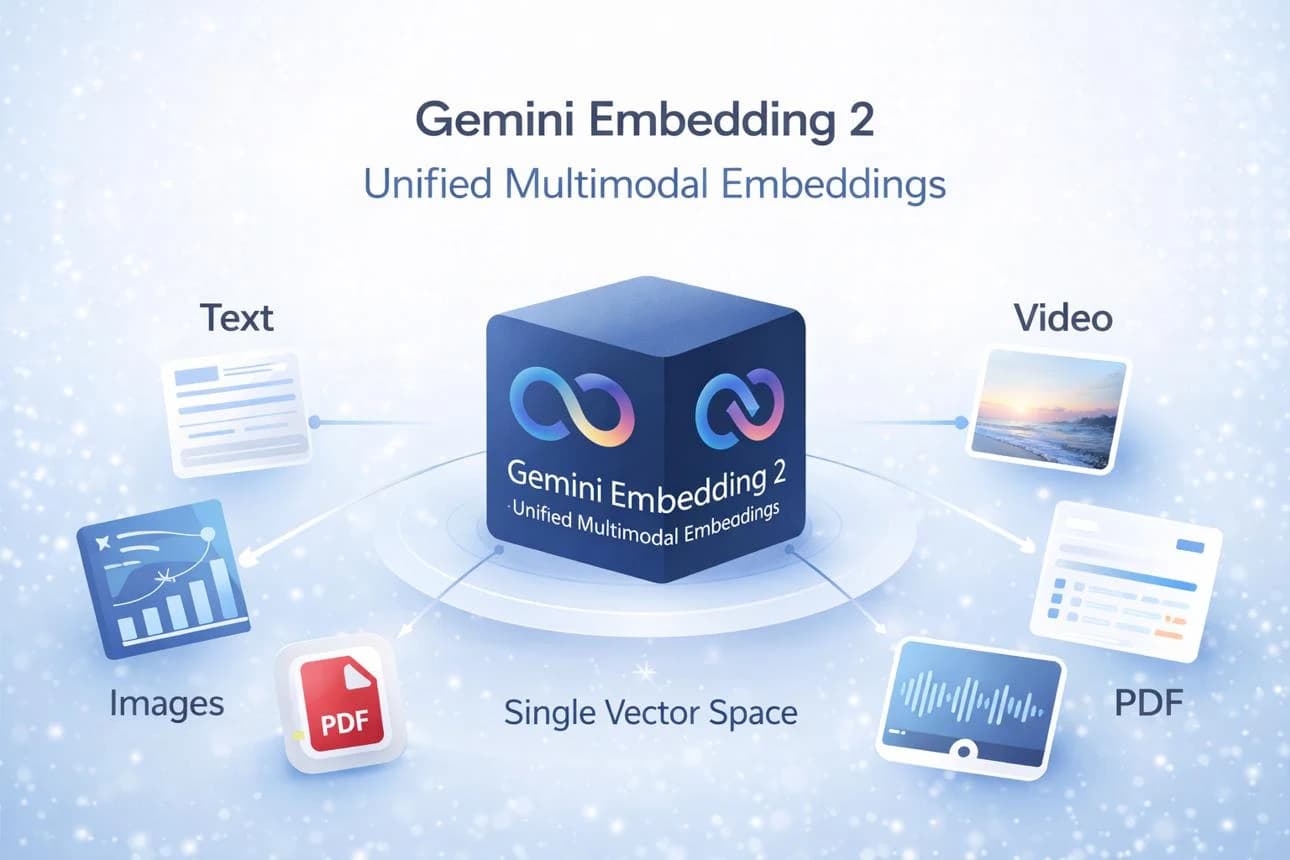 Related Gemini embedding illustration — Gemini Embedding 2: First Multimodal Embedding Model (2026)
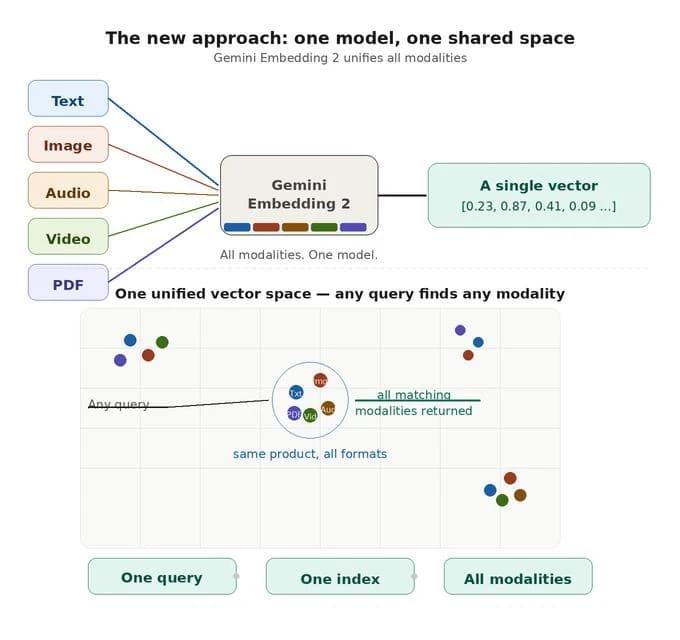 Related Gemini embedding illustration — Google’s Gemini Embedding 2: The Dawn of True Multimodal AI Integration | by Ayushupadhyay | Mar, 2026 | Medium
Google announced EmbeddingGemma 2 on October 6, and this may be the most immediately usable release in the briefing.
It’s an open-weight 740M-parameter multimodal embedding model capable of placing text, code, images, video and audio into a shared 768-dimensional vector space.
The architecture is modular. If you only need text and code, the system can operate with roughly 270M parameters; Google’s quantized text-only configuration can use about 191 MB of active RAM. Loading the full multimodal stack requires roughly 567 MB on Google’s Pixel 11 Pro reference implementation.
That enables something considerably more useful than conventional text RAG:
code ────────┐
screenshot ──┤
diagram ─────┤ → same embedding space → retrieval
audio ───────┤
video ───────┘
Google also highlights using the embeddings as an ultra-low-latency on-device decision engine, so some routing/classification tasks don’t need a generative model at all.
The model is released under Apache 2.0 and is designed for local execution. Google’s model announcement includes the architecture and licensing details.
Why it matters: private RAG no longer needs to mean text-only RAG. A coding assistant could locally index source files, architecture diagrams, screenshots, recorded bug reproductions and design references without sending those assets to a cloud embedding API.
For developer tools, that is a much more interesting retrieval substrate than another slightly better text embedding model.
GitHub is rebuilding Git infrastructure because agents are writing too much code
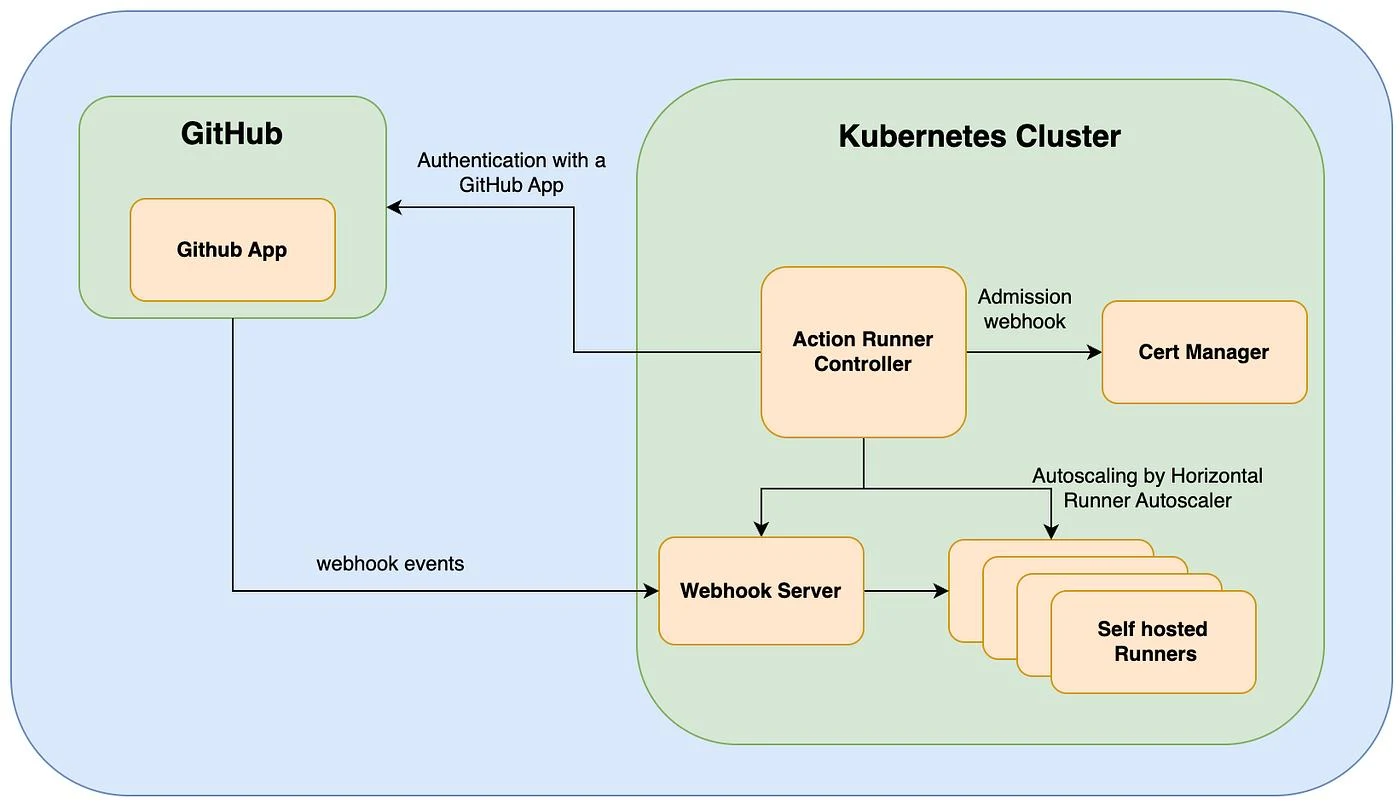 Github Self-Hosted Runners on Kubernetes with Actions Runner Controller | by Karan Thakur | Moss Engineering | Medium
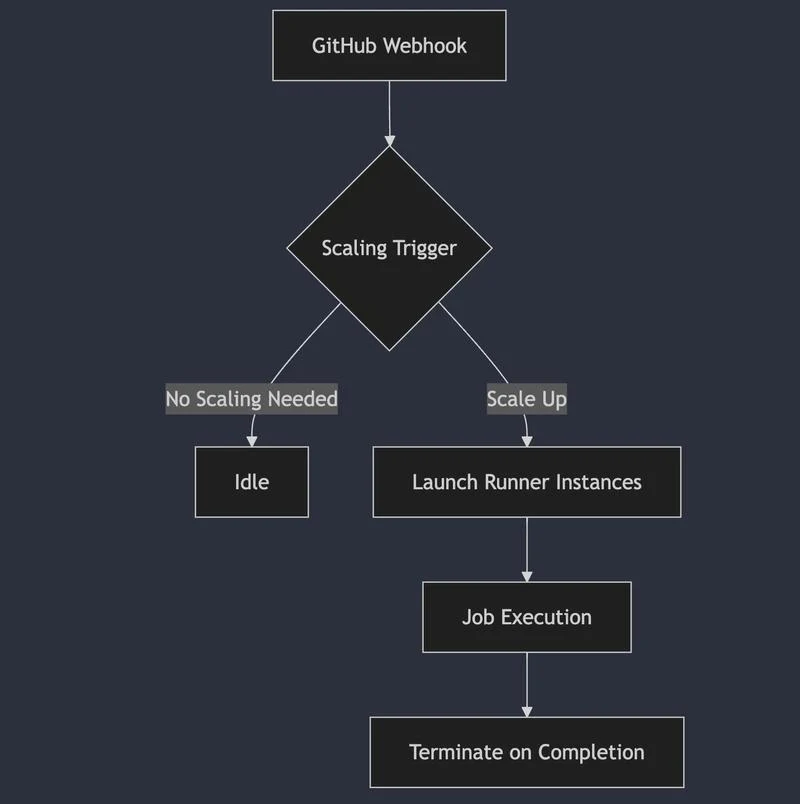 Deep dive: optimizing self-hosted GitHub Actions Runners on AWS and GCP for cost efficiency - DEV Community
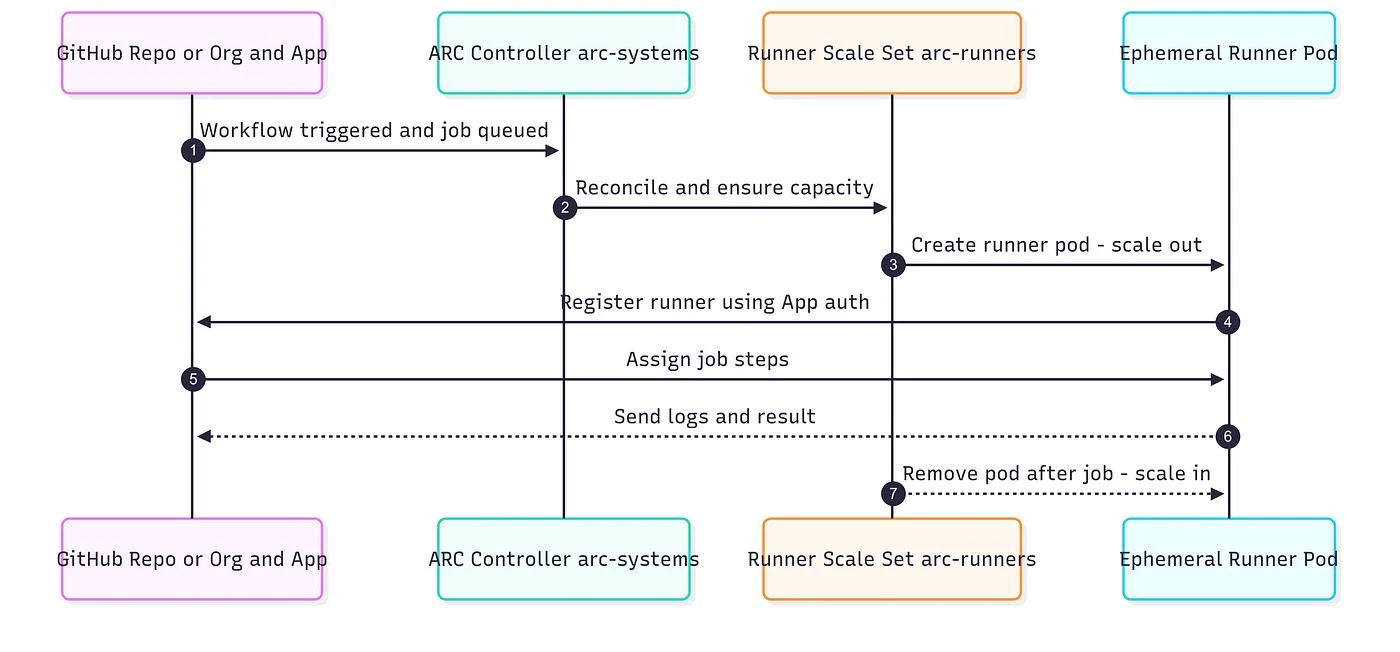 Deploying GitHub Actions Runner Controller on Kubernetes with GitHub App Authentication | by Sean Zheng | Medium
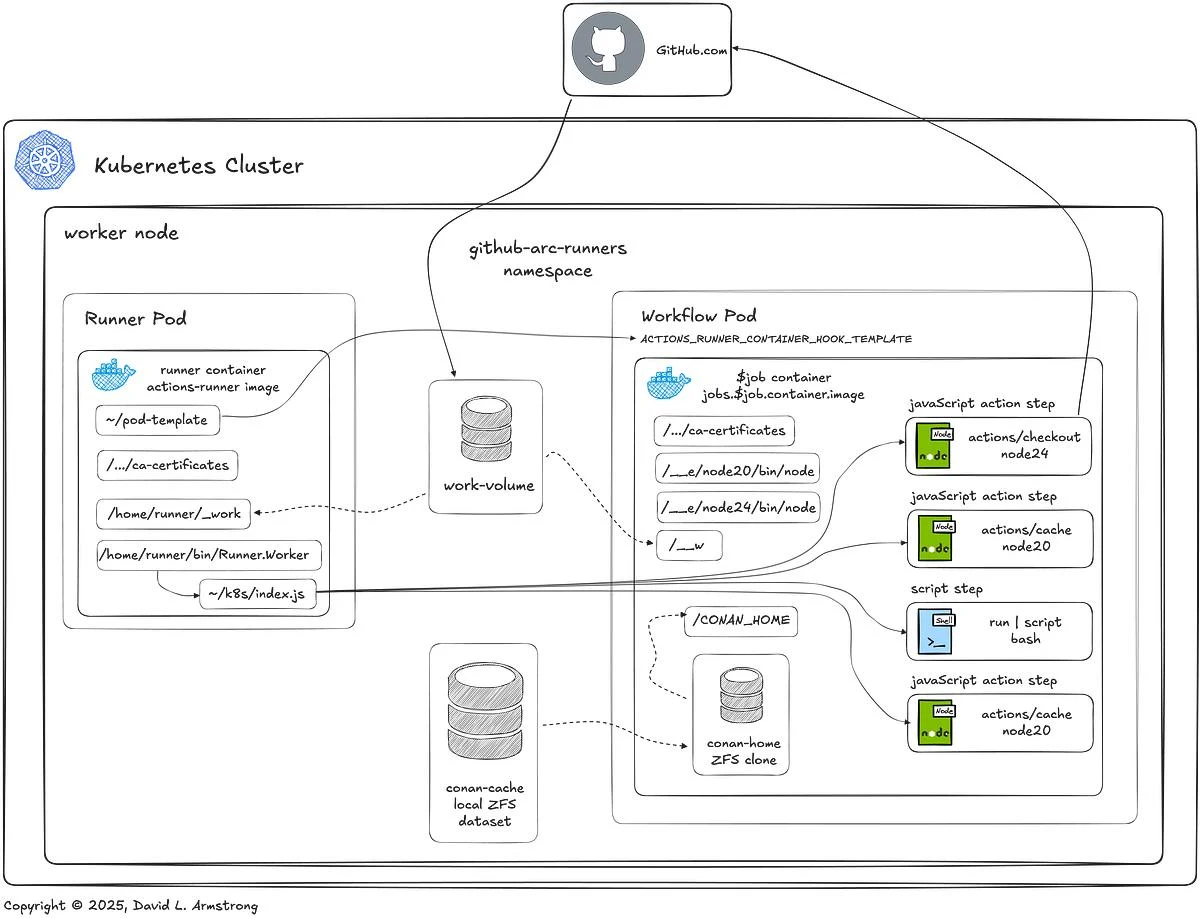 Related runner troubleshooting illustration — Medium
GitHub published an unusually valuable architecture article on October 6 explaining how agentic development is changing the assumptions underneath GitHub itself.
The problem isn’t simply that agents generate more code. They generate more concurrent repository writes.
Humans tend to work in comparatively slow cycles:
edit → think → test → commit → push
Agents can instead produce many branches, commits, refs, rebases and pushes simultaneously across the same repositories. GitHub says that acceleration is creating pressure on systems shared by essentially every repository on the platform.
GitHub’s response is a new architecture built around distributed-systems principles rather than assuming repository writes remain human-scale. The design has to preserve Git semantics while scaling concurrency and isolating workloads so one high-volume repository—or swarm of agents—doesn’t degrade unrelated repositories.
This is a subtle but important consequence of AI adoption:
software-generation throughput is becoming infrastructure load.
An agent that produces code 20× faster can also generate Git operations, CI jobs, artifact uploads, code-review events, security scans and deployment previews at roughly machine rather than human cadence.
Why it matters: if you’re introducing parallel coding agents internally, don’t benchmark only “how fast did the ticket finish?” Measure the downstream amplification:
agents → Git writes → CI → test compute → preview environments → review → observability.The bottleneck can simply move from developer time into your infrastructure bill.
GitHub discovered that agent activity was disappearing from Copilot metrics
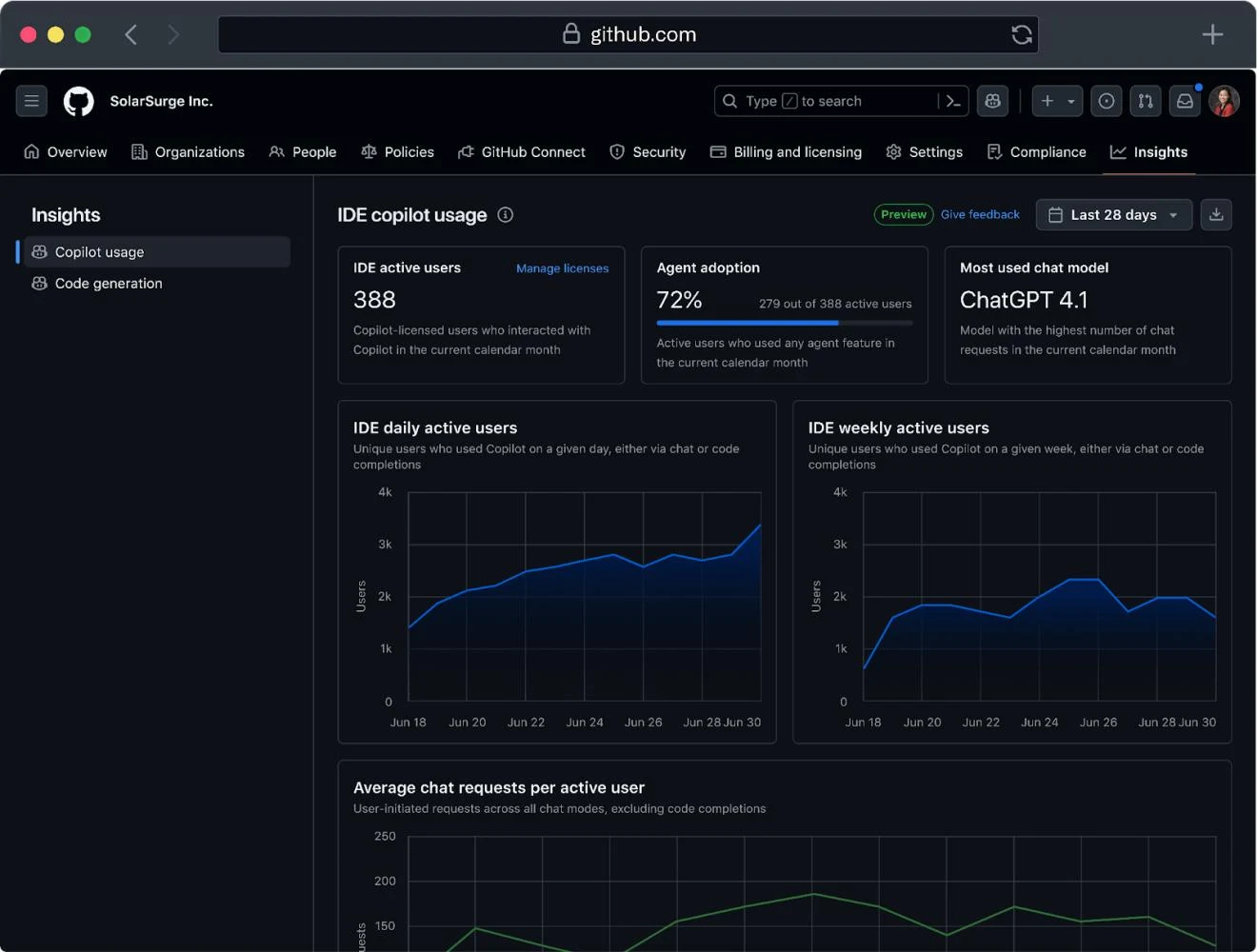 Measure what matters: How the GitHub Copilot metrics dashboard helps you prove AI ROI
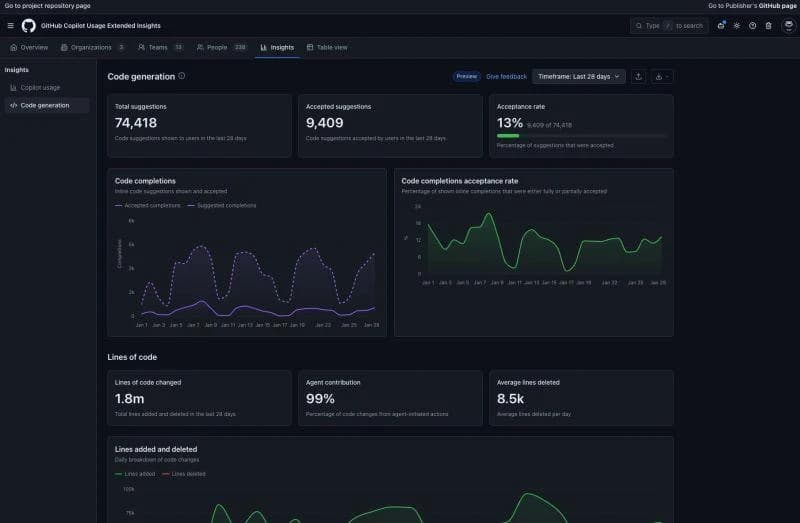 GitHub Copilot Usage Insights Dashboard Built with Open-Source Code | Ben Dali posted on the topic | LinkedIn
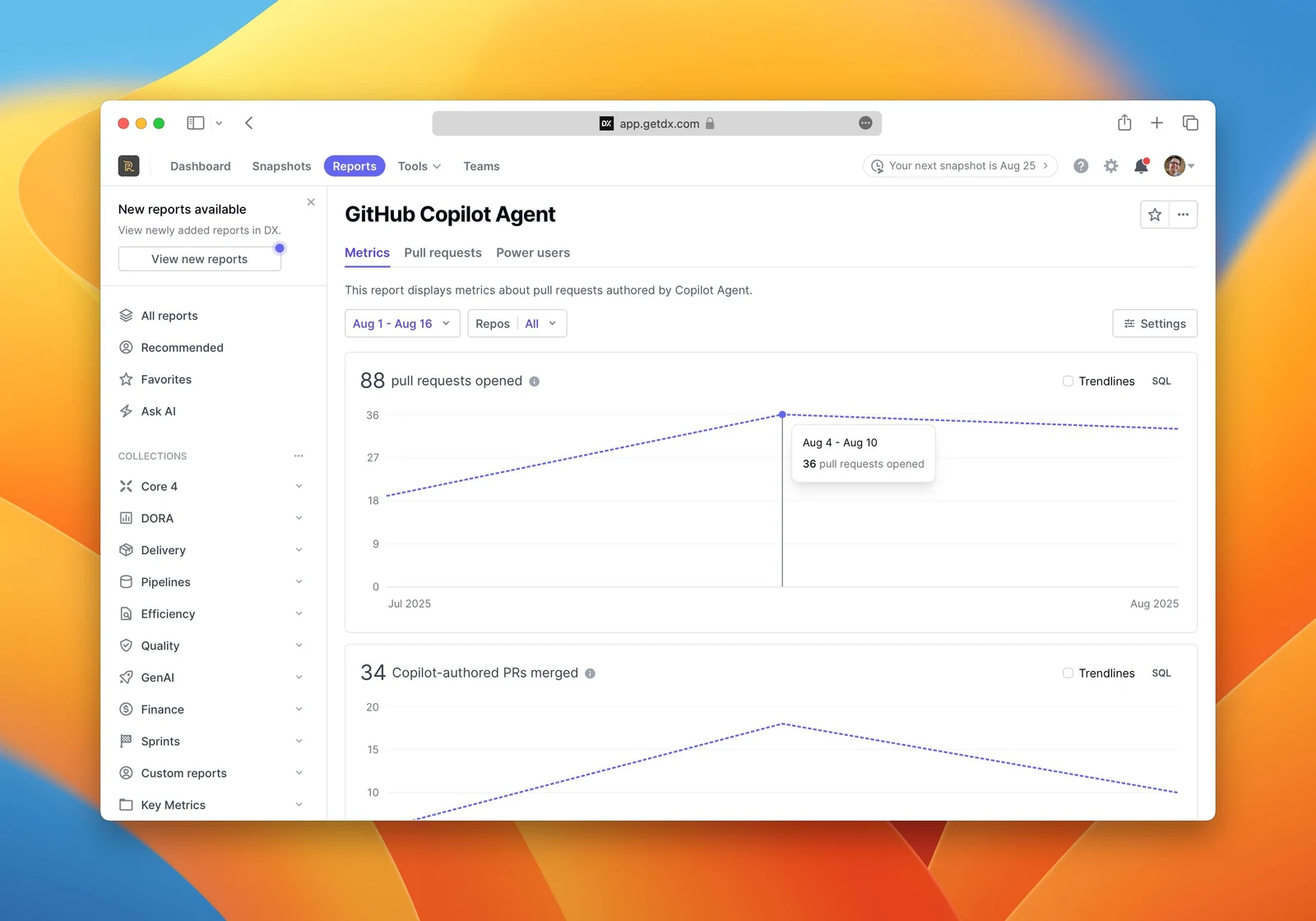 DX expands GitHub Copilot integration to measure impact of Agentic AI
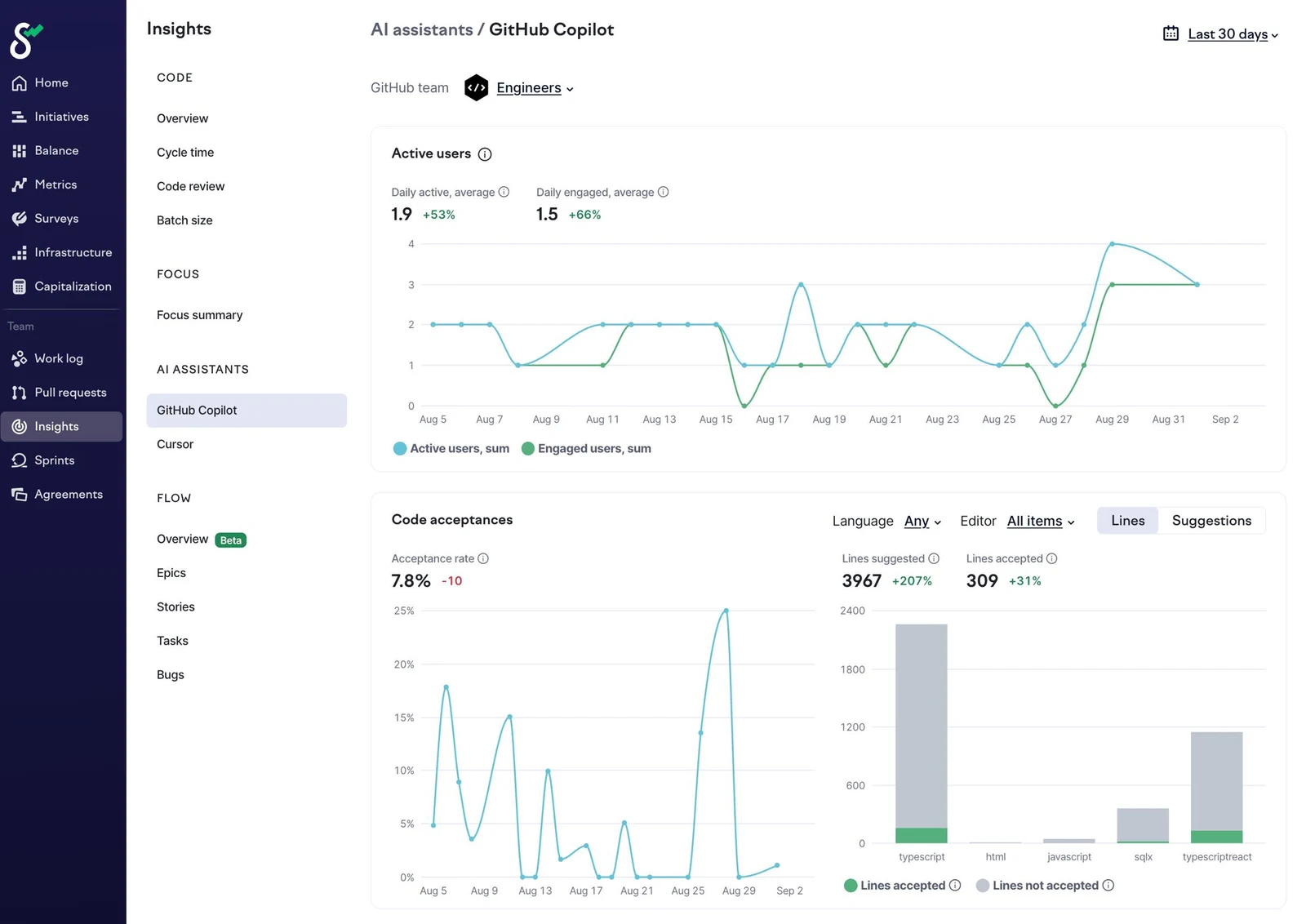 GitHub Copilot activity breakdown | Swarmia docs
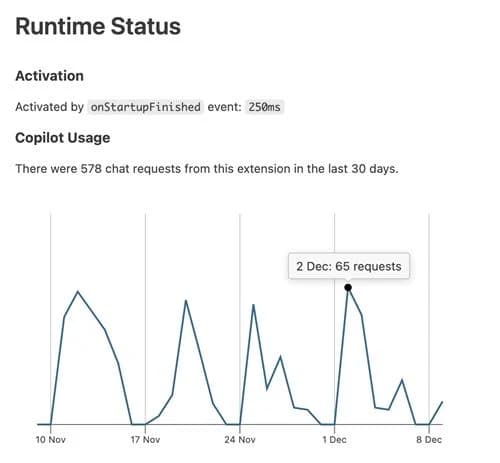 Related editor illustration — VS Code, November 2024
GitHub disclosed an interesting observability failure on October 6.
Several IDE integrations recently migrated Copilot agent sessions onto the Copilot SDK. Those sessions stopped carrying enough information to identify the IDE that originated them. As a result, significant agent activity wasn’t attributed correctly: much of it disappeared from usage reports, while some was incorrectly counted as Copilot CLI activity.
The underlying failure is a classic distributed-observability problem:
IDE
 ↓
shared SDK
 ↓
agent runtime
 ↓
telemetry
Once an abstraction layer erased the originating context, downstream analytics could no longer reconstruct it.
GitHub is rolling fixes through its IDE integrations and recommends updating them to restore correct attribution.
It sounds like a minor metrics bug, but there’s an important architectural lesson here.
Agent systems introduce many intermediary layers—SDKs, routers, model gateways, MCP servers, sandboxes and tool proxies. If correlation metadata isn’t propagated end to end, you’ll eventually know that something happened without knowing which developer, agent, model, tool or environment caused it.
Why it matters: treat agent telemetry like distributed tracing. Preserve stable session IDs and attributes across every boundary:
user → IDE → agent → model → tool → sandbox → CI.Without that, cost attribution, debugging, security investigations and agent-quality measurement all become unreliable.
The bigger picture
Today’s strongest signal is the collision of open models and systems engineering. Mistral and Reflection are making powerful models increasingly ownable; Google is pushing multimodal intelligence down onto local devices; meanwhile GitHub is discovering that once those models start acting autonomously, even decades-old infrastructure assumptions about repository traffic and telemetry need to change.
The next generation of developer platforms therefore won’t just need better models. They’ll need to be designed for machine-scale developers—developers that can generate, test, commit, review and iterate continuously rather than at human speed.
These briefings combine summaries of linked primary sources with engineering commentary by Emran Hejazi. Source links accompany each story so you can examine the original announcements and their claims.
Every new issue, in your feed reader.
Explore the architecture and engineering decisions behind my projects.