Today's briefing covers five significant developments from October 6–7, without repeating yesterday's stories.
The biggest news: Anthropic has launched an exceptionally inexpensive coding-capable model, Microsoft is bringing frontier-class AI onto local computers, and GitHub is making agent security a first-class part of development infrastructure.
Claude Haiku 5.5 launches — 90% cheaper tokens and surprisingly strong coding performance
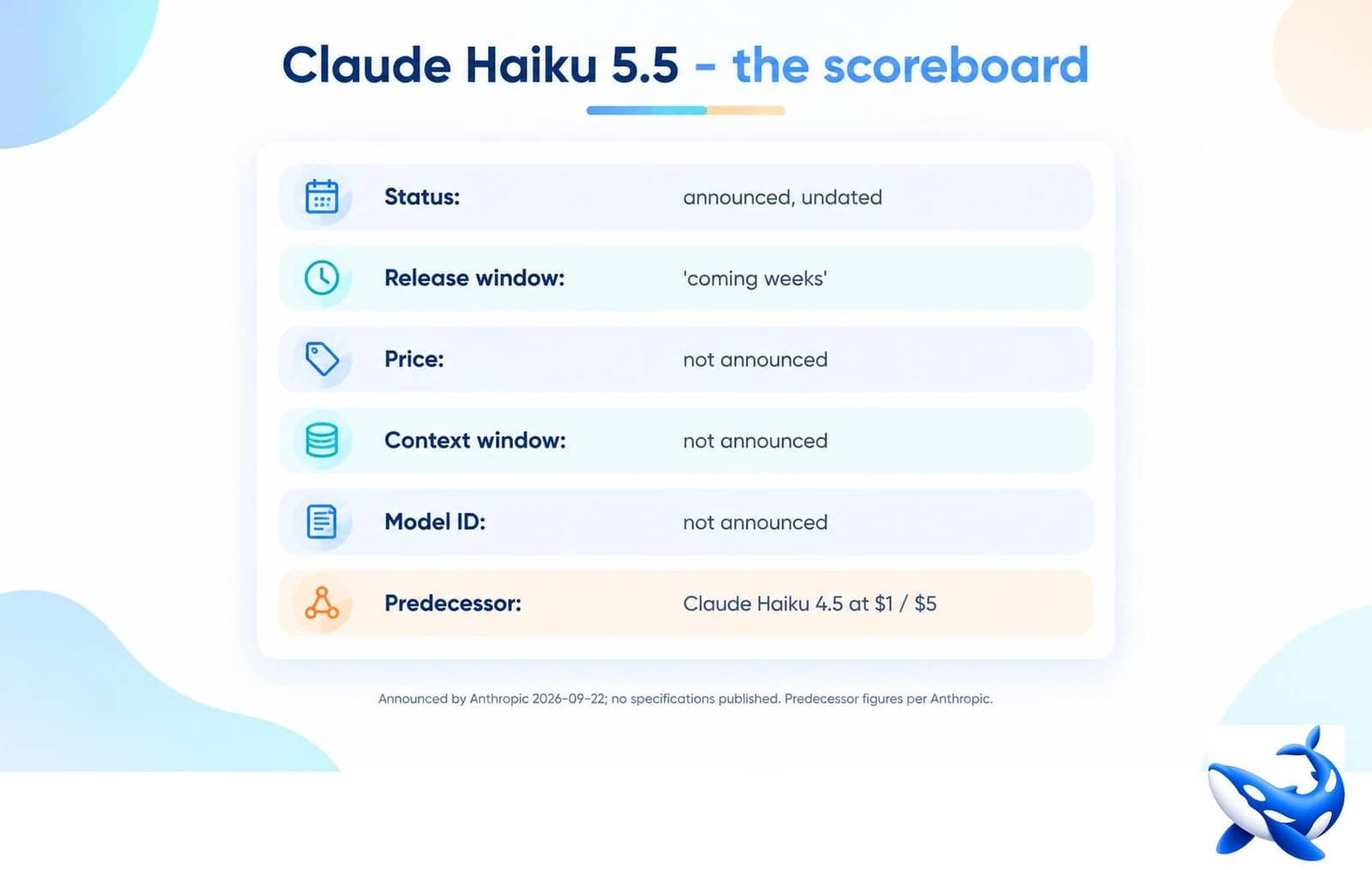
Released: October 7, 2026
Anthropic has released Claude Haiku 5.5, its fastest and most cost-efficient small model to date.
The most important development isn't simply another benchmark improvement. It's the economics.
For prompts up to 100,000 tokens, API pricing is now $0.10 per million input tokens and $0.50 per million output tokens. That's a 90% reduction in per-token pricing compared with Haiku 4.5. Longer prompts use a higher pricing tier. Anthropic estimates typical workloads cost approximately 75% less overall.
Despite its price, Anthropic reports meaningful capabilities:
| Benchmark | Haiku 5.5 | Sonnet 5.5 |
|---|---|---|
| Terminal-Bench 4.0 | 39.2% | 70.6% |
| FrontierCode 1.1 | 46.4% | 52.1% |
| OSWorld 2.1, offline subset | 72.4% | 83.9% |
These are Anthropic's published results, not independent measurements. Haiku 5.5 also introduces adjustable reasoning effort and is available through the Claude API, major cloud platforms, Claude Code, and GitHub Copilot.
Why it matters for developers
This changes the economics of multi-agent architectures.
Imagine an engineering agent that delegates repository exploration, documentation lookup, classification, summarization, and small code modifications to inexpensive workers.
Instead of paying frontier-model prices for every operation, you can use:
Opus/Sonnet → planning and complex implementation → Haiku subagents → verification
The important distinction is that Haiku is not a universal replacement for larger models. Anthropic's own Terminal-Bench results show a substantial gap on complex terminal tasks.
Engineering takeaway: benchmark Haiku 5.5 for high-volume, narrowly scoped operations. Reserve expensive reasoning models for tasks where their additional capability changes the outcome.
Microsoft brings frontier-class coding AI to local PCs — and makes agent isolation generally available
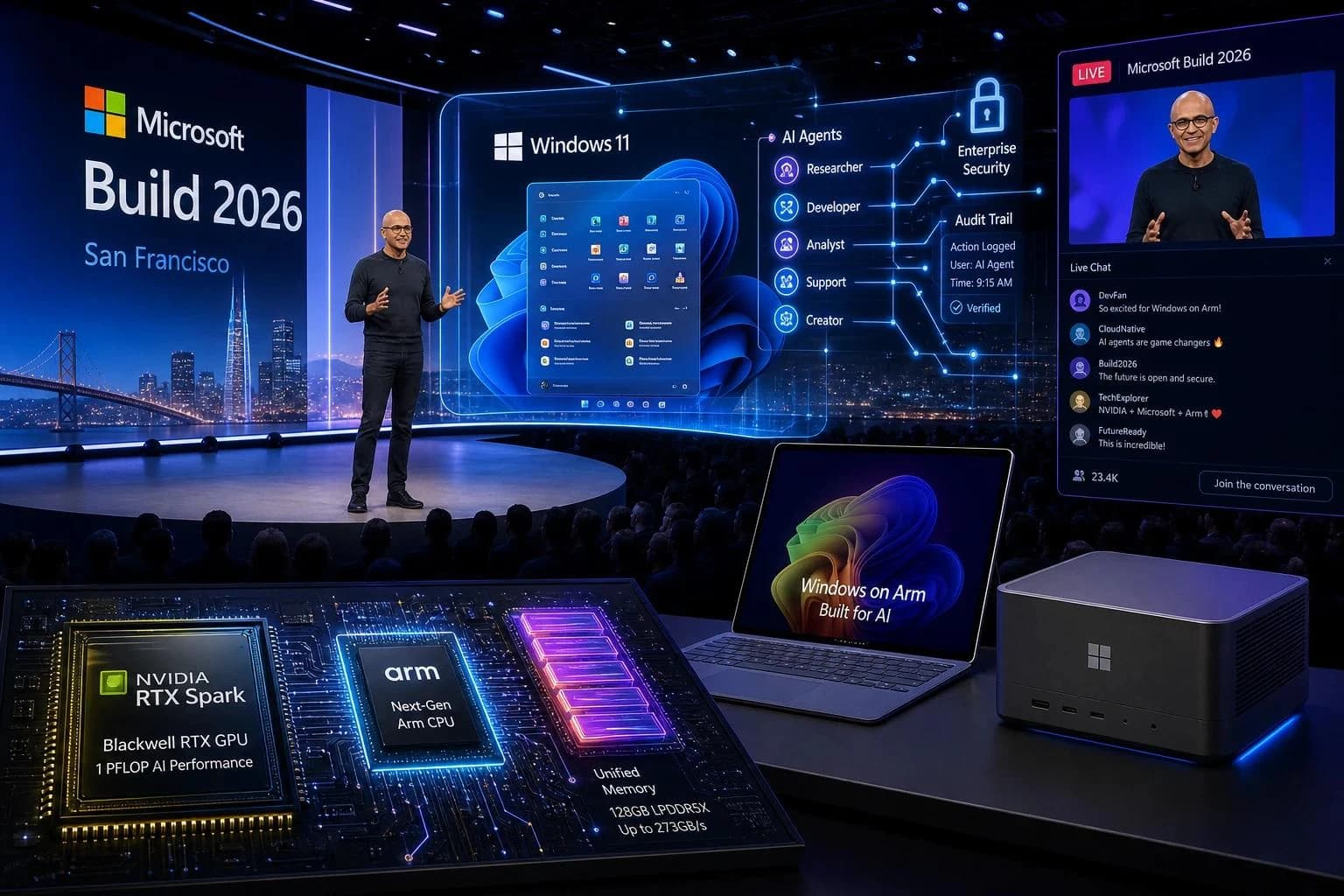 Related illustration — Windows AI agents and RTX Spark — Windows Forum
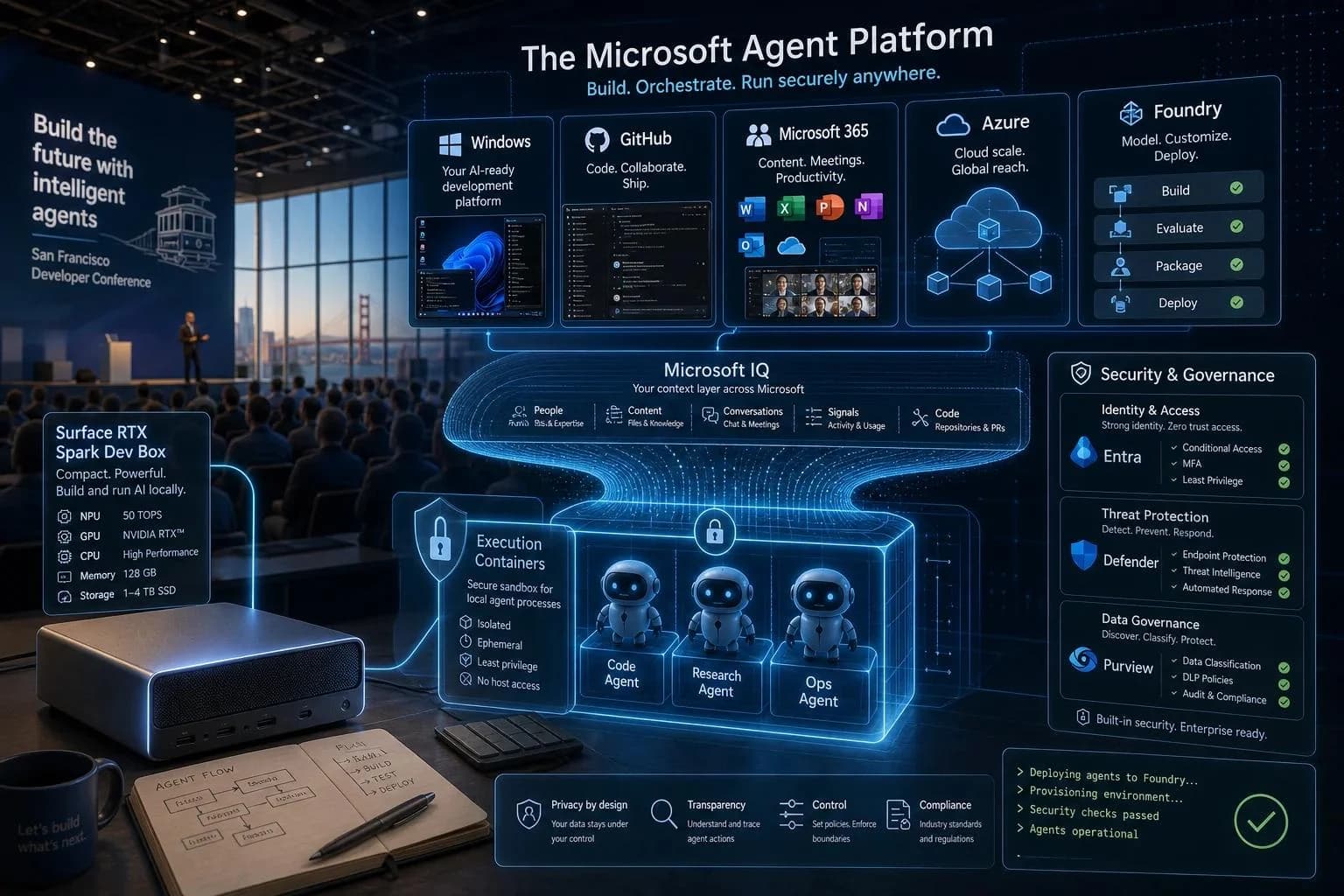 Related illustration — Windows agent platform — Windows Forum
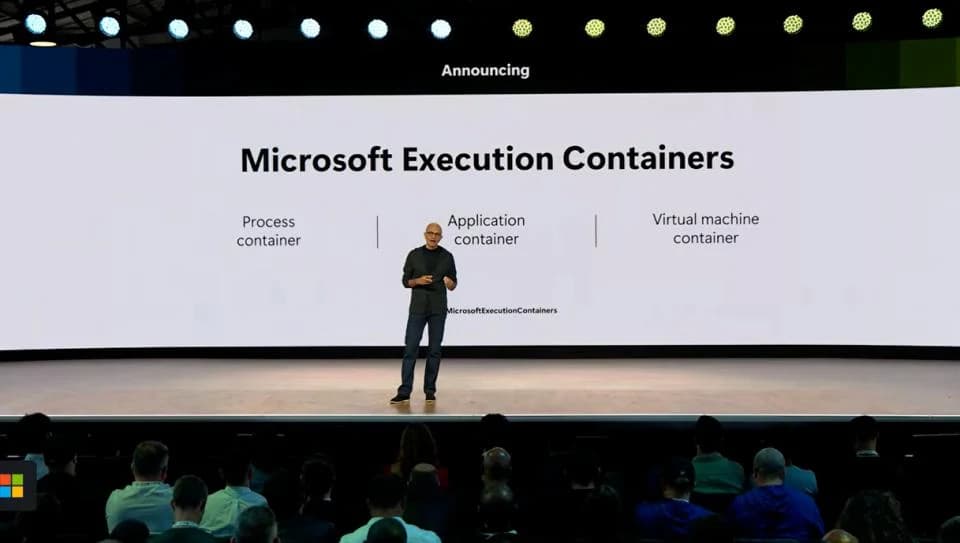 Related illustration — Microsoft models at Build 2026 — MyToken
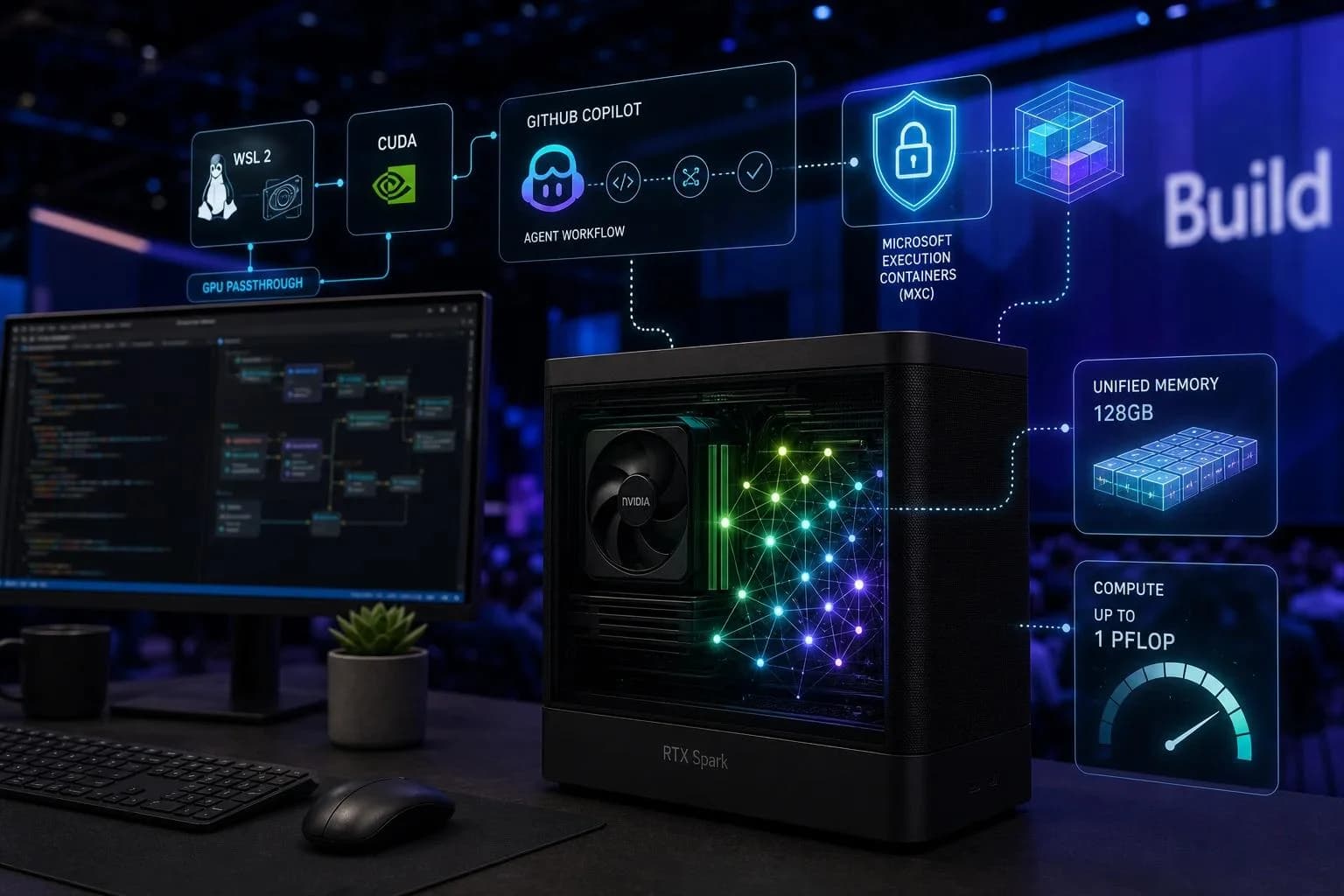 Related illustration — Surface RTX Spark development workstation — Windows Forum
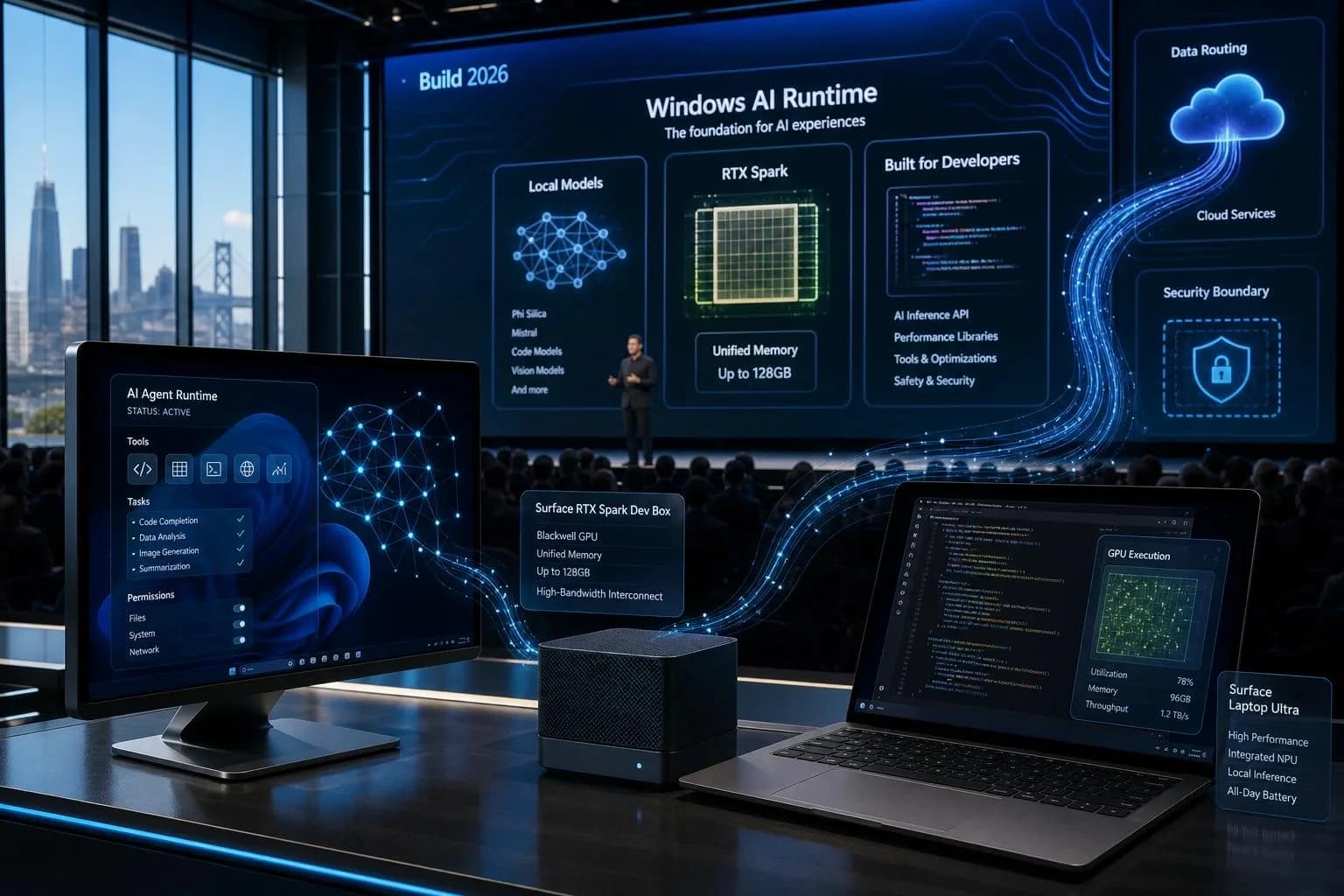 Related illustration — Windows local AI runtime — Windows Forum
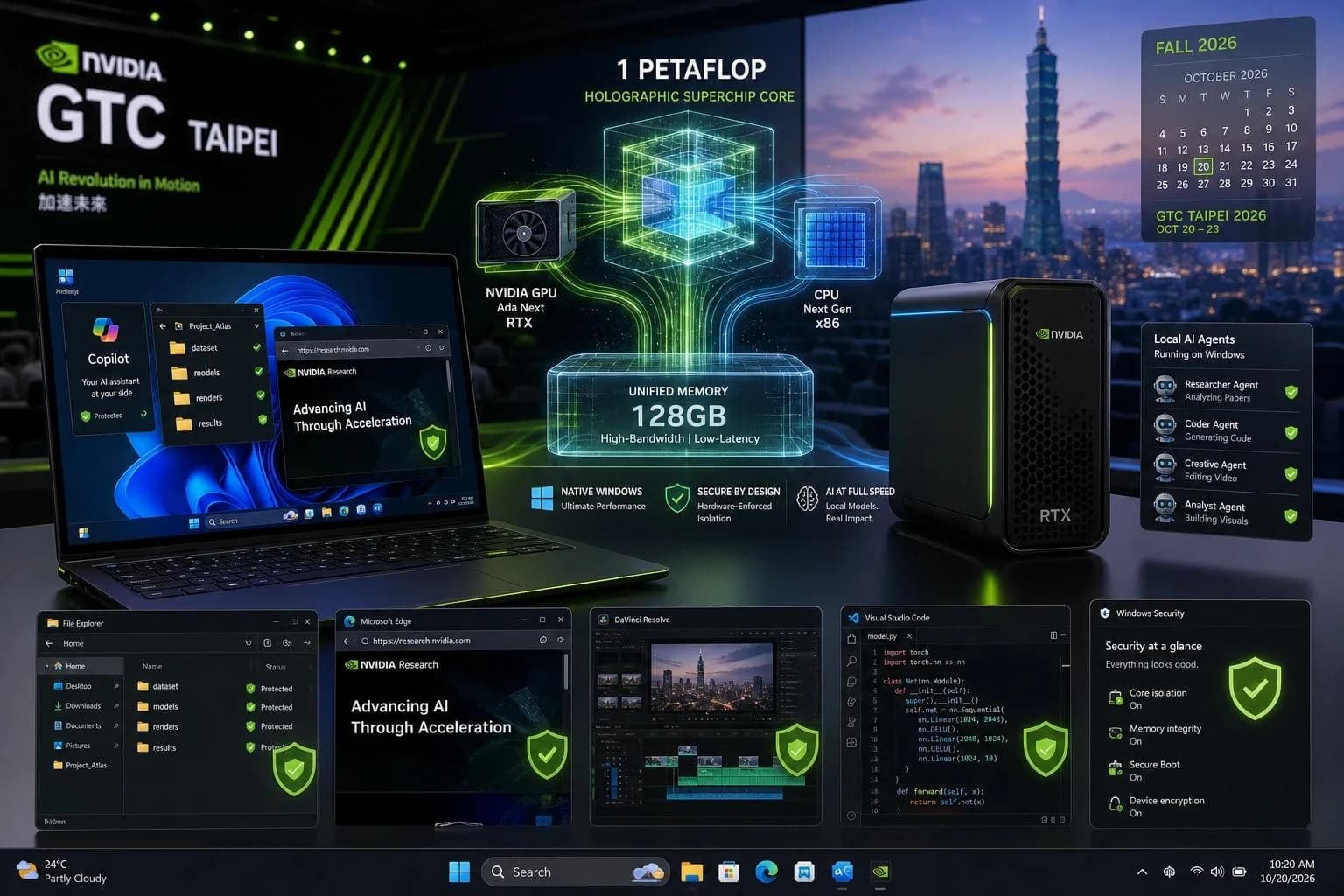 Related illustration — NVIDIA RTX Spark platform — Windows Forum
Announced: October 7, 2026
Microsoft unveiled a major update to Windows' AI architecture, combining local inference, cloud reasoning, and operating-system-enforced agent security.
One of the biggest technical announcements concerns MAI Code 1.1 Flash.
The model contains approximately 137 billion total parameters, with 6.8 billion active parameters. Microsoft says it has optimized the model using 3-bit quantization, reducing its size by nearly 80% while retaining a 256K-token local context window.
Microsoft also plans local support for additional models, including NVIDIA Nemotron variants and DeepSeek V4 Flash, on sufficiently capable hardware.
But the architectural development is arguably more important.
Microsoft Execution Containers (MXC) are now generally available on Windows 11.
MXC provides policy-driven isolation for autonomous agents. Rather than trusting an agent to follow instructions about which resources it should access, the operating system can enforce filesystem and network restrictions.
The intended architecture is:
AI agent → execution policy → isolated runtime → approved resources
Microsoft also introduced new NVIDIA RTX Spark-powered devices, including Surface Laptop Ultra, designed to run larger AI workloads locally.
Why it matters for developers
This combines two previously separate developments.
First, capable coding models can increasingly run without sending every operation to a cloud API.
Second, those models can operate inside enforceable security boundaries.
That creates an interesting architecture for coding agents:
Local model → isolated workspace → compiler/tests → cloud escalation when necessary.
For organizations handling proprietary repositories, the ability to keep source code and execution local while selectively using cloud reasoning could become a meaningful advantage.
Engineering takeaway: local inference is becoming a practical deployment option, but memory requirements, hardware costs, model quality, and isolation guarantees still need workload-specific evaluation.
GitHub makes local agent sandboxing generally available across Copilot
 Related illustration — Copilot local sandbox preview — AI Jitan Hub
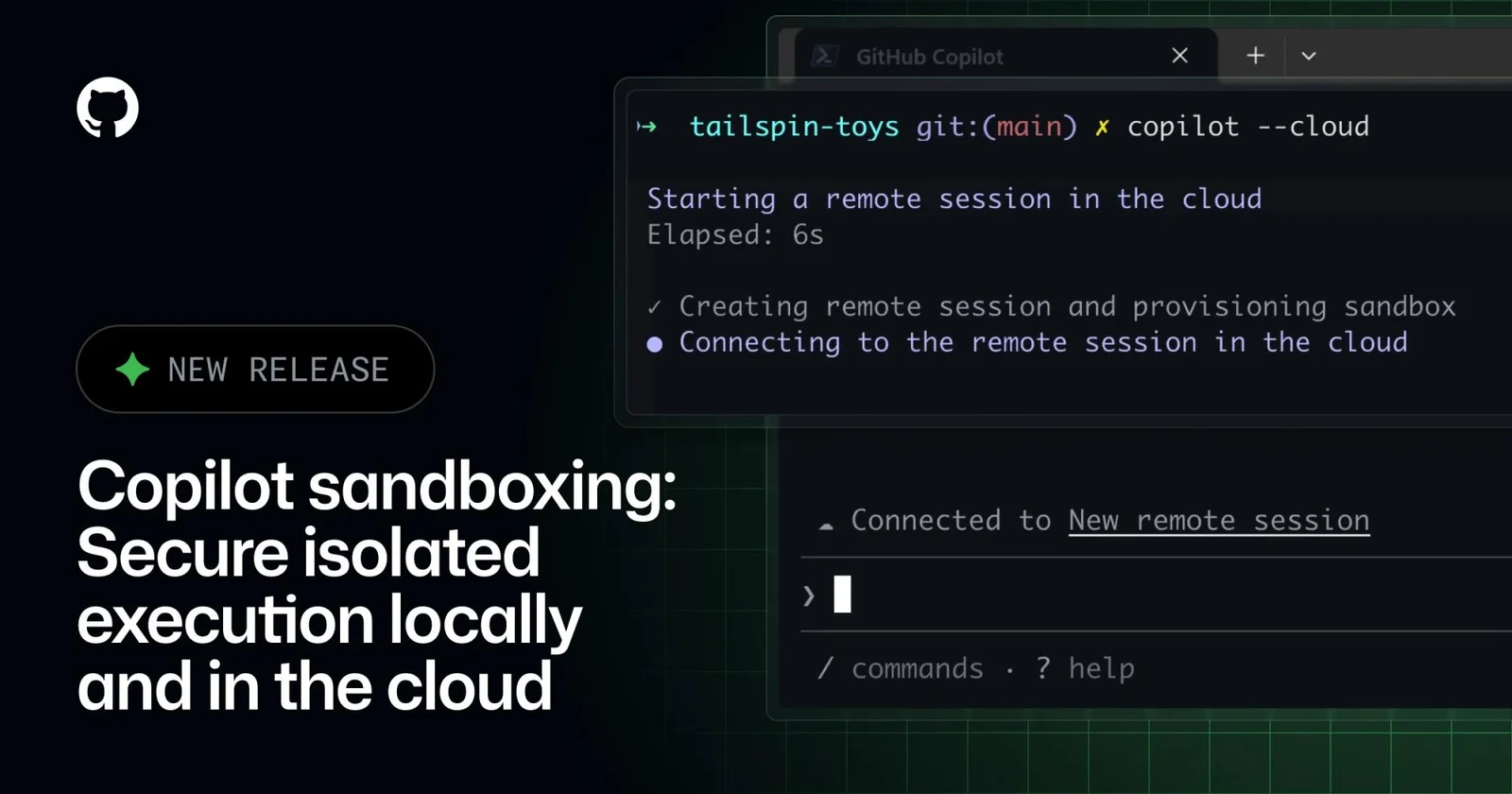 Related illustration — Copilot command execution and isolation — LinkLoot
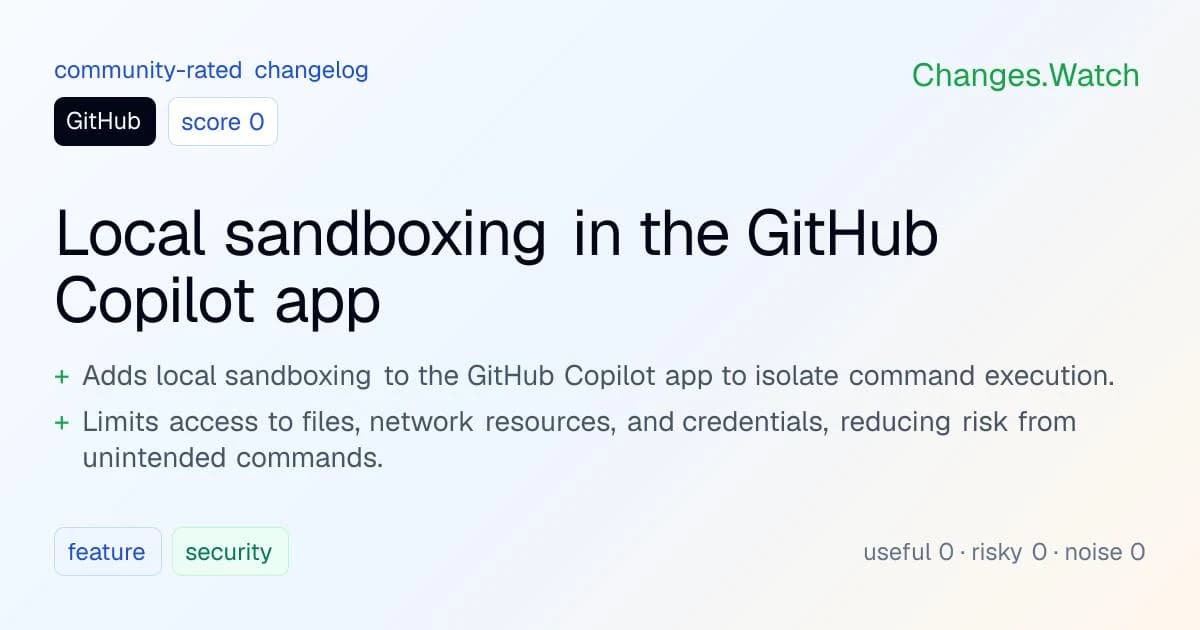 Related illustration — Copilot local sandboxing — Changes.Watch
Released: October 7, 2026
GitHub has shipped one of its most important agent-security updates.
Local sandboxing is now generally available in GitHub Copilot CLI, the Copilot desktop app, and VS Code sessions using Agent Host.
The system uses Microsoft Execution Containers, but exposes the capability directly inside developer workflows across Windows, macOS, and Linux.
Developers and organizations can restrict which directories an agent can read or modify, control internet and local-network access, limit access to Git credentials, and enforce organization-wide policies.
The crucial architectural distinction is that model execution and tool execution are separate security concerns.
A model can generate a command, but that doesn't mean the command should automatically inherit the developer's full operating-system permissions.
Instead:
agent proposes command → sandbox checks permissions → command executes or is blocked
GitHub also supports organization-managed policies that developers cannot weaken. Local sandboxing is included with Copilot at no additional charge.
Why it matters for developers
This addresses a fundamental weakness in autonomous coding systems.
Traditional coding assistants often execute commands in environments containing SSH keys, cloud credentials, private repositories, and access to production infrastructure.
Even a capable model can make mistakes or encounter malicious instructions inside repository files.
A properly enforced sandbox limits the damage those mistakes can cause.
Engineering takeaway: if you use autonomous coding agents, sandboxing should become a default execution boundary—not an optional precaution reserved for unfamiliar repositories.
For development teams, the next step is defining explicit permissions for filesystem access, network destinations, credentials, and privileged operations.
Google releases an official documentation API and MCP integration for coding agents
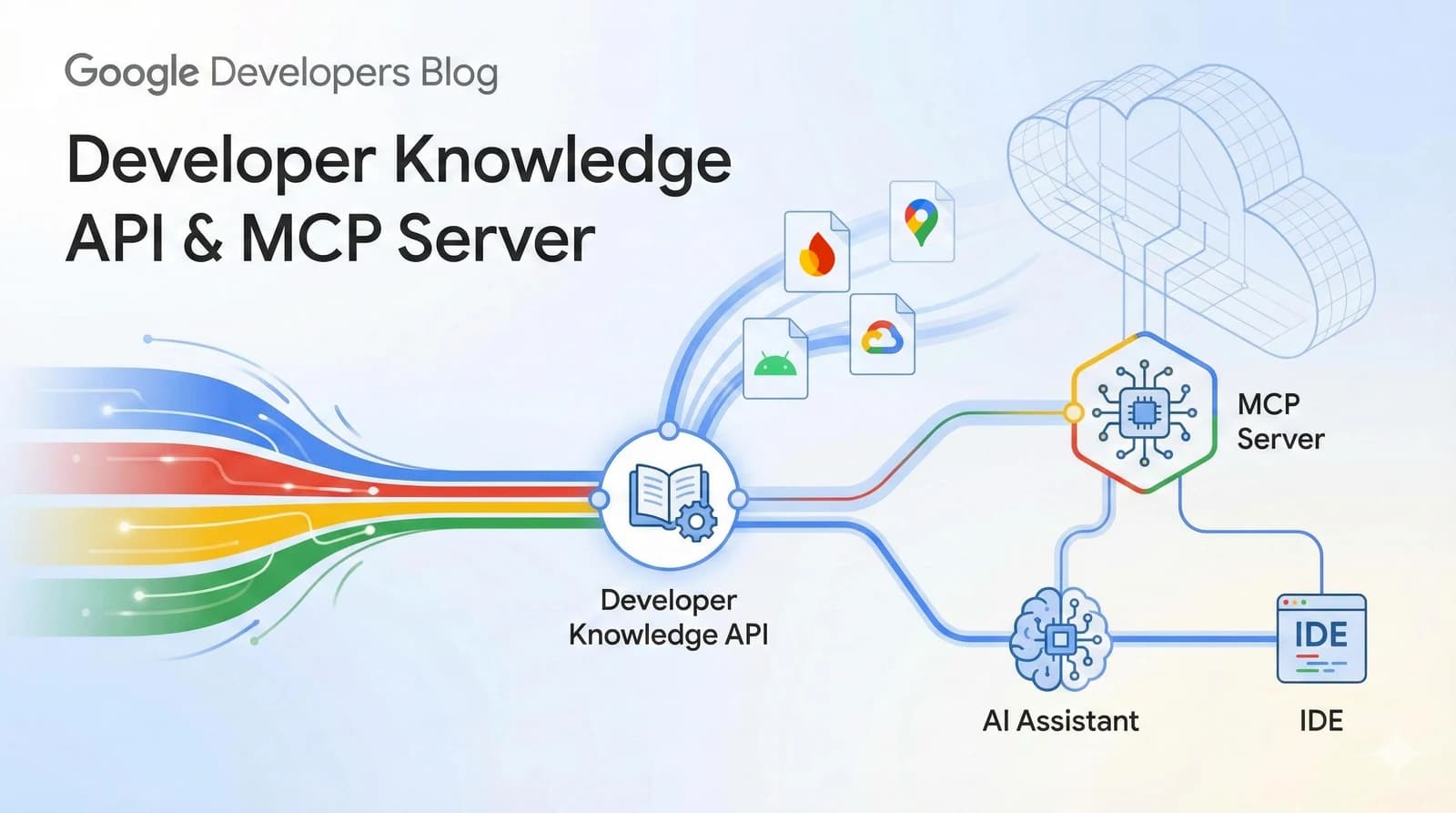
Announced: October 7, 2026
Google has expanded its Developer Knowledge API ecosystem, giving coding agents structured access to official documentation.
This is a practical improvement over relying on a model's training data or scraping documentation websites.
The API covers documentation across Google Cloud, Firebase, Android, and other Google developer products.
It supports semantic and keyword search, document retrieval, Markdown-formatted content, and grounded answers.
Google has also introduced integrations for the gcloud CLI, client libraries, and an official agent skill compatible with MCP-based workflows.
For example:
gcloud developer-knowledge answer-query \
  --query="How do Firestore transactions work?"
Developers can also install the agent skill:
npx skills add google/skills \
  --skill retrieving-developer-knowledge
The skill instructs coding agents to search relevant documentation chunks before retrieving complete pages, reducing unnecessary context consumption.
Google provides client libraries for languages including TypeScript, Java, Go, Python, and C#.
Why it matters for developers
This is a useful example of documentation becoming an API rather than merely a website.
An agent implementing an Android feature or configuring Google Cloud infrastructure can retrieve current specifications directly from an authoritative source.
The resulting workflow is:
coding agent → official documentation API → relevant specification → implementation → verification
That reduces dependence on outdated model knowledge and brittle web scraping.
Engineering takeaway: for coding agents working with rapidly changing frameworks, documentation retrieval should be treated as an explicit dependency. Grounding the agent in current API contracts is often more reliable than expanding its prompt with manually maintained instructions.
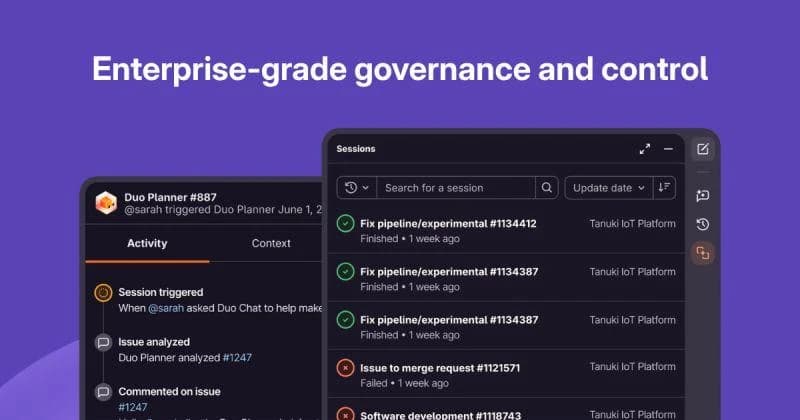
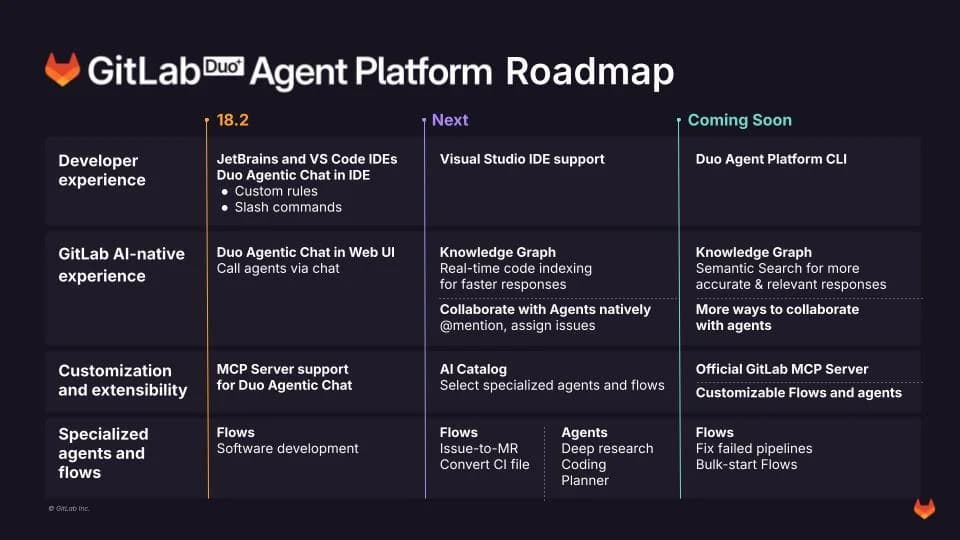
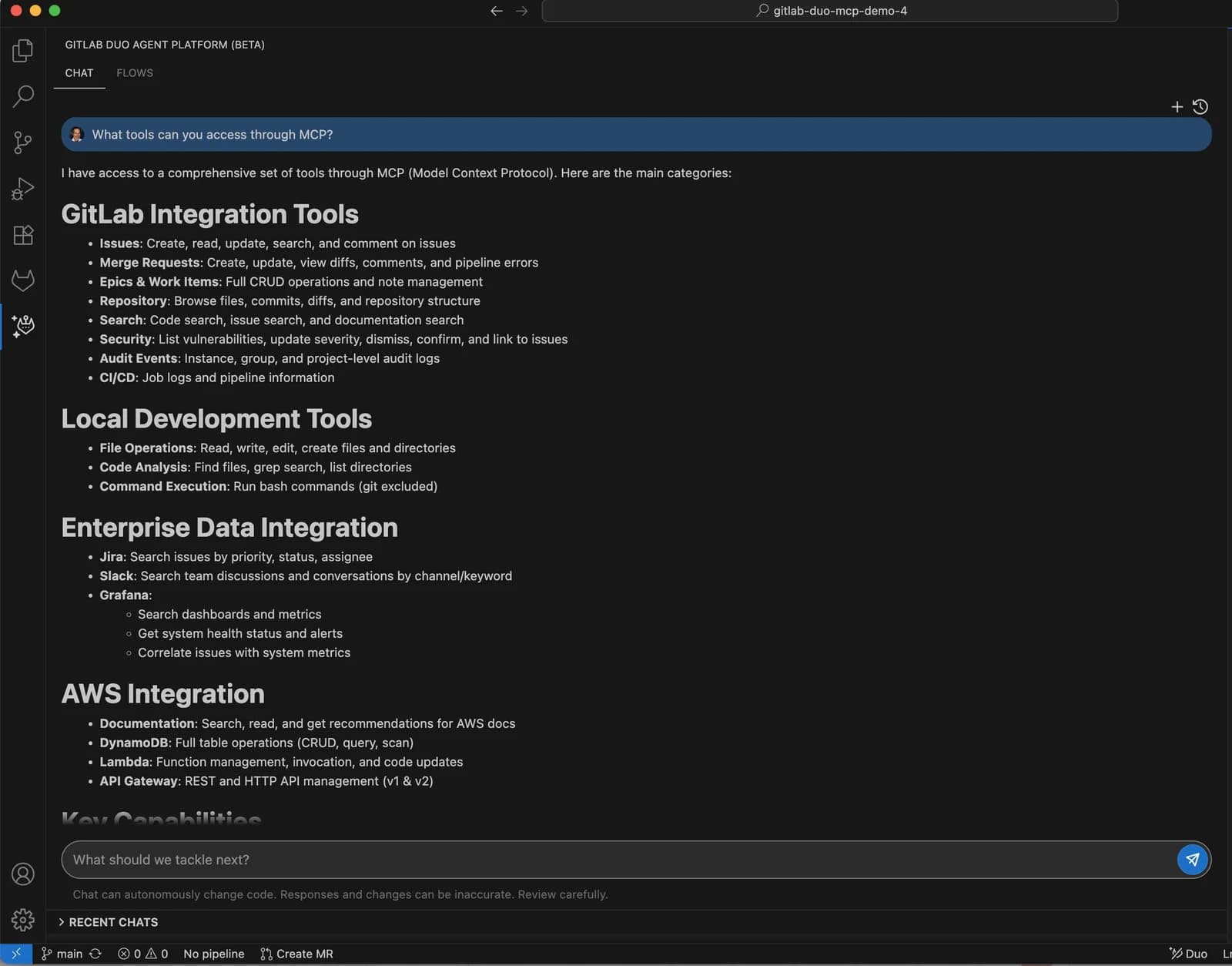
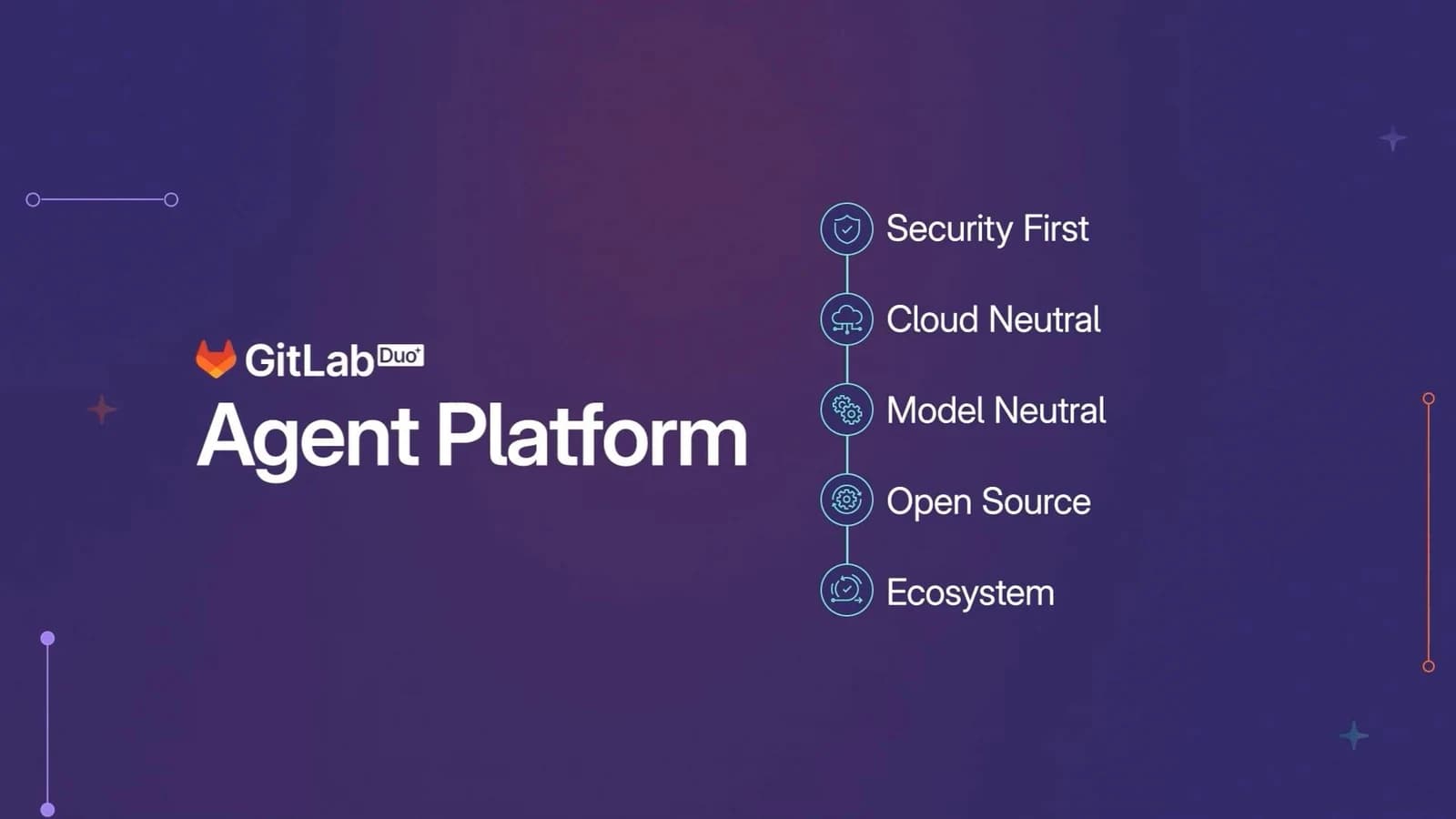
GitLab introduces a governed software factory for autonomous development
 Related illustration — GitLab Duo Agent Platform public beta — GitLab
 Related illustration — GitLab Duo governance — GitLab on LinkedIn
 Related illustration — GitLab Duo Agent Platform overview — GitLab
 Related illustration — Model Context Protocol integration — GitLab
 Related illustration — Agentic AI overview — GitLab
 Related illustration — GitLab platform overview — GitLab
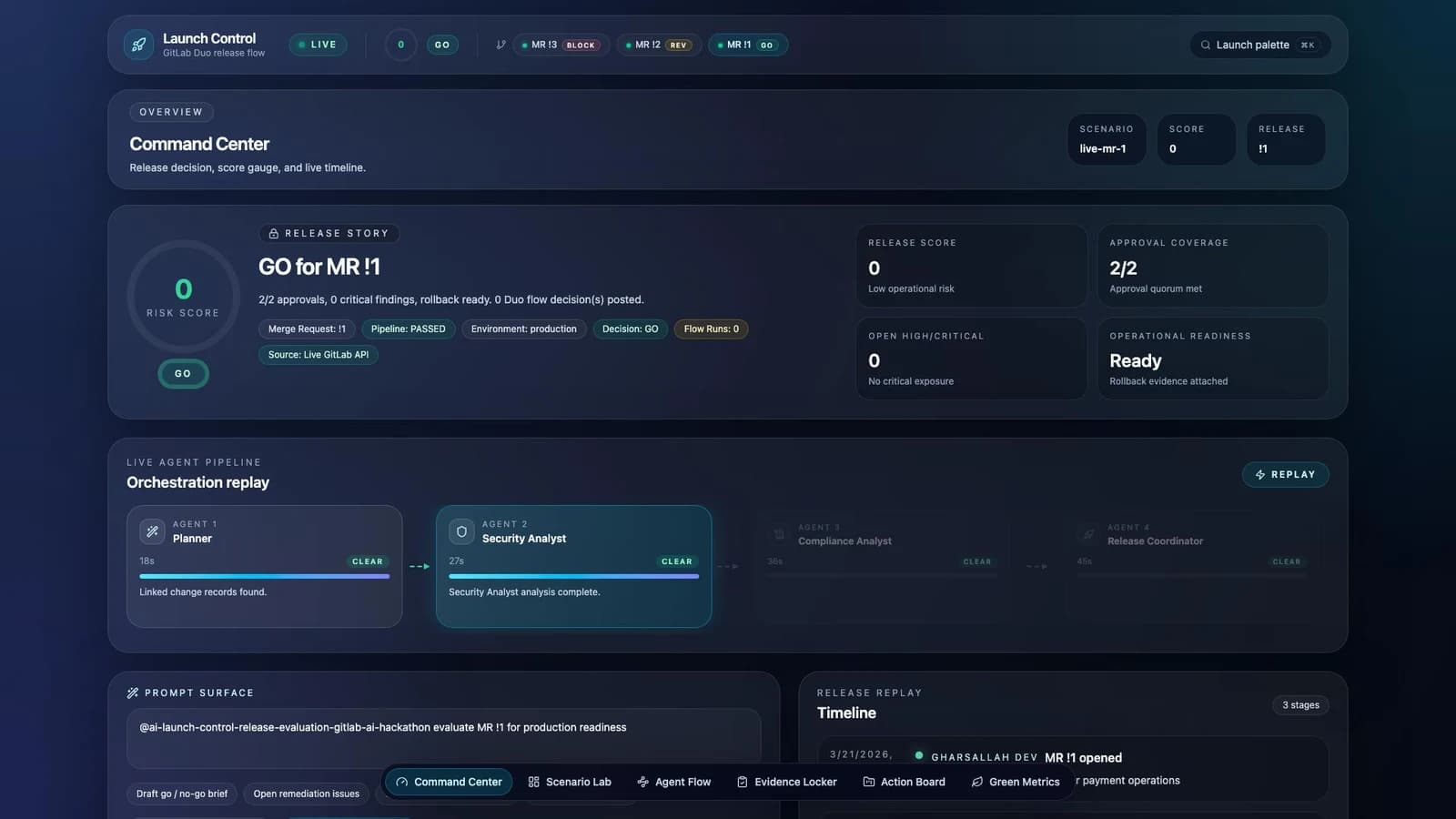 Related illustration — Launch Control project — Devpost
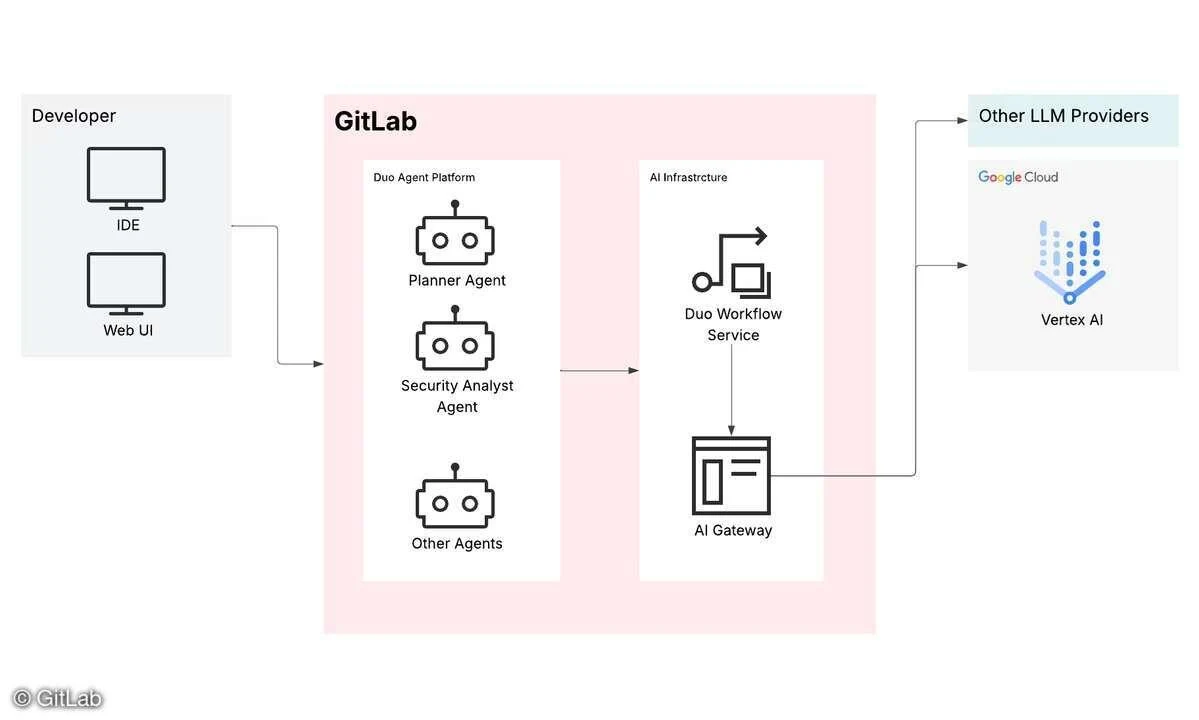 Related illustration — GitLab and Google Cloud AI agents — connect-professional
Announced: October 6, 2026
GitLab has announced a collection of capabilities intended to connect autonomous coding agents with the rest of the software delivery lifecycle.
The idea is that generating code is only one stage of shipping software.
A production-ready workflow must also manage dependencies, credentials, testing, approvals, security findings, artifacts, and deployment.
GitLab is attempting to bring those stages under a common governance and orchestration system.
Several components are particularly relevant.
GitLab Dependency Firewall, currently in early access, can warn about, block, or quarantine packages according to organizational policies covering vulnerabilities, malicious packages, licenses, and package age.
GitLab Secrets Manager centralizes build-time credentials, scopes them to individual jobs, and records access through audit logs. It is generally available on GitLab.com, with self-managed availability tied to version 19.5.
GitLab Artifact Central, currently in beta on GitLab.com, brings packages and container artifacts closer to source control and CI governance.
GitLab is also introducing AI-impact analytics that connect agent costs to teams, tasks, models, and engineering outcomes.
Why it matters for developers
The underlying problem is that coding agents can produce changes much faster than conventional software delivery processes can validate them.
An agent may generate a technically correct implementation while introducing an unsafe dependency, exposing credentials, or bypassing an architectural requirement.
GitLab's approach emphasizes a governed pipeline:
requirement → agent implementation → dependency checks → tests → security → approval → deployment
The most important idea is maintaining evidence of how a change moved from initial intent into production.
Engineering takeaway: as agent-generated changes increase, teams need stronger controls around dependency provenance, secrets, reproducible builds, and deployment authorization. Faster code generation only improves engineering productivity if the resulting software remains safe to ship.
The bigger picture
Today's engineering signal
These five announcements point toward a coherent architectural shift.
AI development is moving from model-centric systems toward governed execution environments.
Haiku 5.5 makes inexpensive specialized workers more practical. Microsoft brings powerful models and secure execution onto local hardware. GitHub makes sandboxing available directly inside coding workflows. Google provides machine-readable authoritative knowledge. GitLab is connecting autonomous development to software supply-chain governance.
The emerging architecture is:
Reasoning model → specialized workers → trusted knowledge → permission-controlled execution → deterministic verification → governed delivery.
For a full-stack developer, the most immediately actionable developments are Claude Haiku 5.5's new pricing, Copilot's local sandboxing, and Google's documentation integration.
They are concrete capabilities available now, rather than distant promises about autonomous software engineering.
These briefings combine summaries of linked primary sources with engineering commentary by Emran Hejazi. Source links accompany each story so you can examine the original announcements and their claims.
Every new issue, in your feed reader.
Explore the architecture and engineering decisions behind my projects.