Today's briefing covers five verified developments from October 6–10, prioritizing releases not covered in your previous briefings.
The biggest developments: OpenAI is changing how AI generates user interfaces, GitHub has made stacked pull requests generally available, and a new CodeQL release brings important security-analysis improvements alongside a macOS compatibility warning.
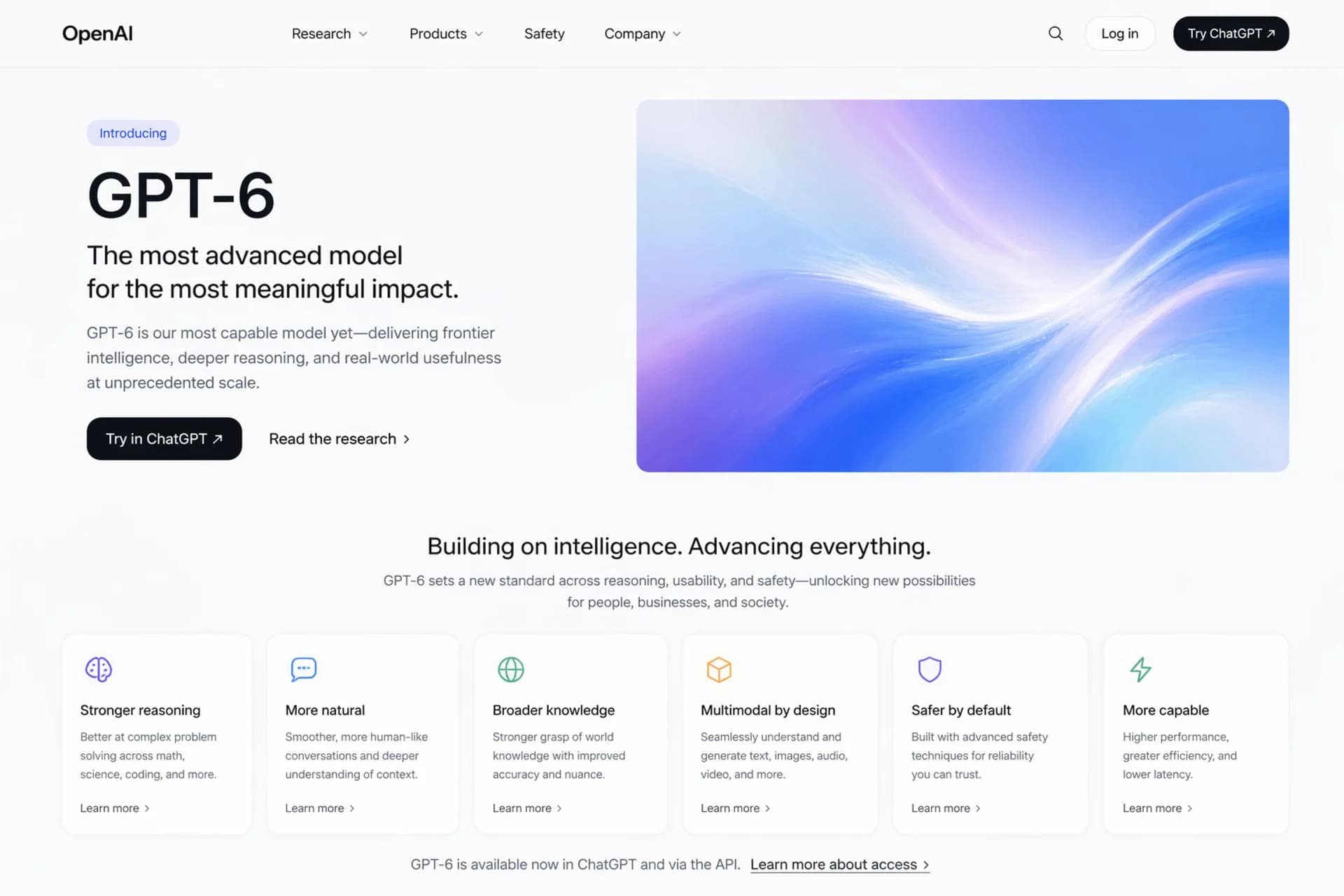
GPT-6 introduces Intelligent UI — AI can now compose interactive interfaces as it responds
Released: October 7, 2026
OpenAI has introduced Intelligent UI, a significant change to how GPT-6 presents information inside ChatGPT.
Instead of limiting responses to text, the model can assemble interactive interfaces containing charts, forms, buttons, diagrams, and task-specific tools.
The most interesting part is the underlying architecture.
OpenAI developed a library of native, streamable UI components alongside a compiler that processes interface structures as the model generates them.
This allows interfaces to appear progressively rather than waiting for the complete response. The model also decides when an interactive component would be useful and when ordinary text is sufficient.
OpenAI reports that GPT-6 Instant begins answering web-search questions 44% sooner on average than GPT-5.6 Instant, based on internal evaluations.
The release is rolling out across ChatGPT subscription tiers. It does not change the models powering Codex or Work.
Why it matters for developers
This points toward a different application architecture.
Traditionally, developers define interfaces ahead of time:
Data → Application Logic → Predefined UI
Intelligent UI suggests another approach:
User Intent → AI Reasoning → Component Selection → Generated Interface
The distinction is important: this is not necessarily arbitrary HTML generation. OpenAI describes a constrained component library and compiler.
That provides a potentially stronger foundation for runtime-generated interfaces than allowing a model to produce unrestricted frontend code.
Engineering takeaway: developers building AI-native applications should investigate structured UI generation, component schemas, and progressive rendering. The important challenge is making generated interfaces predictable, accessible, secure, and consistent with an application's design system.
GitHub makes stacked pull requests generally available — with measurable improvements to code delivery
 Related illustration — Stacked PRs in the GitHub UI | GitHub Stacked PRs
 Related illustration — Overview | GitHub Stacked PRs
 Related illustration — Stacked PRs in the GitHub UI | GitHub Stacked PRs
Released: October 6, 2026
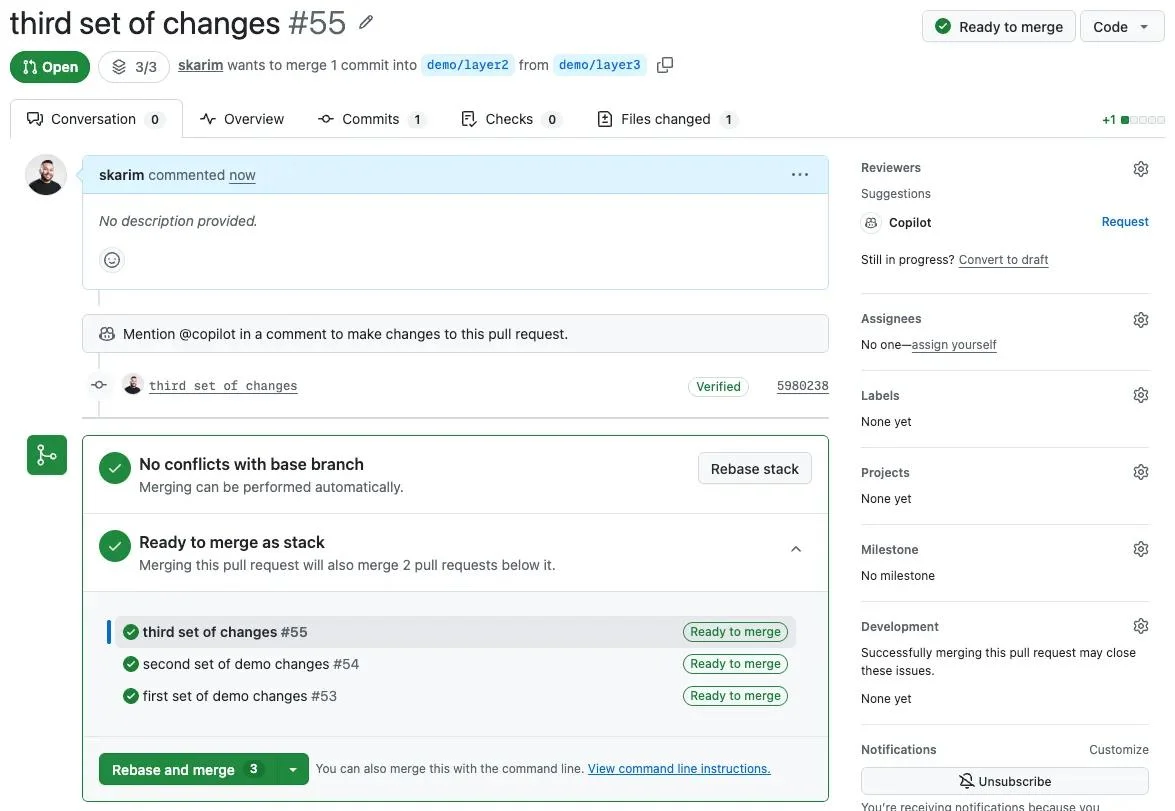
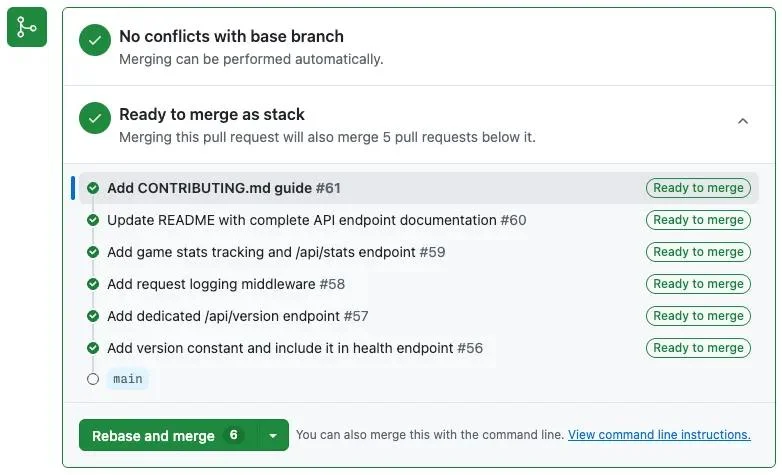
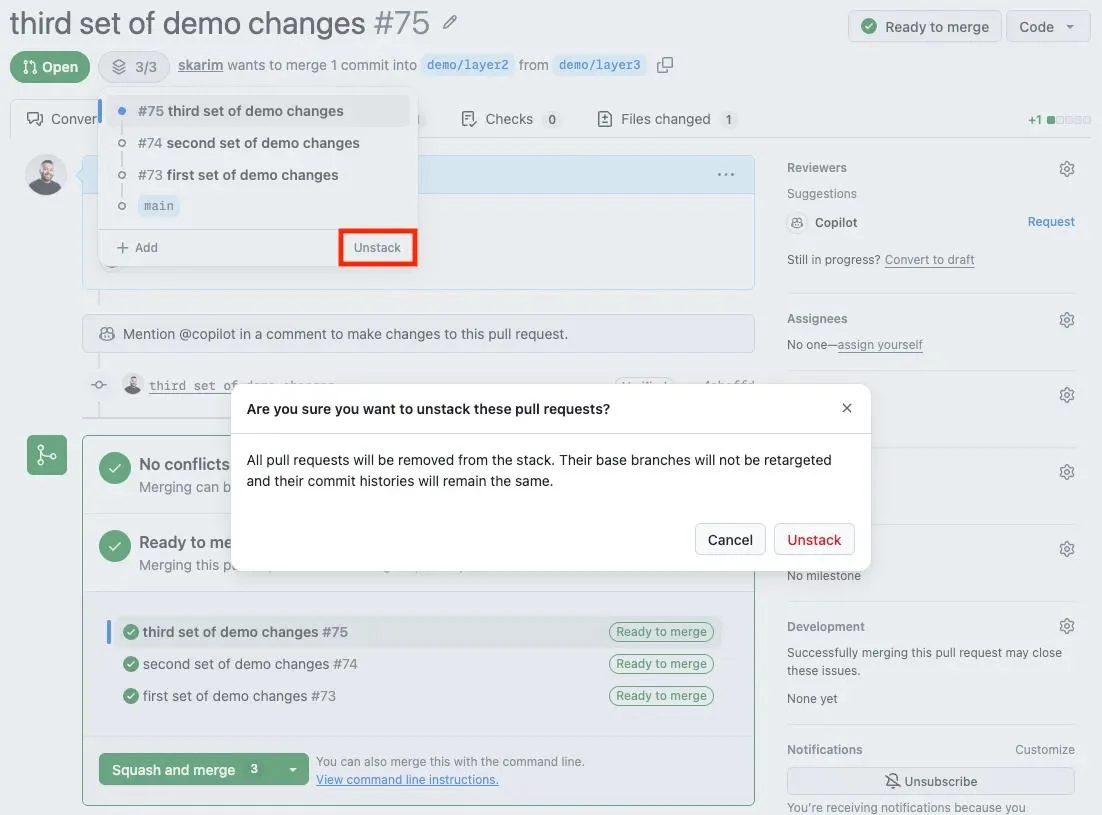
GitHub has made stacked pull requests generally available, bringing a workflow previously associated with specialized tools directly into GitHub.
A stacked pull request is one part of a larger change, built on top of another pull request.
Instead of submitting a massive implementation containing architecture changes, database migrations, API modifications, and frontend code, developers can divide the work into independently reviewable layers.
For example:
PR #101 — Database schema
    ↓
PR #102 — Repository layer
    ↓
PR #103 — API implementation
    ↓
PR #104 — Frontend integration
Each pull request can be reviewed separately while preserving its dependencies.
The general-availability release introduces several important improvements.
Approvals can survive rebases when the reviewed code hasn't changed. Rebased commits retain signatures and authorship. Entire stacks can enter merge queues as a single merge group, while partial merges automatically update dependent branches.
The gh stack CLI extension also supports Git worktrees and agent-oriented workflows.
The performance numbers
GitHub reports that repositories adopting stacked pull requests experienced a 9% increase in merged code compared with peer repositories.
Among the top 1% of repositories, more than two-thirds now use stacked PRs, with a reported 5% improvement in time-to-merge.
These are observational figures from GitHub, not proof that stacked PRs alone caused the improvements.
Why it matters for developers
This becomes especially valuable when working with coding agents.
An agent might implement an entire feature quickly, but reviewing a 3,000-line pull request remains difficult.
Stacked PRs allow the implementation to be divided into smaller, logically connected changes.
Engineering takeaway: consider stacked pull requests for substantial backend and full-stack features. They make architectural decisions easier to review independently and can reduce the risk of large, difficult-to-verify merges.
CodeQL 2.27.2 improves security analysis — but introduces an important macOS compatibility warning
Released: October 9, 2026
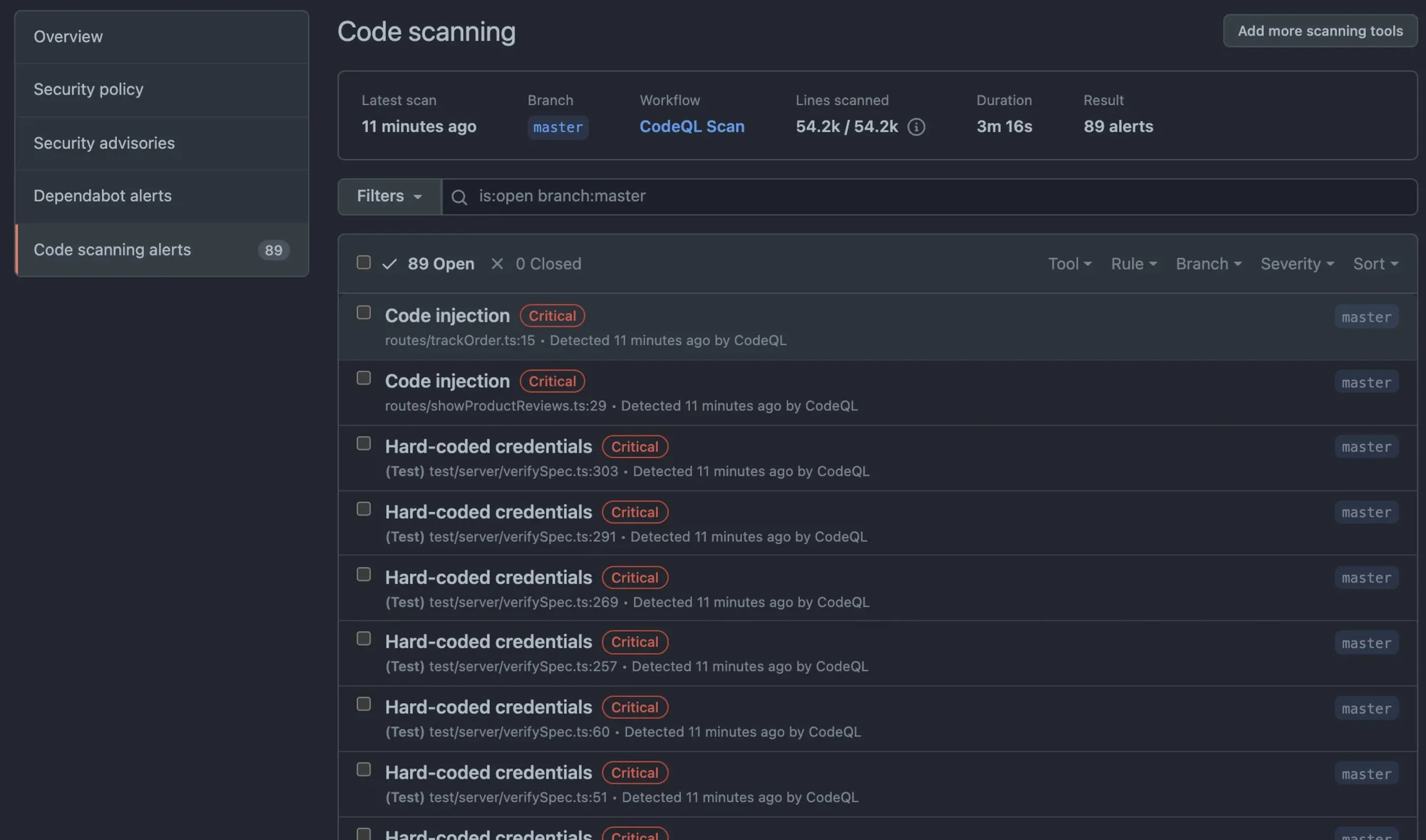
GitHub has released CodeQL 2.27.2, expanding the static-analysis engine used by GitHub code scanning.
The release introduces improvements across C++, Go, Rust, JavaScript, and TypeScript.
The most interesting changes concern data-flow analysis.
CodeQL doesn't simply search for suspicious strings. It constructs representations of programs and follows how data moves between sources, transformations, and security-sensitive operations.
For example:
Untrusted Request → Transformation → Database Query
The analyzer attempts to determine whether attacker-controlled input can reach a dangerous operation without appropriate validation.
The new release improves that reasoning in several areas.
For JavaScript and TypeScript, CodeQL now recognizes "use workflow" and "use step" directives from the Workflow SDK. It also improves request-input tracking through custom Hapi route-registration helpers and higher-order functions.
For Rust, it improves data-flow modeling through asynchronous blocks and adds summaries for TLS libraries.
For C++, it introduces ECMAScript-style regular-expression parsing for std::regex and additional SQL-injection models.
An important compatibility change
There is also a significant limitation for developers using Apple platforms.
CodeQL's autobuild and manual build modes for compiled languages are no longer supported with macOS 27 and Xcode 27, because Apple stopped shipping certain multi-architecture binaries required for traced analysis.
The same restriction applies when Xcode 27 is selected on macOS 26.
GitHub recommends using macOS 26 with Xcode 26 or earlier for those build modes while it works on alternatives.
Why it matters for developers
Security scanners need to understand modern language features and framework abstractions.
A scanner that cannot correctly trace input through asynchronous operations, middleware, or higher-order functions may miss vulnerabilities even when its security rules are otherwise correct.
Engineering takeaway: keep CodeQL analysis updated, but verify CI compatibility before upgrading macOS or Xcode runner images. For applications with complex request pipelines, improved data-flow analysis can be more valuable than simply adding more security rules.
Google launches Playground — AI-generated games are moving toward professional development environments
Released: October 7, 2026
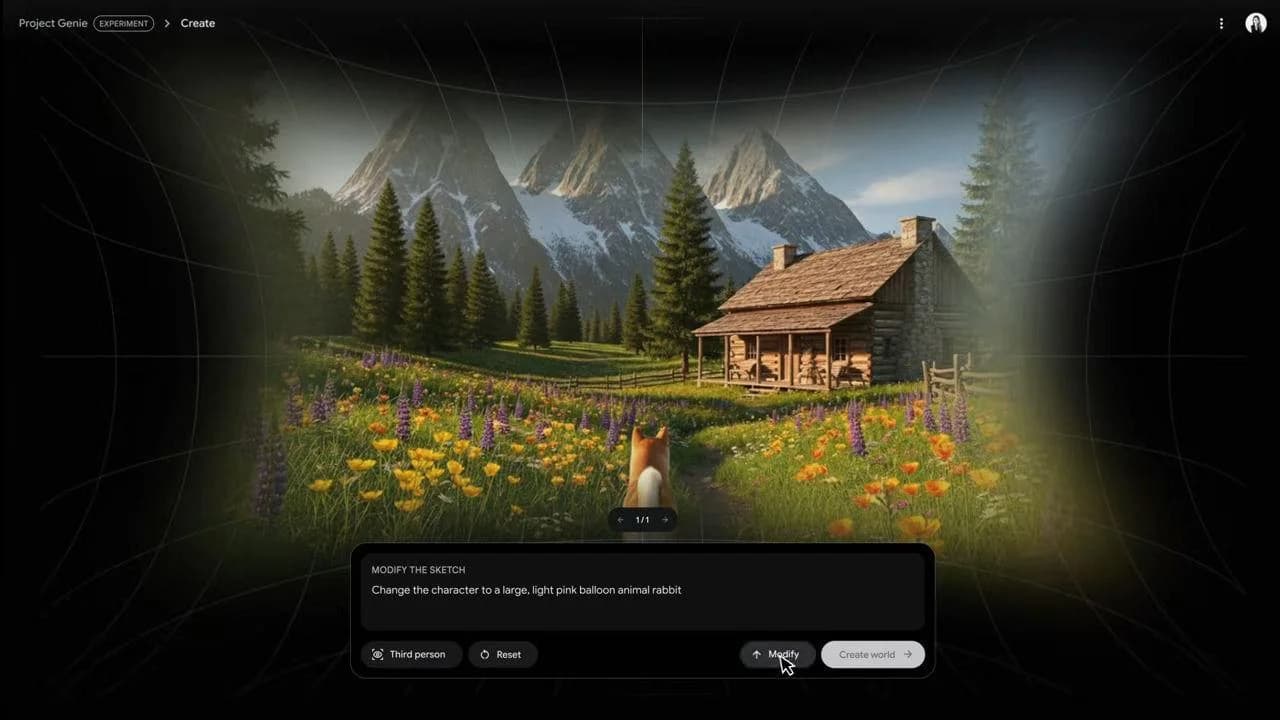
Google has launched Playground, an experimental platform that allows users to create playable games through natural-language instructions.
Unlike a conventional AI code generator, Playground provides an integrated creation and execution environment.
Users can describe a game, immediately test it, and continue modifying its behavior conversationally.
Instructions can affect gameplay rules, physics, characters, and environments.
The resulting games can be shared through links or published to a community gallery. Certain genres support multiplayer and leaderboards.
The more interesting development: Unity Spark
Google is also working with Unity on Unity Spark, a more advanced AI-assisted game development environment.
Unity Spark is intended to support professional-level mechanics, higher-fidelity 3D environments, and the Unity runtime.
The integration is still being tested, with a closed beta planned. Playground itself is currently available to eligible users aged 18 and older in the United States.
Why it matters for developers
This is another example of AI moving beyond generating source code toward manipulating executable software.
A game-development agent must reason about more than syntax.
It needs to understand how changes affect game state, interactions, rendering, physics, and the player's experience.
That suggests a workflow involving:
Natural Language → Game Generation → Runtime Execution → User Feedback → Iteration
The technical challenge is ensuring that changes remain coherent as a project becomes more complex.
Engineering takeaway: watch the convergence of generative models and domain-specific execution environments. AI becomes considerably more useful when it can directly test and observe the software it creates rather than relying exclusively on static code analysis.
GitHub Copilot for JetBrains adds enterprise model controls and more explicit MCP management
 Related illustration — GitHub Copilot Agent in JetBrains AI Assistant: Setup and Review Notes | LinkLoot
 Related illustration — GitHub Copilot | AI Assistant Documentation
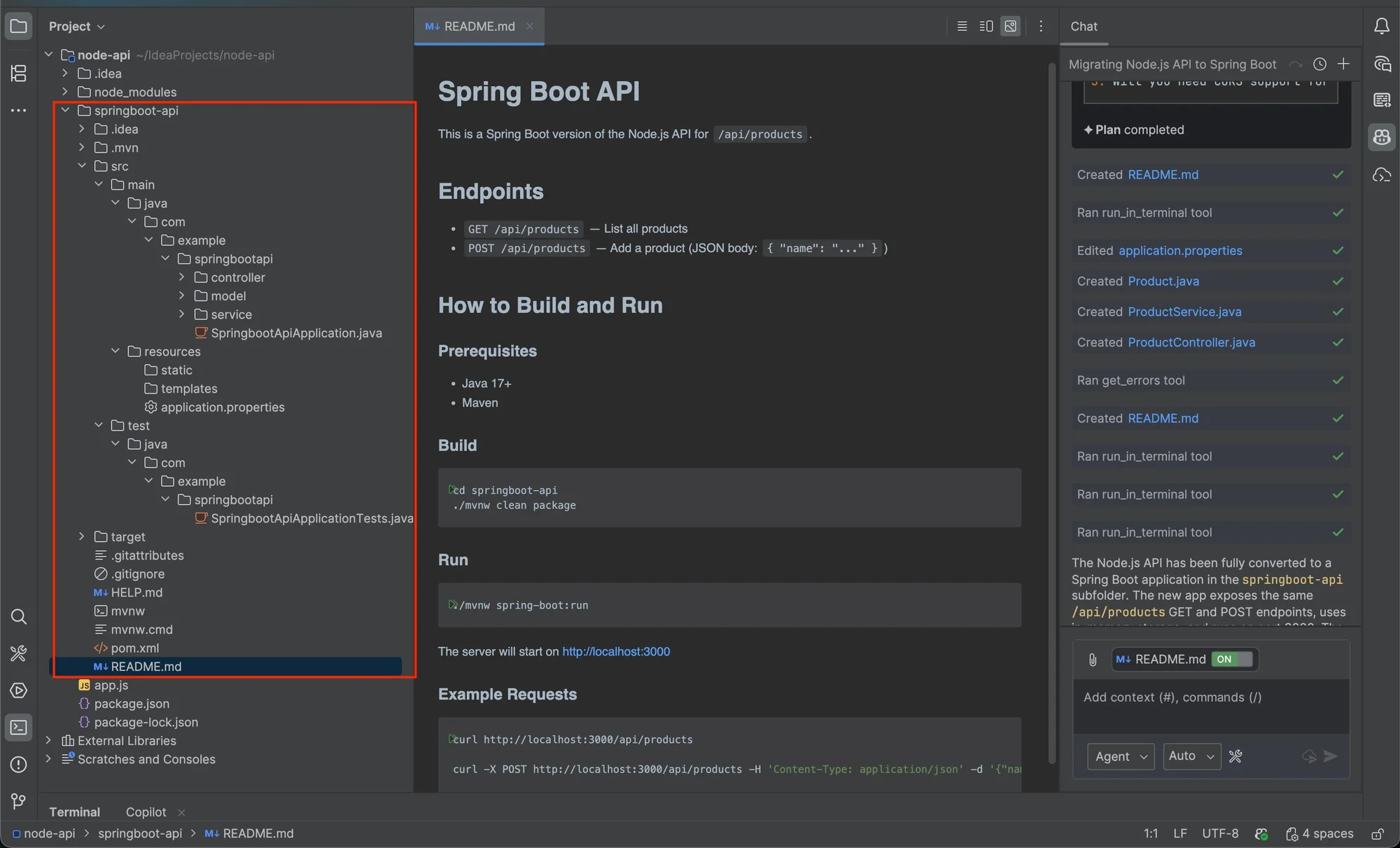 Related illustration — GitHub Copilot Agent Mode — One Line. Insane Results. | by Nagesh Chauhan | Medium
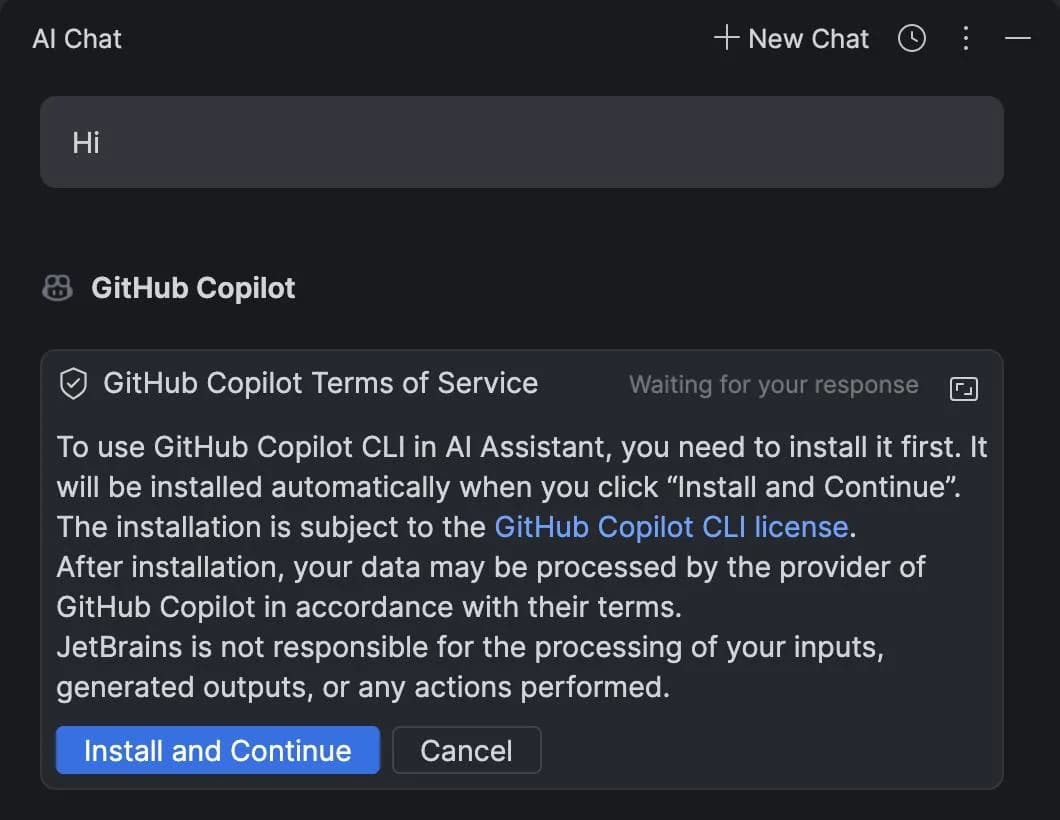 Related illustration — Activate agents | AI Assistant Documentation
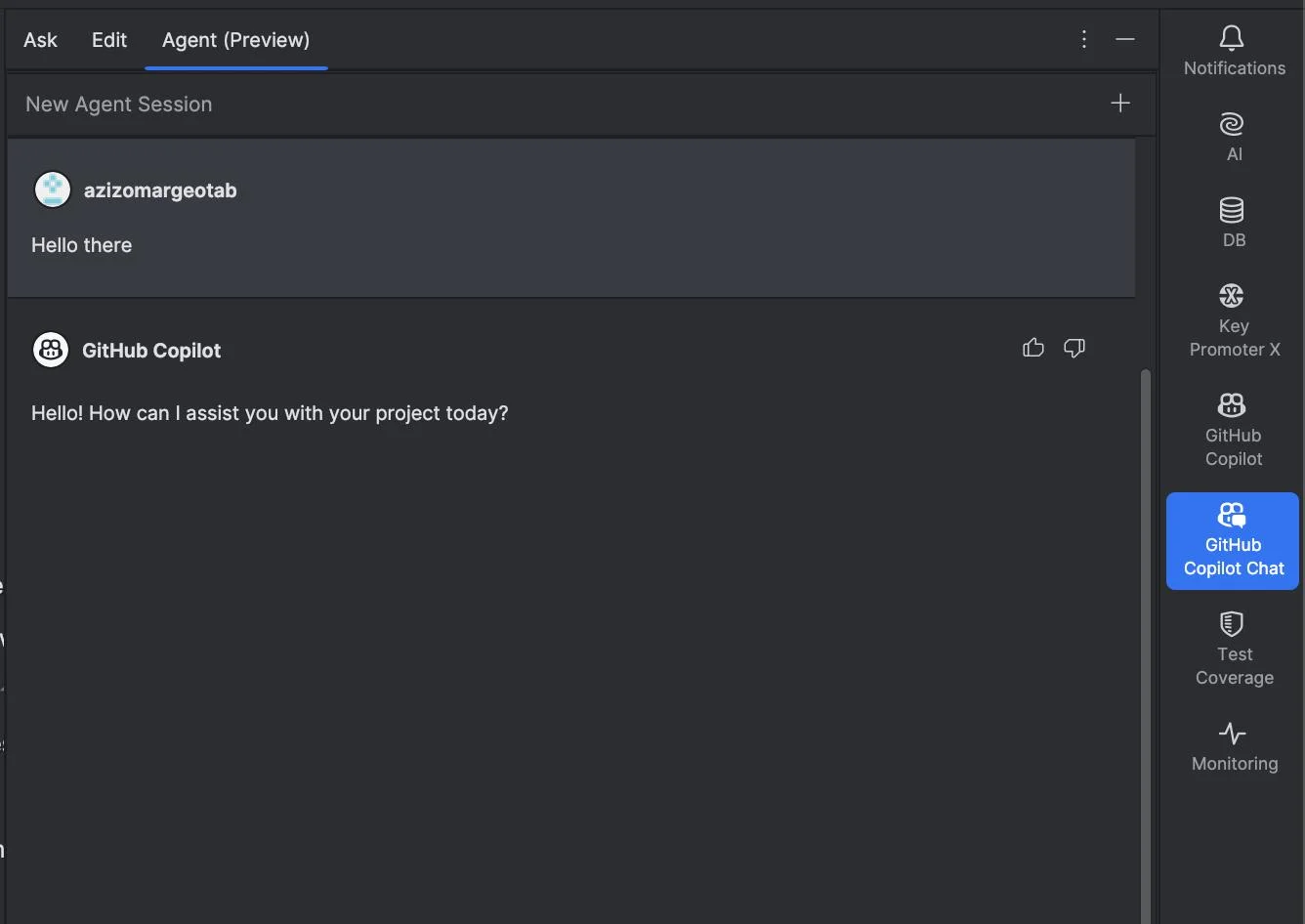 Related illustration — Why MCP ? Guide in JetBrains Rider | by Aziz Omar | Medium
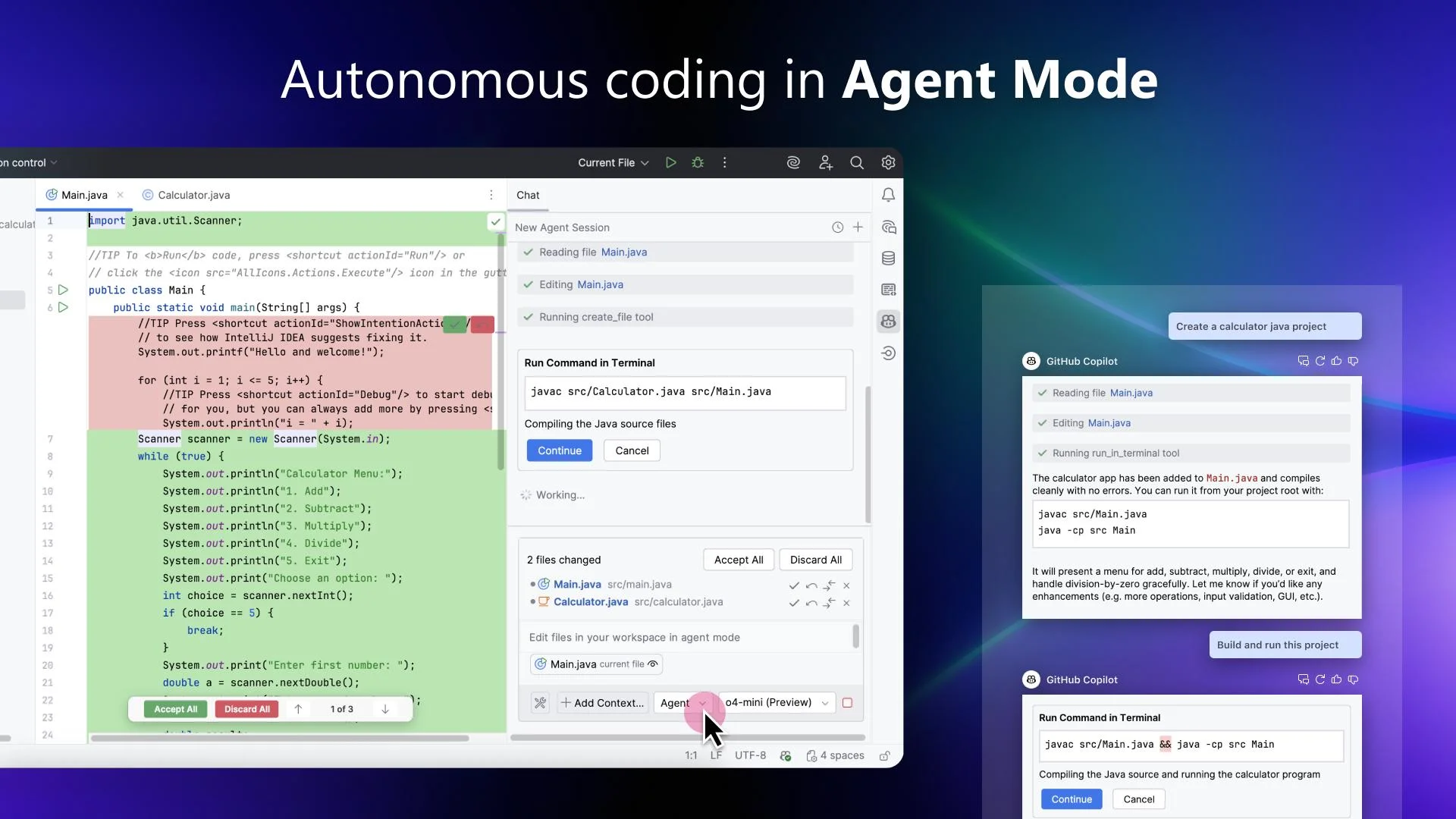 Related illustration — GitHub Copilot - Your AI Pair Programmer - IntelliJ IDEs Plugin | Marketplace
Released: October 10, 2026
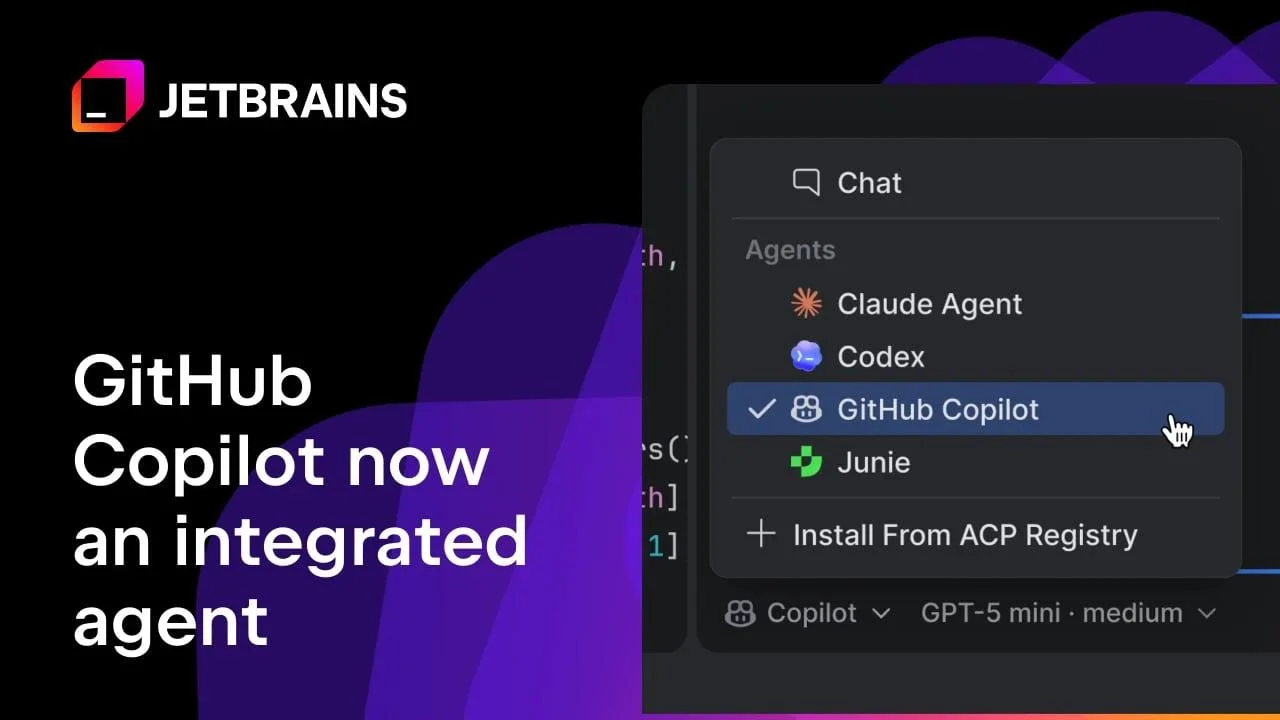
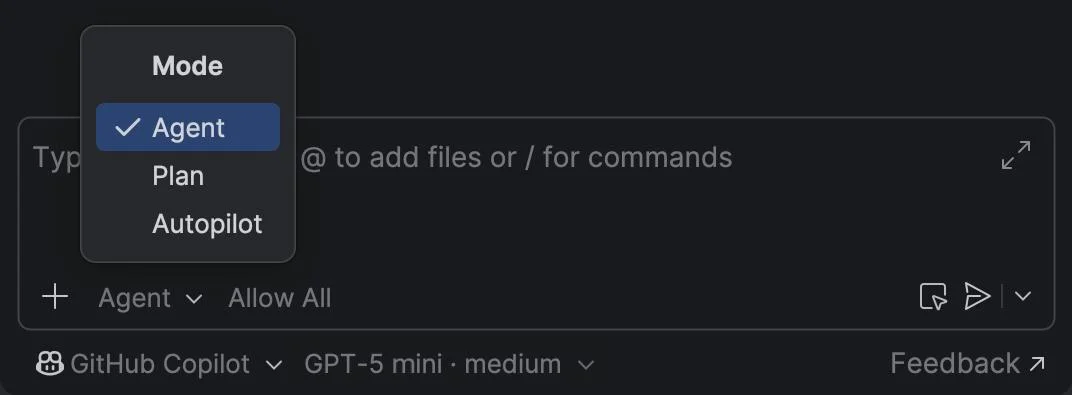
GitHub released an update to Copilot for JetBrains yesterday, adding more control over how coding agents operate inside IDEs.
Three changes are particularly relevant.
Enterprise-managed default models: Administrators can configure which available model becomes the default for new agent conversations. Developers can still explicitly select another model where permitted.
Diagnostic-driven fixes: IDE diagnostic menus now include a Fix action that opens Copilot inline chat and asks it to repair the problem. Agent mode is used when available, with ask mode as a fallback.
MCP server startup controls: Developers can disable automatic MCP server startup for Copilot and Claude, giving them more explicit control over when configured external tools become active.
The update also improves reliability across agent sessions, file changes, customizations, worktrees, and model switching.
GitHub has additionally ended support for JetBrains IDE 2025.1; version 2025.2 or later is now required.
Why it matters for developers
The MCP change is particularly important.
An MCP server can expose powerful capabilities, including filesystem operations, external APIs, databases, and development tools.
Automatically starting every configured server can unnecessarily expand an agent's available capabilities.
More explicit startup controls support a cleaner separation between tools that are installed and tools that are currently active.
Engineering takeaway: treat coding-agent tool configuration as part of your development environment's security model. Only activate tools required for the current task, and avoid granting broad capabilities simply because an integration is available.
The bigger picture
The strongest theme across these releases is the convergence of AI-generated software and conventional engineering controls.
OpenAI is demonstrating how models can generate interfaces dynamically. Google is extending natural-language generation into executable games. GitHub is improving the mechanisms developers use to review, secure, and manage increasingly automated software development.
Three practical priorities stand out:
Interface architecture: Investigate structured component generation and runtime UI composition rather than unrestricted AI-generated frontend code.
Review architecture: Break large implementations into smaller changes with explicit dependencies, particularly when coding agents are involved.
Execution security: Keep security analysis current and make agent tool permissions explicit.
The most actionable release today is GitHub's stacked pull requests. It's immediately relevant to everyday software engineering and addresses a growing problem: AI can generate changes faster than developers can reliably review them.
The broader lesson is that faster code generation only becomes meaningful productivity when the surrounding systems make that code easier to understand, verify, and safely deliver.
These briefings combine summaries of linked primary sources with engineering commentary by Emran Hejazi. Source links accompany each story so you can examine the original announcements and their claims.
Every new issue, in your feed reader.
Explore the architecture and engineering decisions behind my projects.